






The World’s Biggest Block Party
Forget exclusive VIP boxes and sky-high ticket prices for a moment. The soul of the World Cup lives in the streets, city squares, and sprawling fan festivals that are often free and open to everyone. Cities across the U.S., from New York to Kansas City,
have transformed parks and public spaces into massive outdoor living rooms where thousands gather to watch matches on giant screens. It’s a global potluck of passion, where you’ll see fans from Argentina, Japan, and Morocco celebrating together. This atmosphere isn’t just for the die-hards; it’s a welcoming space for casual viewers, families, and anyone curious to taste the global spectacle. In an era of increasing digital isolation, the World Cup’s public gatherings are a powerful reminder of how sports can create genuine, in-person community on a massive scale.
A Symphony of Sights and Sounds
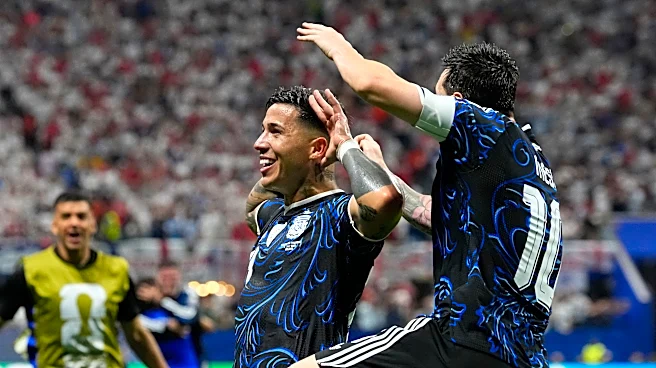
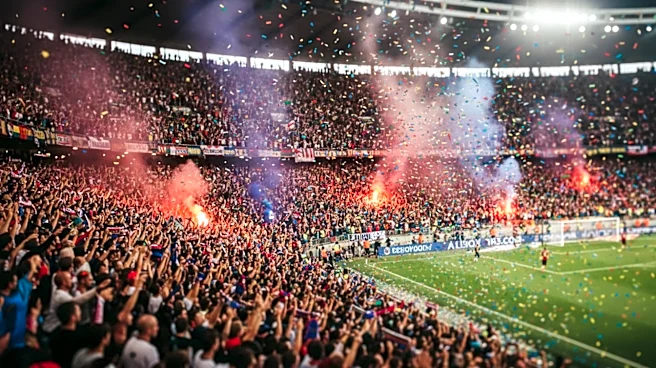
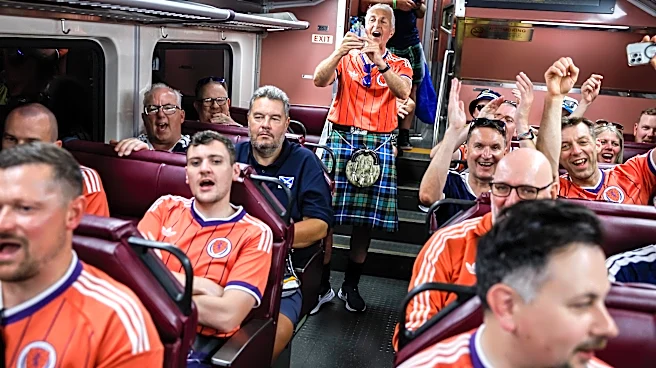
American sports have their passionate followers, but World Cup fandom operates on a different sensory level. It's a visual and auditory feast. Each nation brings its own unique traditions to the stands, from the coordinated, stadium-sized art displays known as "tifos" to the nonstop singing that provides a 90-minute soundtrack to the drama on the field. You have the thunderous, synchronized "Viking Clap" from Icelandic supporters, the carnival-like atmosphere of the Brazilian contingent, and the famously respectful Japanese fans who clean the stadium after every match. These rituals aren't corporate-sponsored jumbotron prompts; they are organic, fan-driven expressions of identity and support that have been passed down through generations. This raw, unfiltered passion is a spectacle in itself, turning every match into a cultural event.
An Expression of National Identity
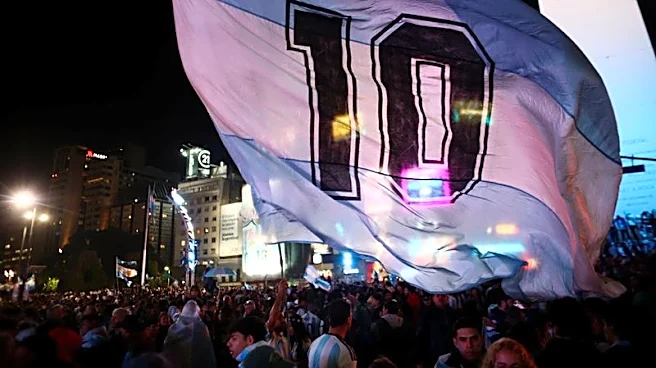
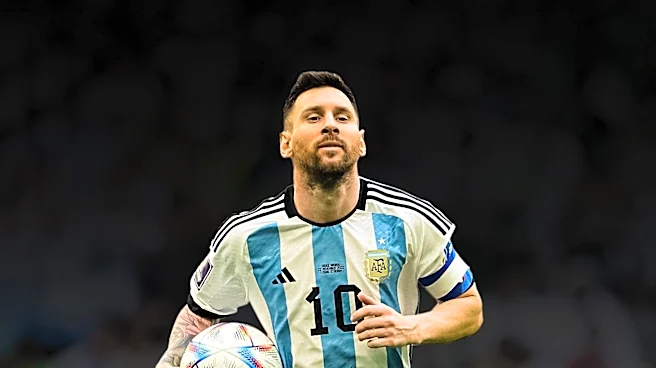
The World Cup is one of the few remaining arenas where unabashed national pride is celebrated on a global stage. It's a time when people connect with their heritage in a powerful, public way. In a melting pot like the United States, the tournament allows diaspora communities to come alive. A first-generation Mexican-American might buy his first national team jersey, while someone in Atlanta whose family is from Liberia feels a sense of connection seeing their country's colors in a crowd, even if the team isn’t playing. These matches are more than just games; they become a focal point for identity, history, and a shared sense of belonging that transcends borders. The teams themselves often reflect this complex modern identity, with players from diverse immigrant backgrounds representing their nations.
Everyone Loves an Underdog Story
The tournament’s structure is tailor-made for compelling narratives that capture the imagination of even the most neutral observer. Unlike the closed systems of some American pro sports leagues, the World Cup is a stage where a small nation can humble a global superpower. These Cinderella stories are a core part of the event's appeal. When a team like Morocco makes a historic run, they don’t just have their own country behind them; they capture the hearts of millions of neutrals worldwide. This shared hope for the underdog creates a global sense of community, where people from different cultures find themselves rooting for the same unlikely hero. The expanded 48-team format for the 2026 tournament only increases the chances for these dramatic, bracket-busting tales that make the event so unpredictable and exciting.