





The Sonic Ecosystem of Suspense
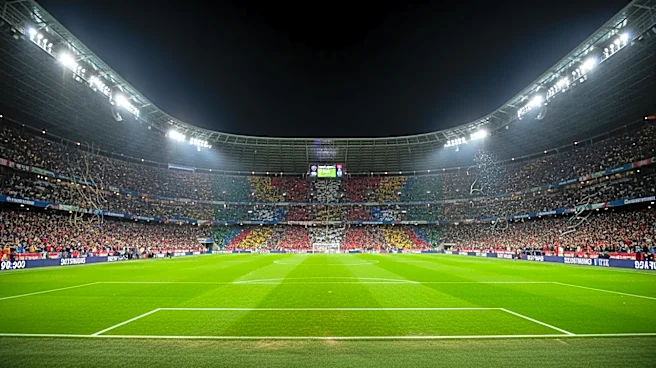
In a packed stadium, silence is as powerful as the roar. A scoreless match isn't quiet; it’s a living, breathing symphony of tension. It’s the sharp, collective intake of breath on a half-chance, the rising murmur as a midfielder picks up the ball in space,
and the unified groan when an attack breaks down. This sonic landscape creates a narrative of 'when,' not 'if.' The crowd noise transforms the match from a series of individual plays into a collective experience of shared anticipation. For players, this constant auditory feedback can be a massive motivational force or an immense pressure. For fans, it creates a feedback loop: the on-field tension fuels their noise, and their noise amplifies the feeling that the breaking point is just one pass away. That shared experience is a powerful force that can make a goalless draw feel more memorable than a comfortable win.
The Psychology of Shared Belief
A stadium filled with 70,000 people creates a powerful psychological bubble. Inside it, the collective belief that a goal is imminent becomes its own reality. This isn't just wishful thinking; it's a shared emotional state that can tangibly influence the game. Researchers have found that crowd noise can impact refereeing decisions, with officials subconsciously favoring the home team. Players, too, are susceptible. The energy from the stands can lead them to take more risks, to attempt a difficult pass, or to make a lung-busting run they might not try in an empty arena. This phenomenon, often called the "12th man" effect, shows how the emotional investment of the crowd provides a real, measurable home-field advantage. The feeling of danger in a 0-0 match comes from this shared investment; everyone in the building is collectively holding their breath, waiting for the one moment that will validate their belief.
Every Action Magnified
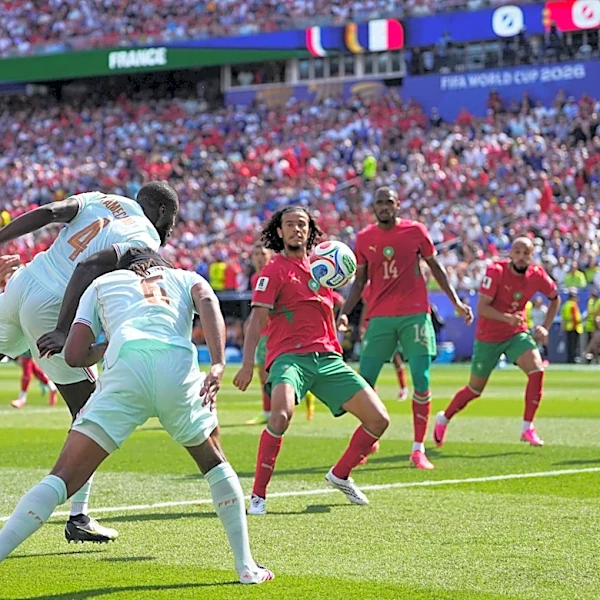
On the pitch, a 0-0 scoreline in the late stages of a game raises the stakes of every single action. When goals are scarce, the value of a perfectly timed tackle, a saved shot, or a cleanly won header skyrockets. A misplaced pass isn't just a turnover; it’s a potential catastrophe. A corner kick isn't a set piece; it's a lottery ticket that could decide the entire contest. This is the tactical reality of a deadlocked game. Teams are often balanced on a knife's edge, with defensive structures so organized that a single mistake could be the only opening a forward gets all day. Players on both sides are acutely aware of this, which adds a layer of mental exhaustion to their physical efforts. They know that 89 minutes of flawless defending can be undone by one lapse in concentration, and that pressure is visible in their every movement.
The Tactical Chess Match
A tense 0-0 is rarely a sign of two teams that can't attack; more often, it's a sign of two teams defending at an extremely high level. It becomes a fascinating, high-stakes chess match between the managers on the sideline and the players executing the game plan. Is the press coordinated enough to force an error without leaving gaps behind? Is the defensive line holding its shape? When is the right moment to make a substitution that could either win the game or lose it? The crowd feels this strategic tension. They react to a winger finding a rare pocket of space or a defender stepping up to make a crucial interception because they understand the tactical battle unfolding. The danger in a 0-0 game is the feeling that one side is about to find the solution, to make the move that finally says, "checkmate."