






The Calm Before the Storm
Weeks before the first flashbulb pops, Cannes is a city under construction. The serene beachfront promenade, the Croisette, becomes a labyrinth of cranes, forklifts, and temporary fencing. The iconic Palais des Festivals, the heart of the event, is swarmed by workers transforming it from a municipal building into a global media temple. The famous red-carpeted steps don’t exist for 50 weeks a year; they are a bespoke creation, built and installed in a furious race against time. For residents, this period is a noisy, dusty, and inconvenient preview of the chaos to come. Quiet morning strolls are replaced by the sounds of power tools and the sight of massive brand pavilions colonizing public beaches.
Fortress Cannes: The Security Lockdown
In the modern era, preparing for the festival
also means turning the city into a high-security fortress. The glamour of the event makes it a high-profile target, a reality that has drastically intensified security protocols. Hundreds of extra police officers, private security guards, and even snipers are deployed. Concrete barriers and checkpoints materialize overnight, rerouting traffic and making simple errands a logistical nightmare for locals. The city’s already extensive network of CCTV cameras is augmented, creating an atmosphere of constant surveillance. While essential for safety, this lockdown transforms a relaxed seaside resort into a restricted zone, where residents often feel like secondary citizens in their own hometown.
The Price of Prestige
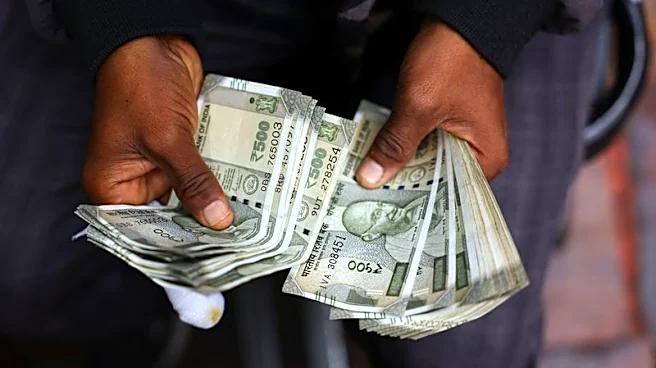
The economic impact is a double-edged sword. The festival injects hundreds of millions of dollars into the local economy, but it comes at a cost, especially for those not directly profiting. For two weeks, normal life becomes unaffordable. The price of a simple coffee can quadruple. A short taxi ride becomes a luxury expense. Supermarket shelves are often picked clean by the influx of 200,000 visitors—nearly tripling the town’s year-round population of 74,000. Many locals have two choices: flee the city entirely, or cash in. Renting out a modest apartment to a film company or a wealthy tourist can earn a resident enough to cover their mortgage for a year, creating a bizarre, high-stakes version of Airbnb that hollows out entire apartment buildings.
The Invisible Army
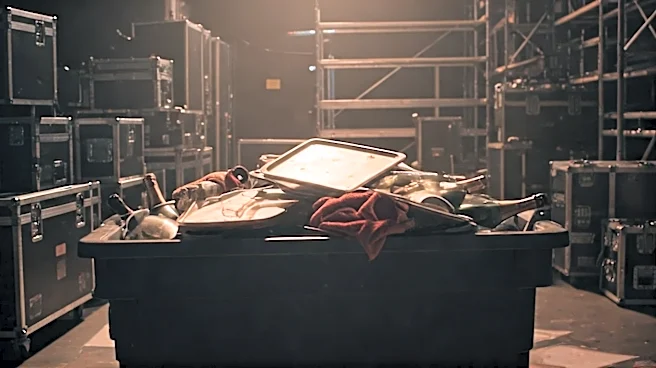
Holding it all together is an invisible army of temporary workers. The festival runs on the labor of thousands of cleaners, drivers, caterers, security personnel, and technicians who descend on the city for short-term contracts. They work brutally long hours to maintain the illusion of seamless perfection. Sanitation crews work through the night to clear away the mountains of trash left by the previous day’s parties and premieres, ensuring the streets are spotless by dawn. This immense strain on municipal services and infrastructure is a hidden cost of the festival, borne by the city and its year-round workforce who must manage the surge and then disappear when the cameras stop rolling.
The Grand Cleanup
When the last award is given and the private jets depart, Cannes is left with a colossal hangover. The process of dismantling the festival is just as disruptive as its construction. The pavilions on the beach are torn down, the barricades are removed, and the red carpet is rolled up and discarded. What remains is a town exhausted, littered with the remnants of two weeks of excess. It takes days, sometimes weeks, for Cannes to feel like itself again—for the streets to quiet down, for the beaches to be returned to the public, and for the rhythm of daily life to resume. For the residents, it’s a moment of collective exhale before the cycle begins all over again the following spring.