


The Desert's Dehydrating Effect
The number one challenge in a desert is the profound lack of humidity. In environments with low humidity, the air actively pulls moisture from whatever source it can find—including your skin. This process is called Transepidermal Water Loss (TEWL), and
it’s the passive evaporation of water from your skin into the atmosphere. While this happens everywhere, it accelerates dramatically in dry climates, putting immense stress on your skin’s ability to stay hydrated. Add intense, year-round UV exposure, and you have a recipe for a compromised skin barrier, which is the protective outermost layer of your skin.
The Importance of the Skin Barrier
Think of your skin barrier, or stratum corneum, as a brick wall. The skin cells are the bricks, and a complex mixture of lipids—like ceramides and fatty acids—is the mortar holding it all together. This mortar is crucial; it keeps water in and irritants out. A healthy, intact barrier is your best defense against the desert environment. When it's weakened, whether by harsh cleansers, over-exfoliation, or the dry air itself, your skin becomes vulnerable. This leads to symptoms like tightness, redness, flaking, and sensitivity, regardless of your underlying skin type.
Why Oily Skin Can Sometimes Thrive
People with naturally oily skin often have a surprising advantage in the desert. Their skin produces an excess of sebum, which is your body's own natural moisturizer. This oil creates an occlusive layer on the skin's surface, acting like a built-in shield that slows down transepidermal water loss. For these individuals, the drying effect of the climate can actually help balance their oil production, leading to skin that feels less greasy and more “normal.” However, even oily skin can become dehydrated (lacking water, not oil), which can paradoxically trigger even more oil production and lead to clogged pores.
The Struggle for Dry and Sensitive Skin
For those with dry or sensitive skin, the desert can feel like an enemy. A dry skin type naturally produces less sebum, meaning it lacks that protective oily layer from the start. The relentless low humidity strips away what little moisture it has, leading to accelerated water loss and a chronically compromised barrier. This results in feelings of tightness, rough texture, and visible flaking. Sensitive skin often goes hand-in-hand with an impaired barrier, making it highly reactive to the dual threats of dehydration and intense UV radiation, which can cause increased redness and irritation.
Combination Skin's Confusing Signals
If you have combination skin, a desert climate can send mixed messages. The oily T-zone (forehead, nose, and chin) might behave like oily skin, becoming more balanced and less congested. Meanwhile, the cheeks and areas around the eyes, which are typically drier, can become severely dehydrated and irritated. Following a single routine for the whole face often fails, as a product designed to control oil can strip the dry areas, while a rich cream meant for dry patches can clog the T-zone. The key is a targeted approach, treating different parts of the face according to their specific needs.
How to Build a Desert-Proof Routine for Any Skin Type
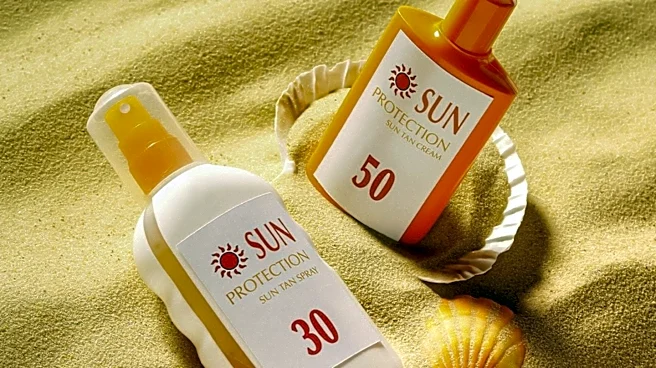
Success in a desert climate isn't about finding one magic product, but about adopting the right strategy. First, use a gentle, non-stripping cleanser. Next, layer your hydration. Apply a hydrating serum with humectants like hyaluronic acid or glycerin to damp skin; these ingredients attract water. The crucial final step is to seal that hydration in with a moisturizer containing occlusive and emollient ingredients like ceramides, shea butter, or squalane. This creates a physical barrier to prevent TEWL. And most importantly, daily use of a broad-spectrum sunscreen with at least SPF 30 is non-negotiable to protect against the heightened UV damage.