
The Festival Identity Crisis
Let’s be honest: the North American festival circuit is starting to feel like a game of Mad Libs. Pick a city, insert three interchangeable headliners (one legacy act, one pop superstar, one EDM giant), add a dozen food trucks, and you’re done. The posters
blur together, the experiences start to feel recycled, and the unique cultural identity that once defined these gatherings has been flattened by corporate booking and logistical necessity. Bonnaroo, once the weird, free-spirited southern cousin to Coachella’s desert chic, now finds itself competing in this same crowded space. While its famously positive vibes remain, relying on “Radiate Positivity” alone isn't a sustainable market differentiator. To survive and thrive, Bonnaroo doesn’t need a better lineup; it needs a bolder identity. It needs to find the one thing it does better than anyone else and build its entire world around it.
Embrace the Magic of 4 A.M.
For anyone who has been to The Farm, the answer is obvious: the magic is in the dark. It’s not about who plays the 9:30 p.m. main stage slot. It’s about the spontaneous dance party at the Silent Disco at 2 a.m. It’s the legendary, career-defining sunrise set from Skrillex in 2014. It’s the deep-cut jam sessions from a SuperJam that go until the birds start chirping. While other festivals are winding down, sending tired fans shuffling toward the exits, Bonnaroo is just hitting its second wind. This is where the communal spirit of the festival is truly forged—in the weird, wonderful, and unpredictable hours between midnight and sunrise. It’s a shared experience of endurance and euphoria that you can’t get anywhere else. This isn’t just a feature; it’s Bonnaroo’s soul.
The 'Nocturnal Headliner' Blueprint
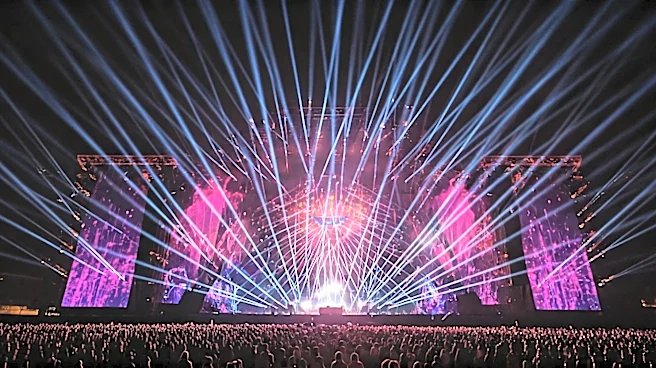
So, how does Bonnaroo turn this into its main event by 2026? It requires a radical reimagining of the festival schedule and hierarchy. Imagine a world where the biggest headliner doesn’t play at 10 p.m., but at 1 a.m. on the What Stage. Picture a lineup poster where the “late night” acts aren’t in a smaller font at the bottom, but are presented as a curated, second wave of headliners. The daytime becomes the warm-up: a relaxed, sprawling affair with discovery stages, workshops, and communal activities. But when the sun goes down, The Farm transforms. It’s not just about booking DJs; it’s about creating entire immersive, nocturnal worlds. This could mean themed takeovers of The Other stage by record labels, surprise pop-up sets from major artists in Centeroo, and interactive art installations that only come to life after midnight. The festival would market itself not as a four-day event, but as a four-night experience.
A Calculated Risk for a Legendary Reward
Flipping the script is a logistical and financial gamble. It requires artists to agree to unconventional set times, staff to work through the night, and fans to adjust their entire biological rhythm for a weekend. But the payoff could be monumental. Instead of competing with every other festival for the same handful of top-tier acts who demand a primetime slot, Bonnaroo could cultivate a new kind of headliner: the artist whose music and performance style thrives in the delirious energy of the deep night. This pivot would attract a die-hard audience seeking a genuinely transformative experience, not just a series of concerts. It would create stories that travel far beyond social media posts—the “you had to be there” moments that build legends. It’s a move that would immediately distinguish Bonnaroo from its peers, cementing its reputation as the ultimate destination for music lovers who believe the best part of the party starts long after everyone else has gone home.