





A Tournament Built for Binge-Watching
First, let’s get the basics out of the way. The 2026 World Cup is expanding from 32 to 48 teams, the first tournament of this scale. Instead of the tidy eight groups of four we were used to, this tournament will feature 12 groups of four. This means more
nations, more games (a jump from 64 to 104 total matches), and a longer, more sprawling tournament that will dominate the sports calendar. Co-hosted by the United States, Canada, and Mexico, it’s a continent-wide party designed to be the biggest global sports spectacle ever. But the most significant change isn't just the size; it's how teams will fight their way to the final.
More Teams, More Paths, More Drama
You may have heard a wild rumor about penalty shootouts deciding drawn matches in the group stage. That was an idea floated for a different, three-team group format that FIFA ultimately scrapped. Instead, they stuck with four-team groups, but with a crucial twist for advancement. Not only do the top two teams from each group go through, but the eight best third-place teams also get a ticket to the knockout rounds. Think of it as a massive wild-card race. This makes nearly every goal in every group-stage game matter. A team could lose its first two games and still have a sliver of hope, while another could win its first two and still need a result in the third to ensure a favorable path. This creates a complex web of possibilities that will have fans and analysts glued to calculators and standings, making the end of the group stage a frantic, high-stakes affair.
Welcome to the Knockout Gauntlet
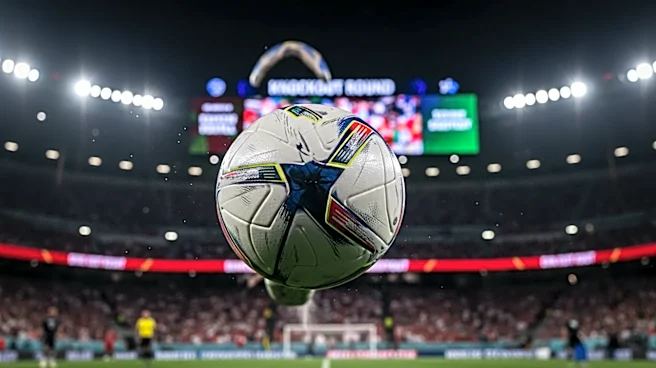
Here’s where the real obsession begins. With 32 teams advancing, the tournament introduces a brand-new knockout stage: the Round of 32. In the past, the do-or-die games started with 16 teams. Now, we get an entire extra round of single-elimination soccer. That’s 16 more matches where victory means survival and defeat means a flight home. Every match in this phase must have a winner. If it's tied after 90 minutes of regulation and 30 minutes of extra time, the game goes to a penalty shootout. By adding a whole new knockout round, the 2026 format dramatically increases the number of potential shootouts, putting the tournament's most nerve-wracking feature on display earlier and more often.
The Beautiful Cruelty of the Shootout
For soccer purists, the penalty shootout is a cruel lottery. For the casual American fan, it’s pure, uncut drama. It strips a team sport down to its most basic, individual elements: one kicker, one goalkeeper, 12 yards, and the weight of a nation on their shoulders. The psychology is fascinating. Studies show teams that shoot first win over 60% of the time, and the success rate for kickers plummets when missing means immediate elimination. It’s a test of nerve, not just skill—a mental battle that provides a definitive, emotional, and easy-to-understand conclusion. There are no ties, no confusing aggregate scores, just the raw joy of victory and the stark agony of defeat.
An American-Sized Spectacle
The American sports palate craves clear winners, high stakes, and moments of individual heroism. We love a Game 7, a Super Bowl overtime, a buzzer-beater. The penalty shootout delivers all of this. While the constant flow of soccer can sometimes feel foreign to a sports culture built on discrete plays and commercial breaks, the shootout is a familiar spectacle of focused pressure. With an extra knockout round, the 2026 World Cup now has more opportunities than ever to deliver these moments. The new format, while perhaps unintentional, has created a tournament structure perfectly suited to capture the imagination of a U.S. audience, promising a steady diet of the most intense drama the sport has to offer.