




The Demigod We Know and Love
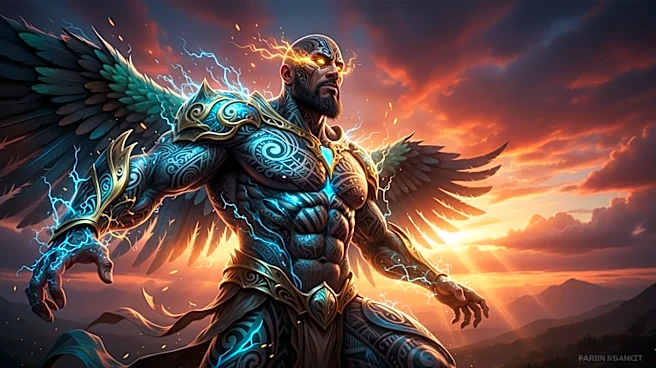
When ‘Moana’ sailed into theaters in 2016, Maui was an instant icon. Voiced with booming charisma by Dwayne Johnson, he was a larger-than-life demigod of wind and sea, a hero to all. His body was a walking mural of his legendary feats, his confidence
was as big as the ocean, and his song, “You’re Welcome,” was the perfect anthem for a being who believed his own hype. Johnson, who based the character on his own grandfather, wrestler Peter Maivia, infused Maui with a charm that made his arrogance not just palatable, but lovable. He was the ultimate trickster hero—powerful, funny, and deeply flawed. Now, with Johnson physically portraying the character he brought to life with his voice, the anticipation for the 2026 live-action remake is immense. But bringing Maui to life involves more than just prosthetics and a very heavy fishhook; it requires protecting the character's fragile, tragic core.
The Heartbreak Behind the Bravado
The masterstroke of the original ‘Moana’ isn’t Maui’s strength, but his profound vulnerability. In a quiet, heartbreaking moment, the film reveals his backstory through one of his sentient tattoos: born a human, his parents took one look at him, decided he wasn't worth keeping, and threw him into the sea. He was rescued by the gods, who granted him a magical fishhook and immortality, but the wound of that initial rejection never healed. Every heroic deed—lassoing the sun, pulling up islands from the sea—was a desperate attempt to earn the human love he was denied at birth. This singular detail re-contextualizes his entire personality. His boastfulness is a defense mechanism. His need for adoration is a symptom of deep-seated trauma. He believes he is nothing without his hook and the validation it brings, a tragic belief that drives his entire arc.
The Temptation to ‘Fix’ It
Here lies the “tempting overwrite” for any remake. In the modern blockbuster landscape, which often favors simplified heroes and clearer motivations, Maui’s complex, painful origin is a prime candidate for revision. A studio might be tempted to sand down his sharp edges. Why not make him a more straightforward hero from the start? Perhaps his abandonment could be reframed as a noble sacrifice, or maybe his desire for human approval could be swapped for a more generic quest for glory. The real-world mythology of Māui is vast and varied, offering countless alternate paths. Across Polynesia, he is sometimes a revered prophet, sometimes a rascally trickster. The filmmakers could easily pull from a different tradition to create a less emotionally complicated demigod. But to do so would be a monumental mistake, gutting the very thing that makes him resonate so deeply.
Why His Trauma Is Untouchable
Maui's backstory isn’t just flavor text; it's the engine of the entire story. His desperation to be loved is what leads him to steal the heart of Te Fiti in the first place, kicking off the events of the film. His character arc is about learning that his worth isn't tied to his powers or the praise of others. It’s Moana, a mortal girl secure in her identity, who teaches him that the gods didn't make him a hero—he became one through his actions, and he is enough, with or without his hook. Their relationship is built on this dynamic: he teaches her to be a wayfinder, and she teaches him self-worth. Erase or alter the foundational trauma of his abandonment, and this entire emotional structure collapses. His eventual sacrifice and redemption would lose their meaning. The story's central theme—finding strength in who you are, not what you’ve done—would be lost.