






The Currency of Goals Is Absolute
A midfielder’s genius can be subtle, a defender’s impact is often measured in the disasters they prevent. But a striker’s contribution is tallied in the one currency everyone understands: goals. Their job is the most high-profile and scrutinized on the field.
When a legendary forward enters their final tournament, their entire legacy is often distilled into a simple, binary question: did they score? Every missed opportunity, every shot that skims the post, isn't just a failure in the moment—it’s a potential blemish on their career retrospective. The pressure isn't just to win; it's to deliver the defining, quantifiable moments of victory that have always been their primary function. This singular focus of their role makes the spotlight of a final tournament intensely hot.
The Loneliest Job on the Field
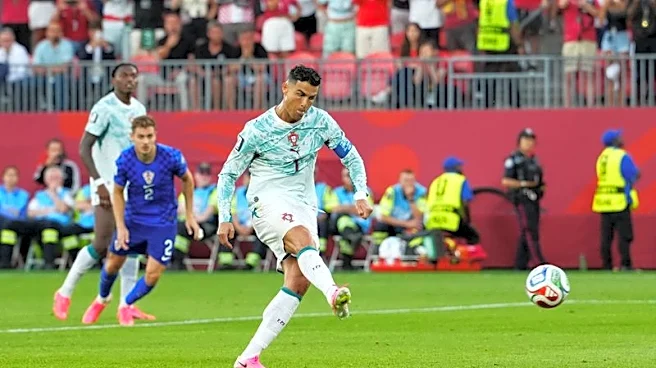
While soccer is the ultimate team sport, the act of scoring is an intensely individual one. When a striker is through on goal, it’s a moment of profound isolation. In their last campaign, this solitude is magnified. Teammates look to them, the world watches, and the outcome rests on their shoulders. While a goalkeeper shares a similar burden, the striker is expected to initiate glory, not just prevent defeat. This proactive pressure is relentless. Every attacking move funnels toward them, culminating in a sequence where they are expected to provide the finishing touch. If they fail, there’s no one else to blame for that specific action, making the mental load of a final tournament a uniquely heavy and solitary journey.
A Physical Race Against a Fading Clock
For many athletes, experience is a powerful tool that compensates for diminishing physical gifts. A crafty midfielder can use their intelligence to read the game, and a veteran defender can rely on positioning. But the primary attributes of an elite striker—explosive speed, lightning-quick reactions, and raw power—are often the first to be eroded by age. A 'Last Dance' for a striker is therefore a direct confrontation with their own physical decline. They are in a race against a clock that is visibly ticking. They can no longer beat defenders with pure pace as they once did, making every movement, every run, a calculated expenditure of a dwindling resource. This creates a psychological battle where they must constantly adapt their game while still being expected to produce the same end product.
The Weight of the Narrative
When a famous striker announces their final tournament, the narrative machine kicks into high gear. They are no longer just a player; they are the protagonist in a drama with a predetermined final act. Will it be a triumphant exit, like a storybook hero, or a frustrating fade into obscurity? This external pressure, fueled by media and fan expectations, is immense. Think of Roberto Baggio's missed penalty in the 1994 World Cup final, a single moment that unfairly threatened to define a brilliant career. Every action is framed within this final-chapter narrative, turning a series of games into a referendum on their entire legacy. Unlike players in other positions, whose final contributions can be part of a collective effort, the striker is often the sole author of their own ending, for better or worse.