

An Awards Show with a Mission
Launched in 2004, VH1 Hip Hop Honors was a direct response to mainstream awards shows that often overlooked hip hop's foundational artists. Instead of chasing commercial success or fleeting trends, the show's purpose was to canonize the architects of the culture.
The honorees were a who's who of pioneers: Run-DMC, 2Pac, Public Enemy, Queen Latifah, and LL Cool J, among many others. This wasn't about who had the hottest song of the year; it was about acknowledging decades of influence. Held at New York's Hammerstein Ballroom, the event felt less like a stuffy ceremony and more like a family reunion. The room was filled not just with honorees, but with generations of rappers, producers, DJs, and industry figures who understood the gravity of the moments being celebrated.
A Jury of Your Peers
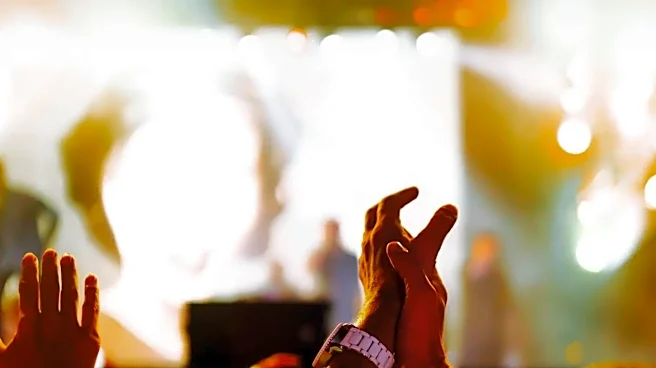
The show’s directors made a brilliant and deliberate choice: they kept the cameras focused on the crowd. During a tribute performance, seeing a young artist's electrifying take on a classic was only half the story. The other half was the reaction shot: the original artist, sitting in the audience, nodding in approval, mouthing the words, or even shedding a tear. In hip hop, a culture built on respect and the concept of the “co-sign,” this was everything. The approval wasn't coming from a faceless academy; it was coming from the very legends who paved the way. When Common performed a tribute, or when younger acts honored A Tribe Called Quest, the camera would inevitably find the honorees, and their reaction became a verdict delivered in real-time. This visual language elevated the applause from simple politeness to a powerful cultural statement.
The Camera as Storyteller
The production itself treated the audience as a core scenic element. One lighting designer for the show noted that because the venue had limitations, the people in the room became part of the scenery, their energy a key visual component. The broadcast didn't just cut away to a celebrity for a fleeting moment. It lingered. You’d see Chuck D absorbing a Public Enemy tribute, or Missy Elliott beaming as Ciara and Eve recreated her work. These moments provided context and emotional weight. For viewers at home, it was like being let in on an inside conversation. You weren't just watching a performance; you were watching it through the eyes of people who lived and breathed the history being presented. This technique made the honors feel authentic and deeply communal, separating it from the polished, often sterile feel of other music awards.
Moments That Became Memories
Some of the show's most lasting memories are defined by these interactions. During the 2016 show honoring the women of hip hop, the camera panned to Lil' Kim's young daughter, Royal Reign, in the audience during her mother's acceptance speech, creating a tender, humanizing moment. That same night, Faith Evans introduced Lil' Kim, her former rival, representing a public burying of a long-standing hatchet tied to their shared history with The Notorious B.I.G. The meaning was amplified because the audience, filled with their peers, understood the deep history behind that gesture. When Puff Daddy made a surprise appearance to honor Lil' Kim, her genuine shock and his heartfelt words about her fearlessness became a standout moment, validated by the cheering legends around them. The performances were great, but the interplay between stage and crowd was unforgettable.