

1. The Prep Starts Days Before
A truly flash-friendly complexion isn't created an hour before showtime. Celebrity aestheticians often begin working with their clients several days in advance. This period focuses on calming inflammation, deep hydration, and avoiding any new, potentially irritating treatments. The goal is to create a stable, healthy canvas. This means sticking to trusted products, getting ample sleep, and staying hydrated from the inside out. Professionals will advise clients to avoid alcohol and salty foods, which can cause puffiness and dehydration, ensuring the skin is as calm and receptive as possible for the day-of treatments.
2. De-Puff and Sculpt with Massage
On the morning of the big event, the first order of business is almost always lymphatic drainage. This technique is crucial for
reducing puffiness and defining facial contours, like the jawline and cheekbones. Makeup artists and aestheticians use their hands, a gua sha stone, or chilled facial rollers to gently massage the face, encouraging the movement of lymph fluid. This not only provides an immediate visual lift but also boosts circulation, bringing a natural rosiness to the skin. This step ensures that the face appears sculpted and awake on camera, even after a long night of preparation.
3. Gentle Exfoliation is Key
To create a smooth surface for makeup, dead skin cells must be sloughed away. However, harsh physical scrubs are a major no-go before a big event, as they can cause micro-tears and redness. Instead, the pros opt for gentle chemical exfoliants. Products containing lactic acid or fruit enzymes are favorites, as they effectively dissolve dull surface cells without causing irritation. This step is performed carefully to reveal brighter skin and ensure foundation glides on without clinging to dry patches. A polished, even texture is non-negotiable for high-definition cameras.
4. Layering Hydration for a Lasting Glow
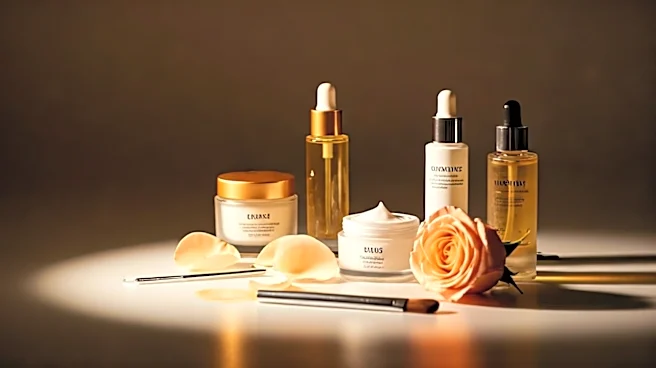
This is perhaps the most critical stage: infusing the skin with moisture. Rather than applying one heavy cream, celebrity artists employ a technique called 'skin flooding,' which involves layering multiple hydrating products. The sequence typically starts with a hydrating toner or essence, followed by a serum packed with hyaluronic acid to draw in moisture. Next comes a sheet mask—often one soaked in peptides or antioxidants—which is left on for 15-20 minutes. Some artists even use at-home LED therapy masks during this step to further reduce inflammation and boost collagen. The mask is followed by a lightweight moisturizer and a facial oil to seal everything in, creating that coveted 'glass skin' effect.
5. The Perfect Primer and Base
Before any makeup is applied, the skin needs a final layer of prep to ensure longevity and a photo-friendly finish. The choice of primer is strategic. A luminizing primer is often applied to the high points of the face (cheekbones, bridge of the nose) to create a glow that looks like it’s coming from the skin itself, not from makeup. For areas prone to oiliness, like the T-zone, a mattifying or pore-filling primer might be used. This targeted approach prevents the dreaded camera flashback from greasy skin while maintaining a dimensional, healthy radiance elsewhere. It’s a balancing act that separates a good makeup day from a red-carpet-worthy one.
6. Finishing Mists for the Final Seal
The routine doesn’t end when the makeup is done. Throughout the application process and as a final step, hydrating finishing mists are used to melt all the layers of skincare and makeup together. This prevents a cakey or powdery look and gives the complexion a dewy, lived-in appearance. These mists are often formulated with glycerin, rosewater, or other humectants to continuously attract moisture to the skin's surface. A final spritz just before heading out the door ensures the skin looks fresh and luminous for hours, under bright lights and endless camera flashes.