



The Rise of Analog Horror
Remember the fuzzy tracking lines on a VHS tape or the unnerving silence of a dead-air television broadcast? That's the unsettling playground of analog horror. This internet-born subgenre uses the aesthetics of late 20th-century media to create a unique
sense of dread. Instead of a monster jumping out, the terror comes from the corruption of something familiar and nostalgic. It mimics the experience of finding a 'cursed' tape or stumbling upon a broadcast not meant for public eyes. The storytelling potential here is immense, moving beyond its found-footage roots into mainstream features like A24's 'Backrooms'. The genre taps into a modern mistrust of digital perfection and a strange yearning for a physical past, twisting cozy nostalgia into something deeply sinister. Stories can explore disinformation, lost media, and the fear that technology itself is haunted by ghosts we can't simply delete. It's a style of horror that's less about what you see and more about the creeping feeling that you're witnessing something forbidden.
The New Wave of Folk Horror
Folk horror is experiencing a massive revival, moving from a niche 1970s British film trend to a staple of modern horror. At its core, this subgenre pits modern sensibilities against ancient traditions, forgotten rituals, and the dark power of the land itself. Think isolated rural communities with unsettling customs, pagan cults hiding in plain sight, or vengeful spirits tied to a specific piece of folklore. Its modern storytelling potential lies in how it reflects our current anxieties. In a hyper-digital, globalized world, there's a growing fear of losing our connection to the past and the natural world. Folk horror stories explore what happens when we stumble back into that world unprepared. They ask terrifying questions: What if the old ways are not just myths? What if the dirt beneath our feet remembers things we've forgotten? With acclaimed literary entries and a growing presence in film, the subgenre is ripe for stories about cultural clashes, environmental reverence, and the terrifying idea that we are merely guests in a world with very old rules.
The Inevitability of Eco-Horror
Perhaps no subgenre is more timely than eco-horror. For decades, films have used nature as a monstrous force, from 'Jaws' to 'Godzilla'. But today's eco-horror is different. It's less about a single mutated creature and more about the environment itself as an unstoppable, vengeful entity. The horror isn't just a giant shark; it's a world thrown into chaos by melting ice caps, polluted oceans, or strange new organisms emerging from our waste. The storytelling potential is as vast and terrifying as climate change itself. It allows filmmakers to tackle real-world anxieties about ecological collapse in a visceral, narrative form. These aren't just monster movies; they are survival stories set in apocalyptic landscapes that human negligence created. The narrative possibilities range from gritty thrillers about resource scarcity to body horror where nature begins to 'reclaim' humanity in grotesque ways. This subgenre channels the pervasive feeling that we have broken a fundamental contract with the planet, and payback is finally here.
Social and Psychological Thrillers
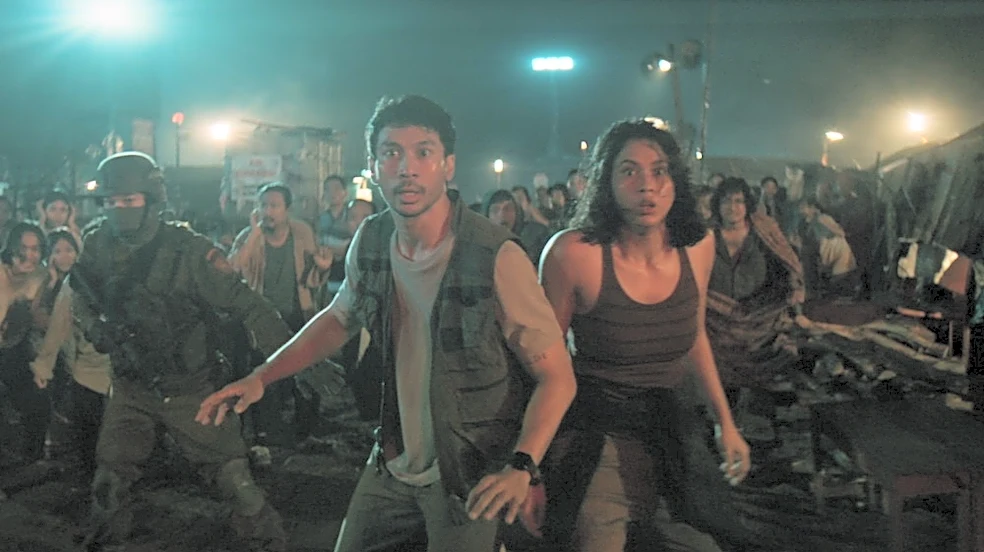
While not a subgenre in the same vein as the others, the boom in horror that serves as direct social commentary continues to offer incredible storytelling depth. Filmmakers like Jordan Peele have demonstrated how the genre can be a powerful tool for dissecting real-world horrors like racism and social injustice in an entertaining format. Recent Indonesian horror has also gained attention for using the genre to satirize corruption and inequality. The potential here is limitless because the source material is society itself. These films use supernatural or horrific events as metaphors for class struggle, generational trauma, corporate dehumanization, and political paranoia. As audiences show a growing appetite for horror with psychological depth and something to say, expect to see more stories that use monsters, ghosts, and killers to force us to confront the real demons lurking within our everyday lives. It proves the old adage that sometimes, the most terrifying monster is us.