





A Masterclass in Simple Terror
Forget convoluted mythologies and supernatural curses for a moment and remember what made the original so terrifying: its simplicity. John Carpenter wasn't just making a horror movie; he was conducting an orchestra of dread. Using wide Panavision lenses,
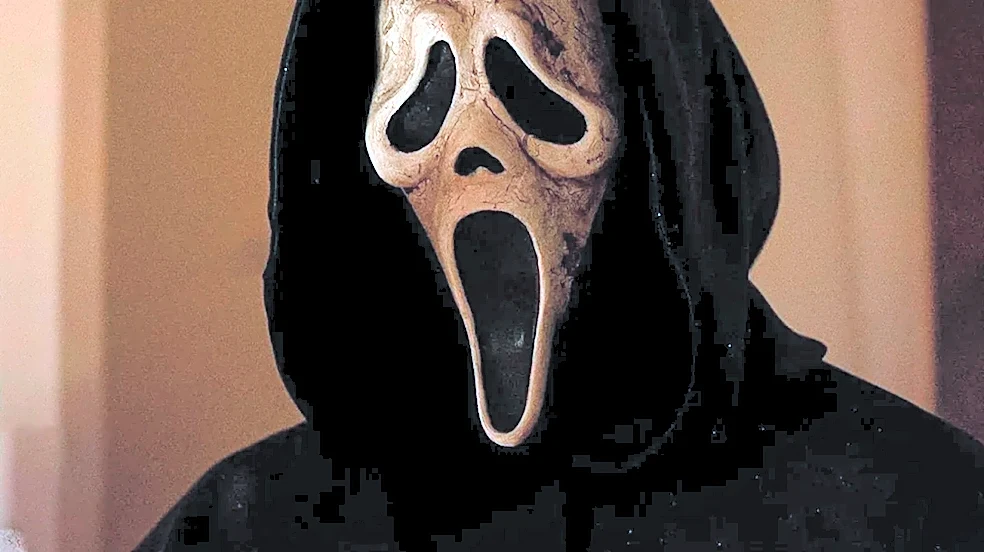
he made the quiet, leafy streets of Haddonfield feel both vast and claustrophobic. Michael Myers, credited only as ‘The Shape,’ wasn't a character. He was a presence. He didn’t run; he walked. He didn’t have a motive; he was pure, unknowable evil. This is what made him scary. Carpenter masterfully used suspense over gore, making the audience imagine the worst. The famous score, composed by Carpenter himself in an unusual 5/4 time signature, acts as the film's nervous heartbeat, putting you on edge long before you see anything at all.
The Sibling Twist That Broke the Spell
The moment the franchise began to dilute its own magic can be pinpointed to one scene in 1981’s ‘Halloween II.’ The reveal that Laurie Strode is Michael’s long-lost sister was a well-intentioned attempt to build a story, but it fundamentally misunderstood the horror of the original. Suddenly, Michael wasn't an avatar of random, motiveless evil anymore. He had a target, a reason. This twist, which fueled the narrative for several sequels, reduced ‘The Shape’ from a terrifying enigma to a man with a very specific, and far less scary, family grudge. The horror of the 1978 film was that it could happen to anyone, on any street. The sequel changed the narrative to a bizarre family reunion that could only happen to the Strodes.
The Multiverse of Michael Myers
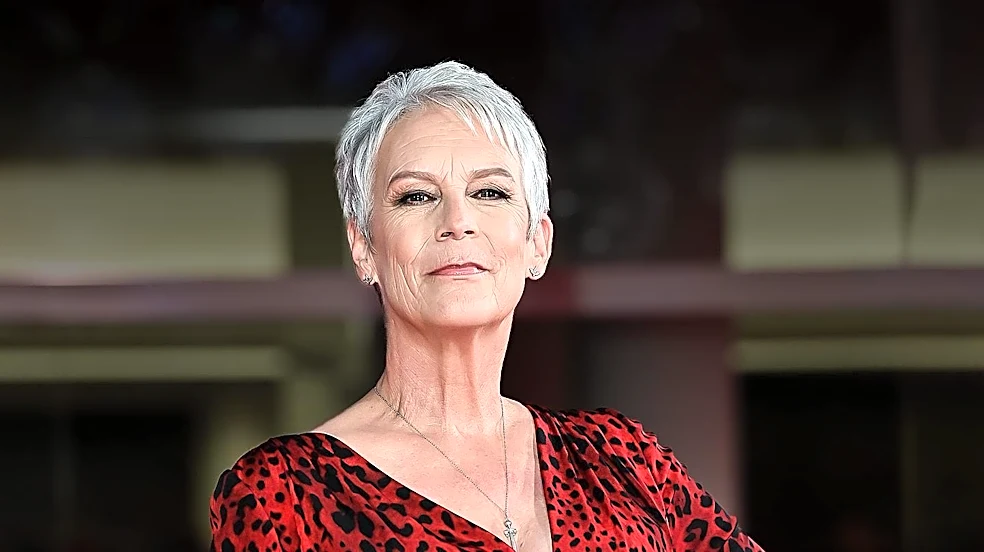
Since that initial sequel, the 'Halloween' timeline has splintered into a dizzying mess. There are at least five distinct continuities. There’s the ‘Thorn’ timeline, which introduces a druidic cult controlling Michael. There’s the ‘H20’ timeline, which ignores the Thorn movies and brings back Jamie Lee Curtis, only to lead to the much-maligßned ‘Halloween: Resurrection.’ Then came the Rob Zombie remakes, which attempted a gritty psychological deep-dive into Michael's childhood. And most recently, David Gordon Green’s trilogy created yet another new path, erasing every single sequel that came before it. Trying to follow the canon is an exercise in futility. It’s a choose-your-own-adventure book where most of the paths lead to disappointment.
Permission to Love the Classic
This isn't to say the sequels have no merit; some have dedicated fanbases and interesting ideas. But they are not required viewing. In fact, they often detract from the power of the original. The 1978 film was designed and executed as a perfect, self-contained story. It’s a campfire tale brought to life with impeccable craft. Watching it today, with the baggage of 12 other films, is like listening to a brilliant song that’s been followed by a dozen mediocre remixes. The best way to experience ‘Halloween’ is to treat it as a standalone work of art. Appreciate the filmmaking, the atmosphere, and the chillingly simple premise that changed horror forever. It doesn’t need a sprawling backstory or a convoluted family tree to be effective. Its power lies in what it doesn’t tell you.