



The High Thread Count Myth
The number one metric shoppers latch onto is thread count—the number of threads per square inch of fabric. We’ve been trained to believe that a higher number, like 140s or 160s, automatically means a better shirt. While a higher count does indicate finer,
thinner yarns that create a smoother and silkier feel, it's not the whole story. An extremely high thread count can result in a delicate fabric that's prone to snagging and isn't ideal for daily wear. A more crucial factor is the “ply,” which tells you how many yarns are twisted together. A two-ply fabric, where two yarns are twisted into one before weaving, is significantly stronger and more durable than a single-ply fabric of the same thread count. A shirt made from 100s two-ply cotton will often outperform and outlast a more fragile 140s single-ply shirt. So instead of just looking for a big number, look for the words "two-ply" or "2-ply" for a better balance of softness and durability.
Ignoring the Stitching Details
Most shoppers glance at the fabric and the fit, completely ignoring one of the most revealing signs of quality: the stitching. A well-made shirt is built to last, and that durability comes from dense, precise seams. High-quality shirts will have a high number of stitches per inch (SPI), often around 14 to 22. This tight stitching creates stronger, cleaner seams that are less likely to pucker or come apart over time. A cheaper shirt, by contrast, will have noticeably fewer stitches per inch, a cost-saving measure that results in a weaker garment. Another subtle sign is the type of seam used. Look for single-needle or 'English' seams, which are sewn once, folded over, and sewn again for a clean finish on both the inside and outside of the shirt. This is a more time-consuming process than the faster double-needle stitching found on lower-end shirts, but it's a clear indicator of superior craftsmanship.
Overlooking the Buttons
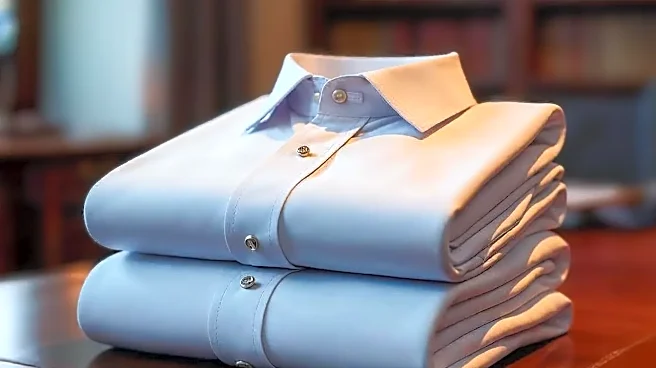
It’s easy to think “a button is a button,” but the small discs on the placket are a massive giveaway of a shirt's quality. The vast majority of shirts use standard plastic buttons, which are cheap to produce and prone to cracking or deteriorating over time, especially when exposed to heat from irons and dryers. Premium shirtmakers, however, almost always use mother-of-pearl (MOP) buttons. Sourced from the inner lining of shells, these buttons have a natural iridescence and depth that plastic can't replicate. But it’s not just about looks; mother-of-pearl is significantly more durable and resilient. You can often tell the difference by touch: real MOP buttons feel cooler and denser than plastic. Paying attention to this small detail is one of the fastest ways to separate a truly well-made shirt from a mass-market imitation.
Misunderstanding the Collar
A shirt’s collar frames your face, but it's also a window into its construction. Many people only consider the collar's style, but how it's made is far more important. Lower-quality shirts use a fused interlining, where a stiffening material is glued to the fabric. After a few washes, this glue can degrade, causing the dreaded “bubbling” effect and a collar that loses its shape. A superior shirt features a sewn interlining, which allows the collar to feel supple yet structured, holding its shape without feeling like cardboard. A quality collar should have a natural, soft roll and spring back when bent, not hold a hard crease. Another hallmark of a better shirt is the presence of removable collar stays—small plastic or metal tabs that slide into pockets on the underside of the collar points to keep them sharp and flat.
Prioritizing Fit Over Construction
An excellent fit is crucial—a shirt that's too loose looks sloppy, while one that's too tight is uncomfortable. Many men make the mistake of buying shirts that are one or two sizes too large, resulting in billowing fabric at the waist. The shoulder seams should sit right at the edge of your shoulder bone, and you should be able to fit two fingers between your neck and the buttoned collar. However, shoppers often mistake a good fit for good quality. A cheap shirt can be tailored to fit you perfectly, but it won't fix poor fabric or weak construction. The smartest shoppers understand that fit and quality are two separate, equally important goals. Once you’ve confirmed the signs of quality construction—like two-ply fabric, dense stitching, and mother-of-pearl buttons—then you can focus on finding the perfect fit for your body.