


From Soft to Solid
For years, the It-bag in menswear was often slouchy, soft, and adaptable—a nylon crossbody, a relaxed tote, or a supple leather backpack. But lately, a different silhouette has been asserting itself on the runways of Milan’s most influential houses. We’re
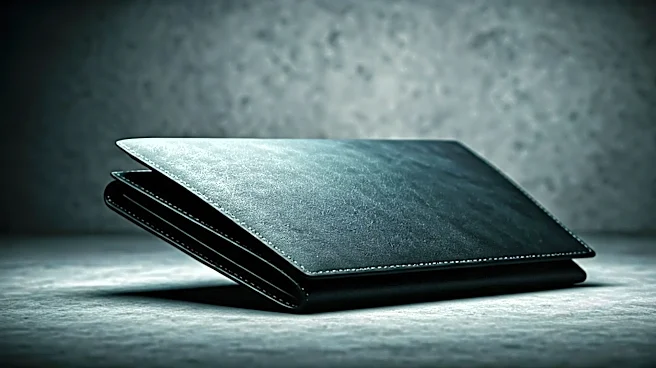
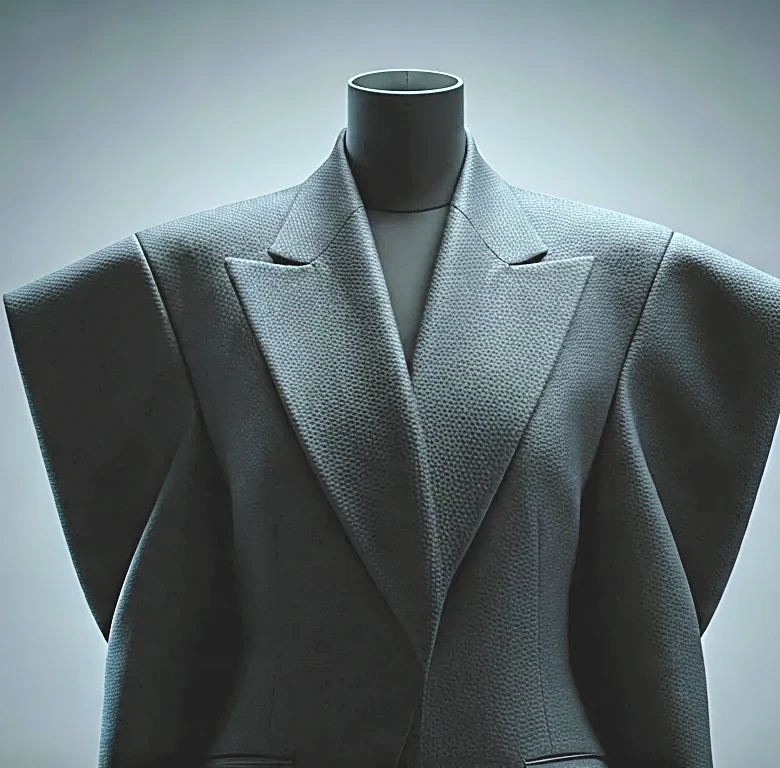
seeing bags, shoes, and even small leather goods defined by their rigid structure, clean geometry, and sharp angles. Think of it as a shift from bohemian ease to a more deliberate, almost Brutalist sensibility. The term “architectural” isn’t just about being big; it’s about an obsession with form, material, and construction. These are accessories where the silhouette is the statement. Houses like Prada, a long-time champion of this aesthetic with its stark, industrial-tinged designs, have been joined by brands like Fendi and Zegna, all exploring accessories that stand on their own, literally and figuratively.
The New Blueprint for Bags and Shoes
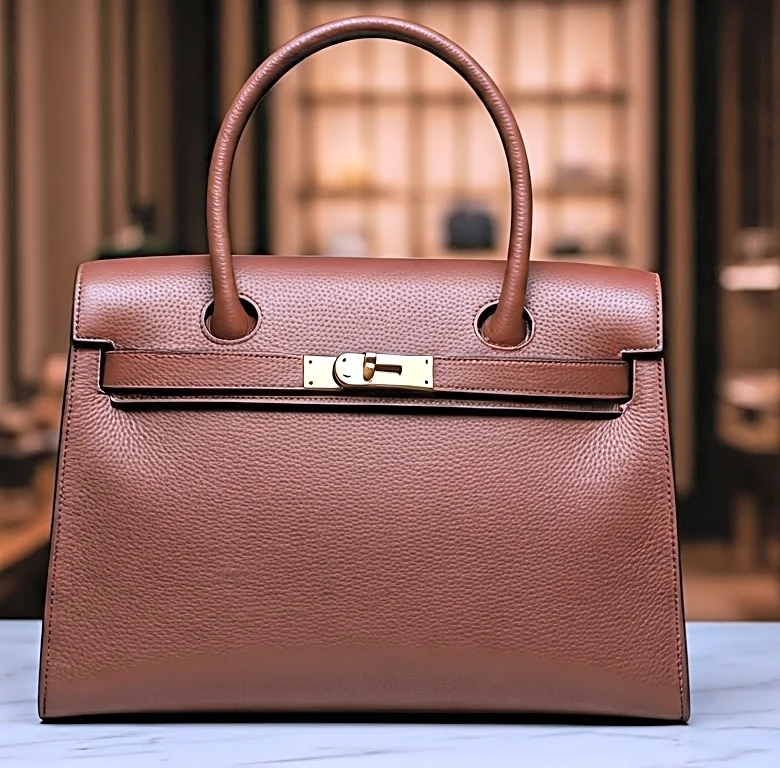
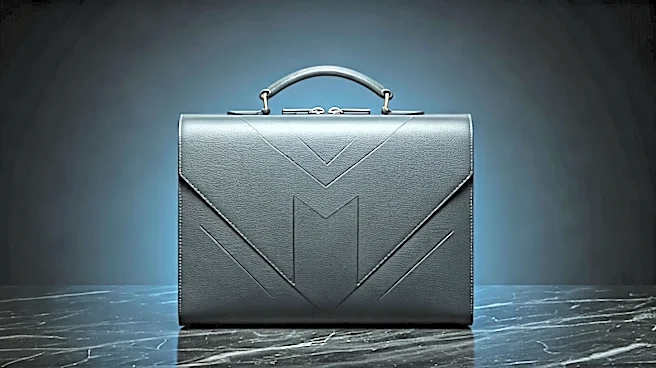
So, what does an architectural accessory actually look like? On recent runways, it’s taken many forms. Consider the briefcases and satchels that resemble hard-shell attaché cases from a bygone era, now updated in futuristic brushed leather or high-tech composites. Tote bags are no longer just sacks for your stuff; they’re sculptural objects with molded bases and defined corners that don’t collapse when you set them down. At Fendi, the iconic Peekaboo bag maintains its structured frame, while at Zegna, exquisitely crafted leather portfolios feel more like design objects than simple document holders. The trend extends to footwear, too. Loafers and derby shoes are being built on thick, geometric soles that give them a powerful, grounded stance. The focus is less on delicate detailing and more on the integrity of the overall shape, creating a visual language of permanence and precision.
A Quiet Rejection of Hype
One of the primary drivers behind this movement is a reaction against the endless churn of the hype cycle. For the better part of a decade, luxury was dominated by logomania and streetwear-inspired drops designed to generate viral moments. The architectural accessory is the antithesis of that. It’s a cornerstone of the “quiet luxury” ethos, where value is communicated through superior craftsmanship and timeless design rather than a flashy brand name. These pieces aren’t meant to be trendy for a single season; they’re designed to be investment items that endure. By emphasizing structure and high-quality materials, designers are offering a sense of permanence in a disposable world. A man carrying a rigid, beautifully constructed leather bag isn’t just carrying his laptop; he’s signaling a preference for substance over sizzle, longevity over novelty.
An Armor for Modern Times
Beyond the push for timelessness, there’s a psychological component to this trend. In an era of economic uncertainty and digital ephemera, solid, tangible objects provide a sense of stability and control. An architectural bag or a pair of substantial shoes can feel like a small piece of armor for navigating the modern world. Their clean lines and unyielding forms project an image of confidence, seriousness, and intention. It’s a look that says you’re organized and in command, even when things feel chaotic. This isn't just about utility; it's about the feeling the object imparts. The weight, the structure, and the uncompromising silhouette offer a psychological anchor—a stark contrast to the fluid, formless nature of our digital lives. It’s a way of reclaiming physicality and asserting a presence in a world that often feels intangible.