



What Exactly Is the 'Star Power Gap'?
Think of the NBA. Every team has talented players, but only a handful have a LeBron James or a Nikola Jokić—a player who warps the entire game around them. In global soccer, that's the star power gap. It isn’t just about skill; it’s a combination of overwhelming
talent, massive market value, global celebrity, and a track record of single-handedly winning the biggest trophies for the biggest clubs. While the U.S. has excellent, high-level professional players, it doesn't currently have a player in that top-tier, Ballon d'Or-contending stratosphere. This isn't a knock on American talent; it's a reflection of global soccer's pecking order, where a few icons occupy a level all their own.
The Global Mount Rushmore
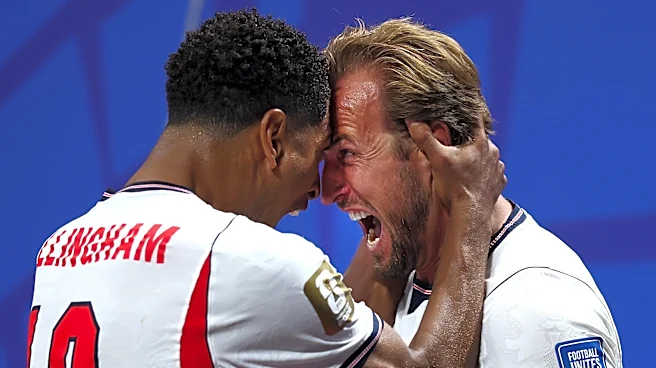
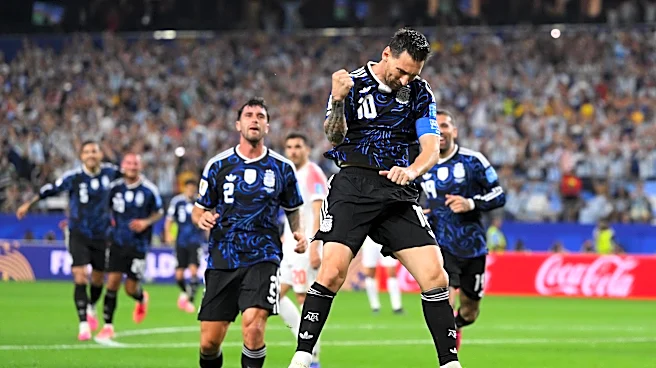
The pinnacle of soccer stardom includes players who are household names from Boston to Beijing. France's Kylian Mbappé, a player with blistering speed and a World Cup title already under his belt, is a prime example. Then there's England's Jude Bellingham and Brazil's Vinícius Júnior, both key players for Real Madrid, arguably the world's most famous club. Norway's Erling Haaland is a pure goal-scoring phenomenon for Manchester City. These players command transfer values well over $150 million and are perennial contenders for the sport's highest individual honor, the Ballon d'Or. They are the faces of global brands like Nike and Adidas, and their teams are often the favorites to win it all. And that’s without mentioning the living legends, Lionel Messi and Cristiano Ronaldo, who are still massive global figures in what will likely be their final World Cup appearance.
America's Best: Talented, But Different
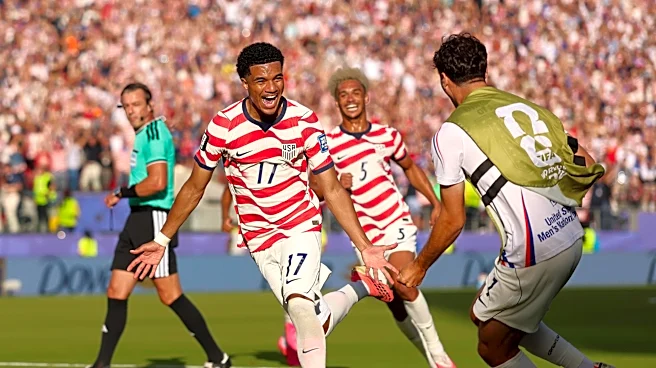
The USMNT's roster is the strongest it's ever been, filled with players succeeding in Europe's top leagues. Christian Pulisic, nicknamed "Captain America," is a dynamic attacker for Italian giant AC Milan and a proven performer for the national team. Striker Folarin Balogun is a top talent at AS Monaco in France, and midfielders Weston McKennie and Tyler Adams are seasoned veterans of the intense European club scene. These players are legitimate stars in the American context and crucial pieces of the national team puzzle. However, their roles at their clubs are typically as key contributors or specialists, not the franchise-carrying centerpiece. They are closer to being NBA All-Stars than league MVPs—elite, respected, and vital, but not the titans who dominate the global conversation.
Why Does This Gap Even Exist?
The gap is rooted in culture and infrastructure. In Europe and South America, soccer is an undisputed cultural king. The best young athletes are identified early and funneled into elite professional academies connected to legendary clubs. This century-old pipeline consistently produces world-class talent because the entire system—from coaching to competition—is built to create superstars. In the United States, the sporting landscape is more fractured. The most gifted athletes are often drawn to American football, basketball, or baseball. While U.S. soccer development has improved dramatically, it's still competing for talent and attention. As a result, no nation outside of Europe or South America has ever won the men's FIFA World Cup, a testament to this deep-seated structural advantage.
So, Can Teamwork Actually Trump Stardom?
Absolutely. This is the beauty of soccer and the hope for the USMNT. History is filled with examples of less-heralded teams built on chemistry, tactical discipline, and relentless effort defeating squads with more individual brilliance. The U.S. team's identity is forged in its collective strength. They are known for their athleticism, pressing, and unity—qualities that can disrupt more talented opponents, especially with the energy of a home crowd behind them. The American path to a deep tournament run doesn't depend on one player taking over. It relies on a well-drilled, cohesive unit where the whole is greater than the sum of its parts. It's about being the toughest, most organized team on the field, not just the one with the biggest name on the back of the jersey.