





The High Wire Act of 'Dumb' Humor
The greatest trick broad comedy ever pulled was convincing the world it was effortless. A pratfall, a spit-take, or a perfectly delivered, idiotic line can look like inspired chaos, but it's more like a magic trick. Every element is meticulously engineered.
Physical comedy, in particular, requires an astonishing level of control and precision from performers. It’s a dance of choreography, rehearsal, and a willingness to abandon vanity for the sake of a laugh. In a prestige dramedy, an actor’s process might involve deep emotional exploration to find a character's inner truth. A broad comedy actor has to do that while also calculating the exact physics of slipping on a banana peel so it looks both accidental and hilarious, a skill that is anything but simple.
No Hiding Behind Ambiguity
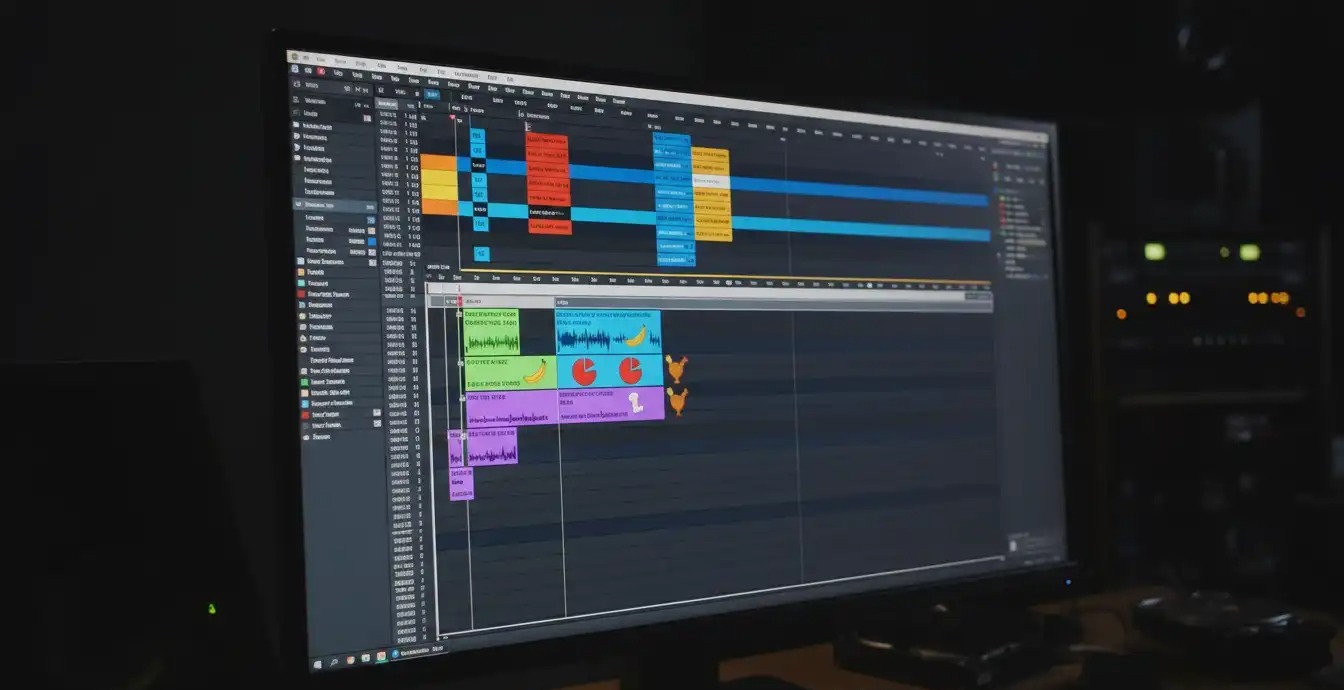
In a serious drama, a line of dialogue that doesn't quite connect can be interpreted as thematic nuance or subtext. A lingering, silent shot can be profound. In a broad comedy, there is no such safety net. A joke either gets a laugh or it doesn't. The feedback is binary and brutal. This puts immense pressure on the writing and editing. The rhythm of a scene, the timing of a cut, and the structure of a joke must be mathematically precise. While dramatic editing builds tension or reveals emotion, comedic editing is often about the ruthless pursuit of a laugh, where a single frame can be the difference between a classic gag and a cringeworthy silence. There’s no hiding a failed punchline behind artistic interpretation.
The Unforgiving Audience
Dramatic actors often speak of drawing on real-life tragedy to fuel a performance. This creates a recognizable, often relatable emotional state. Comedy frequently asks performers to generate that same level of devastation over something absurd, like a stolen sandwich or a dead goldfish. The actor has to commit to that heightened reality with total sincerity. Furthermore, the audience for a drama is often on the same emotional journey as the characters. In comedy, the audience is often positioned to feel the opposite of the character on screen; their panic is our pleasure, their failure our fun. This creates a more complex relationship between the performance and the viewer, one that requires manipulating audience expectations with a surgeon’s skill.
The Illusion of Low Stakes
Prestige dramedies deal with death, addiction, and systemic injustice. Broad comedies might revolve around two well-meaning fools trying to return a briefcase. It's easy to see which one feels more important. But from a craft perspective, creating believable high stakes in a low-stakes world is a massive challenge. The writers and actors must make us believe that, for the characters, preventing their parents from getting married is as life-or-death as closing a major criminal case. This commitment to extreme goals, often for ridiculous reasons, is the engine of many great comedies. It demands a specific type of creative discipline to ground the absurd in emotional reality, making us care about the outcome of something utterly preposterous.