






The Intimacy of Candlelight
Unlike the sprawling, sun-drenched landscapes that often defined *Game of Thrones*, its prequel feels deliberately claustrophobic. Much of the action unfolds indoors, in chambers lit not by grand windows, but by the soft, flickering glow of candles. This
isn't just a stylistic choice to make the world feel authentically medieval; it's a narrative tool. The limited light forces characters—and the audience—to lean in closer. Conversations held by candlelight feel more intimate, secretive, and fraught with tension. When Alicent Hightower visits a sickly King Viserys in his dimly lit rooms, the low light underscores her isolation and the conspiratorial nature of her whispers. When Rhaenyra and Daemon Targaryen share a moment on the shores of Driftmark, the darkness around them creates a private world where their forbidden desires can exist. The showrunners use this limited light to shrink the world down to the space between two faces, reminding us that this epic civil war begins not on a battlefield, but in the private, guarded conversations of a single, broken family.
The Politics of Shadow
If candlelight creates intimacy, shadows create ambiguity and danger. *House of the Dragon* weaponizes darkness to communicate unspoken threats and moral decay. Characters are constantly half-shrouded, their expressions obscured, forcing us to question their true motives. Think of Otto Hightower, whose face is so often partially hidden, reflecting his status as a master manipulator operating from the periphery. Or Larys Strong, who seems to emerge from the darkest corners of the Red Keep to deliver his venomous intelligence. The most powerful use of shadow, however, is reserved for King Viserys. As his body decays from leprosy, he is increasingly seen in silhouette or with his face covered by a golden mask. The shadow consuming him is a literal representation of the darkness consuming his family line. In the controversial seventh episode, “Driftmark,” the seaside confrontation is so dark that viewers complained they could barely see. But that was the point. The physical darkness mirrored the moral murkiness of the characters’ actions, from Aemond claiming Vhagar to the violent brawl between the children. In this world, the most monstrous acts happen when no one can clearly see.
The Weight of Silence
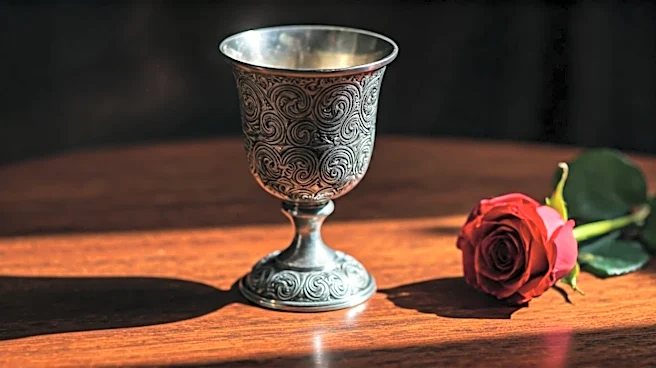
For a show about “fire and blood,” *House of the Dragon* understands the immense power of quiet. Composer Ramin Djawadi’s score is noticeably more restrained than his work on *Game of Thrones*, often giving way to long stretches of uncomfortable silence. The most explosive moments aren’t accompanied by swelling orchestras, but by the deafening absence of sound. Consider the family dinner in episode eight. As Viserys, frail and dying, pleads for his family to make peace, the tension is held in the long, agonizing pauses between sentences. Every clink of a goblet, every scraped chair, every sharp intake of breath feels like a gunshot. The silence is where the real dialogue happens: the resentments, the unspoken accusations, and the fragile, fleeting moments of connection. When Aemond delivers his mocking toast to his “strong” nephews, the horror lands not in his words, but in the stunned quiet that follows. This silence gives the characters’ glances and subtle shifts in posture the weight of entire monologues. It’s a brave, confident form of storytelling that trusts the audience to understand that in a court built on lies, the truth is found in the spaces between words.
A Language of Glances
Ultimately, the candles, shadows, and silence all serve the same purpose: they elevate the non-verbal. They force the actors to communicate complex emotions—jealousy, ambition, love, and hatred—through the slightest narrowing of the eyes or a deliberate turn of the head. The central conflict between Rhaenyra and Alicent is a masterclass in this visual language. For years, their feud simmers beneath a veneer of courtly etiquette. Their real war is fought in charged looks across the Small Council table and pointedly ignored greetings in the halls of the Red Keep. When Alicent arrives at Rhaenyra’s wedding feast in a green dress—the color of the Hightower war banner—she doesn’t need to say a word. The action is a declaration of war, understood by everyone in the room. By stripping away exposition and bombast, the show creates a palpable atmosphere of paranoia. The audience, like the characters, must learn to read the room, to interpret the meaning of a held gaze, and to fear what lurks just beyond the reach of the candlelight. It’s a narrative technique that makes the drama far more personal and immersive, proving that the loudest conflicts are often the ones that are never spoken aloud.