






From a Lone Survivor to an Unlikely Duo
The most significant departure from The Martian is the shift from isolation to collaboration. Mark Watney’s journey on Mars is a solitary one. He’s a man against the universe, and his internal monologue, delivered via log entries, is our only companion.
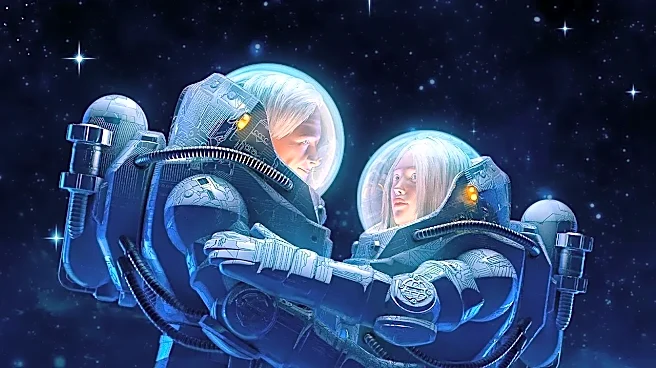
It’s a masterful study in self-reliance. Project Hail Mary, however, centers on the relationship between amnesiac astronaut Ryland Grace and an alien being he affectionately names Rocky. This “buddy film” dynamic, as some have described it, infuses the story with warmth, humor, and a profound sense of connection that stands in stark contrast to Watney’s lonely struggle. The story becomes less about one man’s survival and more about two beings from different worlds finding common ground to solve a mutual crisis. That friendship is the undeniable heart of the novel.
A Different Breed of Hero
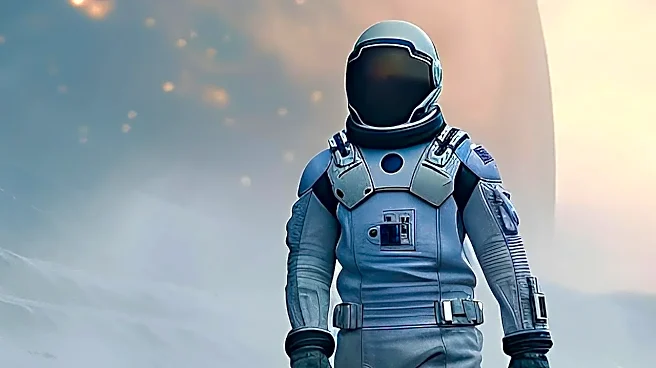
Mark Watney is competence personified. He’s an astronaut and a brilliant botanist who, despite the odds, never seems truly broken by despair. His confidence and snarky humor are his armor. Ryland Grace is a different kind of protagonist. He starts the story with amnesia, piecing together his identity and mission alongside the reader. He isn't a career astronaut but a middle-school science teacher who reluctantly found himself on a suicide mission. This makes him more of an everyman, full of self-doubt and a relatable sense of being in over his head. While Watney feels like a hero you admire, Grace feels like a hero you are. His journey is more emotional, grappling with themes of sacrifice, fear, and what it means to step up when you feel wholly unqualified.
Science Grounded in Wonder, Not Just Survival
Both novels are celebrated for their commitment to scientific accuracy. The Martian is a masterclass in near-future engineering and problem-solving: how do you grow potatoes on Mars? How do you generate water? It’s grounded and gritty. Project Hail Mary retains the meticulous science but applies it to a far more speculative and awe-inspiring canvas. The challenges involve theoretical astrophysics, alien biology, and first contact. The science serves not just the goal of survival, but the thrill of discovery. It grapples with bigger, more existential questions about the nature of life in the universe. For readers who may have found the relentless focus on engineering in The Martian a bit dry, Hail Mary broadens the scope to include a sense of cosmic wonder and imagination that feels both fresh and expansive.
Stakes on a Galactic Scale
In The Martian, the stakes are intensely personal and compelling: one man's life hangs in the balance, and all of Earth tunes in to watch the rescue mission unfold. In Project Hail Mary, the stakes are exponentially higher. It's not about saving one person; it's about one person trying to save all of humanity—and another species, too. The sun is dimming, threatening a new ice age and mass extinction on Earth. Ryland Grace is literally humanity's last hope. This shift elevates the narrative from a gripping survival tale to a sweeping epic. The fate of entire worlds rests on the success of Grace and Rocky’s mission, adding a layer of philosophical weight and urgency that distinguishes it from its predecessor.