






The Easy Part: Monsters and Mayhem
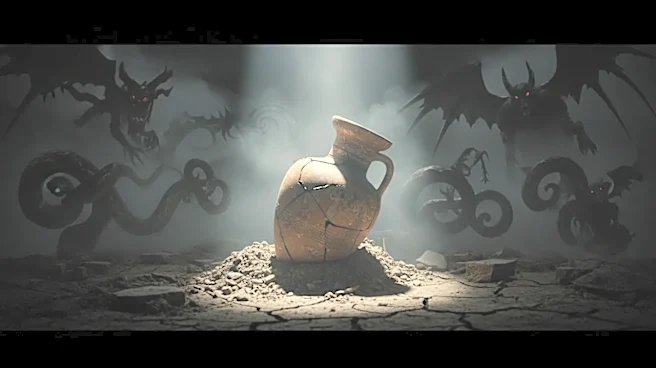
For any filmmaker adapting Homer’s epic, the first half is a gift. A one-eyed giant, a witch who turns men into pigs, a six-headed sea beast—these are clear, external conflicts perfect for the big screen. The 1954 classic starring Kirk Douglas and the 1997
miniseries with Armand Assante both reveled in these set pieces, using the best effects of their day to bring the fantastical journey to life. These episodes are straightforward hero-versus-monster tales. Odysseus must use his famous cunning to survive, and the audience gets a thrilling adventure. It’s a clean, episodic structure that translates easily into action sequences. The monsters are visual, their threat is physical, and Odysseus’s victory is definitive. But the story's center of gravity shifts dramatically once he finally washes ashore on his home island of Ithaca.
A Hero in Hiding
When Odysseus returns after 20 years, he doesn’t stride into his palace and reclaim his throne. Instead, guided by the goddess Athena, he disguises himself as a wretched old beggar. For nearly a third of the poem, the great hero is shuffling, humbled, and unrecognizable. This presents a fundamental cinematic problem: your star, the larger-than-life hero, must spend multiple scenes being passive, observant, and abused by lesser men. He endures taunts and even physical blows from the suitors who have overrun his home. This slow-burn narrative is about testing loyalties—who still honors the old king? His son? His wife? His servants? While deeply resonant on the page, it’s a tough sell for a visual medium that thrives on action. Making an audience watch their hero do nothing is a risky and profoundly un-blockbuster choice. The tension is all internal: his struggle for patience, the dramatic irony of his hidden identity, and his quiet assessment of a home that is no longer his.
Justice or Vengeance?
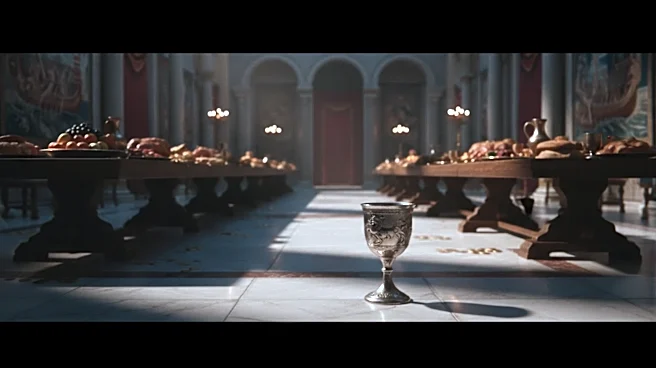
The climax of the homecoming isn’t a battle against a monster; it’s the systematic slaughter of over 100 suitors in a locked hall. In Homer’s text, this is righteous justice. The suitors violated the sacred laws of hospitality, devoured his wealth, and plotted to murder his son. But for modern audiences, the scene is jarringly brutal. Odysseus, with help from his son Telemachus, shoots the lead suitor, Antinous, through the throat without warning. When another suitor pleads for mercy and offers to make restitution, Odysseus refuses and proceeds to kill every last one. It’s not a clean fight; it’s an execution. Filmmakers have consistently struggled with this, often reframing it as self-defense, as in the 1954 film where the suitors attack first. Recent adaptations like 2024's The Return lean into the brutality, framing it as an act of post-war trauma, where the hero's capacity for violence has outlasted the war itself. It forces a difficult question: Is this the triumphant return of a king, or a horrific massacre led by a man irrevocably damaged by war?
The Queen’s Gambit
After the slaughter, the story should logically end with a tearful reunion between Odysseus and his faithful wife, Penelope. But Homer denies us that simple catharsis. Penelope, ever cautious, refuses to believe it’s truly him. She fears it’s a trick from the gods or an impostor. What follows is not a passionate embrace but a test of wits. She probes and questions him, her skepticism a powerful defense mechanism after two decades of grief and uncertainty. The true climax comes when she tests him with a secret only they would know: the construction of their marriage bed, which Odysseus himself built around a living olive tree. When he angrily describes this unmovable bed, she finally breaks down, her doubt erased. This is the poem's emotional core, but it is pure psychological drama—a quiet, tense conversation between two traumatized people trying to find their way back to each other. It’s a scene about trust, identity, and shared memory, things far more subtle and difficult to portray than a swordfight.
The Ending After the Ending
For two millennia, scholars have debated whether the epic truly ends with Book 23's reunion or with the messy, often-ignored Book 24. This final chapter deals with the aftermath: the souls of the suitors are led to the underworld, Odysseus has a stilted reunion with his grieving father, Laertes, and the families of the dead suitors gather to take revenge. A new civil war is about to erupt on Ithaca before Athena descends from Olympus to command everyone to make peace. Most film adaptations cut this part entirely. It feels anticlimactic, raises more problems than it solves, and ends with a literal deus ex machina. The hero, having just reclaimed his kingdom, immediately faces a violent insurrection from his own people, undermining the sense of a tidy, happy ending. It confirms that coming home is not an event, but a complicated, ongoing process of rebuilding a broken world.