
Wandering the aisles of a store, you're faced with a wall of cozy wool sweaters and coats. Some are fuzzy and soft, others dense and structured. They're all wool, but they're not all the same. Here’s what sets them apart.
Brushed Wool: The Soft and Lofty One
If you've ever snuggled into a
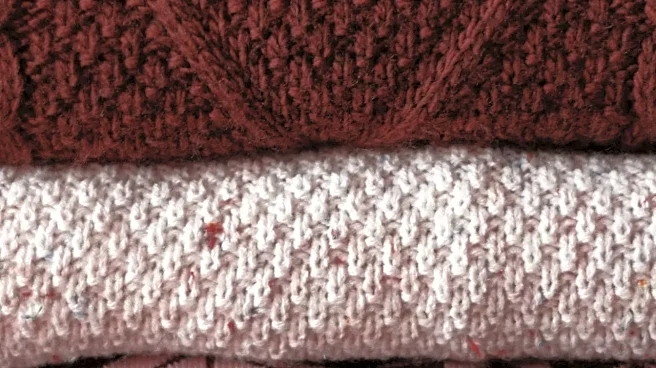
sweater that felt like a warm cloud, you've likely met brushed wool. This finish is all about texture. The process is straightforward: after a standard wool fabric is knitted or woven, it's mechanically brushed with fine, wire-bristled rollers. This technique gently pulls up individual fibers from the fabric's surface, creating a soft, fuzzy halo. This raised nap traps air, which not only gives the material its signature plush feel but also boosts its insulating properties, making it feel extra warm and cozy. Brushed wool is prized for its supreme softness against the skin, but that fuzziness can come with a downside. The raised fibers are more prone to pilling over time, especially in high-friction areas. You'll most often find brushed wool used for items where comfort is paramount, like your favorite everyday pullover, soft cardigans, and throw blankets that invite you to curl up on the couch.
Boiled Wool: The Dense and Structured One
Boiled wool is what happens when you shrink a wool sweater on purpose, but with much better results. The process, technically called 'fulling', starts with a finished piece of knitted or woven wool fabric. This fabric is then agitated in hot water, which causes the microscopic scales on the wool fibers to open up and lock together. The fabric can shrink by as much as 50%, resulting in a material that is significantly denser, thicker, and more compact than it started. This transformation gives boiled wool its most valuable qualities: it's incredibly warm, highly resistant to wind and water, and because the fibers are so interlocked, it doesn't fray when cut. This allows for garments with clean, raw edges. While it loses some of the drape of the original knit, it gains structure, making it the perfect material for tailored pieces like classic Austrian-style jackets, durable coats, structured vests, hats, and sturdy house slippers.
Felted Wool: The Matted and Artistic One
While boiled wool starts with a pre-existing fabric, felted wool is created from the ground up using loose, un-spun wool fibers, often called roving. It's a non-woven textile, and likely one of the oldest in human history. To make it, layers of these raw fibers are combined using moisture, heat, and intense agitation (like rolling and pressing). This forces the fibers to mat and entangle into a single, cohesive sheet of fabric. The result is a dense, strong, and often stiff material with a unique, slightly fluffy, matted texture where no weave or knit pattern is visible. Because it's a solid mass of interlocked fibers, felt is extremely durable, holds its shape well, and can be cut into any shape without unraveling. This makes it a favorite for a huge range of applications, from industrial uses and sound-dampening panels to high-end fashion accessories and countless craft projects. You'll find it used in durable bags, stylish hats, and colorful decorative items.
Which Wool Is Right for You?
Choosing the right wool really comes down to what you need it to do. For unparalleled softness and a cozy, casual feel, brushed wool is your best friend; just be prepared for a little maintenance to manage pilling. For structured, weather-resistant outerwear that needs to hold its shape and keep you warm in the wind, boiled wool is the superior choice. Its density provides warmth and durability without the stiffness of some heavier coats. And for crafting, durable accessories, or items where a thick, non-fraying material is essential, felted wool offers unmatched versatility and sturdiness. Each process gives the natural wool fiber a different set of superpowers, tailored for a specific purpose.