


The Pre-Show Blueprint
The content strategy for an event like the VMAs begins weeks, not hours, before the limousine arrives. This is the planning phase, where an artist’s team—publicists, social media managers, stylists, and personal assistants—maps out the entire night. They
script everything from the 'Get Ready With Me' TikToks and Instagram stories to the specific talking points for red carpet interviews. Brand partnerships are locked in, dictating which designer’s jewelry gets a close-up shot and which makeup brand gets a product-placement tag. The team prepares a portfolio of pre-approved photos and video concepts, ensuring every piece of content aligns with the artist's current brand narrative, whether it’s teasing a new album, promoting a tour, or simply solidifying their status as a fashion icon. This preparation ensures that even seemingly candid moments are part of a larger, cohesive story.
The Real-Time 'War Room'
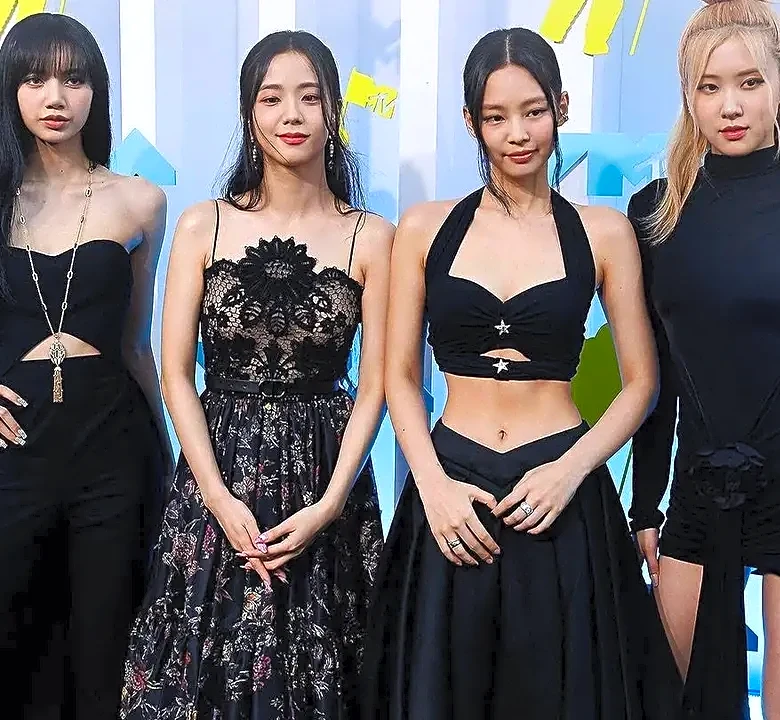
During the actual show, the artist may be in the audience, but their social media team is in a 'war room'—a term borrowed from political campaigns and tech companies. This command center, which could be a hotel suite or even just a dedicated group chat, is a hub of real-time activity. One person posts live updates from the red carpet, another monitors fan reactions and trending topics, and a graphic designer creates memes on the fly. A personal photographer, separate from the official event photographers, shadows the artist to capture exclusive, behind-the-scenes images that feel more intimate and authentic. This team’s job is to react instantly, whether it’s capitalizing on a surprise win, an unexpected interaction with another celebrity, or a viral fashion moment. They are listening to the online conversation and actively shaping it, ensuring their artist remains at the center of the buzz.
The Week-Long Afterglow
The days following the VMAs are when the bulk of the content is strategically deployed. The goal is to extend the 'moment' into a 'movement,' keeping the artist in the news cycle and on social feeds long after the event has ended. The first 24 hours are critical, filled with 'photo dumps' of high-quality, curated images. These aren't just random snapshots; they are carefully selected to tell a story: the pre-show nerves, the on-stage triumph, the post-show celebration. This is followed by a stream of other content: video clips of their performance, 'thank you' posts to designers and fans, links to press coverage, and engagement with fan-generated content like art and covers. By spacing out these posts, the team creates a sustained narrative arc that dominates feeds and keeps engagement metrics high for the entire week.
More Than Just Likes and Shares
Ultimately, this exhaustive effort is about much more than just accumulating likes. It's a sophisticated marketing operation designed to build and monetize a brand. A successful VMA content blitz can translate directly into tangible results: a spike in music streams, increased ticket sales for an upcoming tour, and more lucrative brand partnership opportunities. It’s also about narrative control. By flooding the zone with their own high-quality, on-brand content, the team ensures their carefully crafted image of the artist drowns out any less-flattering, unauthorized photos or negative commentary. It reinforces the artist’s relevance, strengthens their connection with their fanbase, and solidifies their position in the pop culture hierarchy. In the modern music industry, winning the night is good, but winning the week online is where the real power lies.