




The Weight of a Legacy
By 1997, Soundgarden was a titan of modern rock, but the machinery that powered their success was grinding them down. The band announced an amicable split, but the reasons ran deeper than a simple statement. Years of relentless touring, recording, and the external
pressures of the music business had taken their toll. In later interviews, Cornell explained the breakup was a reaction to the “periphery”—everything outside of writing and playing music. The members were exhausted not by their art, but by the industry surrounding it. The split wasn’t born of animosity, but burnout and a sense of creative stagnation within the demanding cycle of album-tour-album. This exhaustion would heavily influence Cornell's perspective on any potential reunion for over a decade.
Forging a New and Powerful Identity
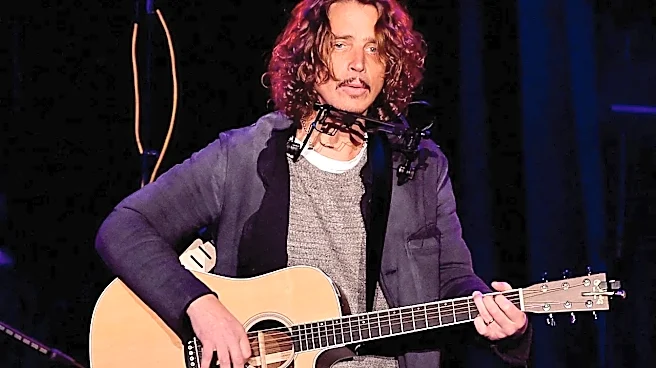
Chris Cornell didn't fade away after Soundgarden; he roared back with a new identity. Teaming up with the instrumental engine of Rage Against the Machine—Tom Morello, Tim Commerford, and Brad Wilk—he formed Audioslave in 2001. The supergroup was an immediate and massive success. Their 2002 self-titled debut sold millions of copies, and hits like "Like a Stone" and "Show Me How to Live" became rock radio staples. Audioslave wasn't a side project; it was a juggernaut that released three successful studio albums. This period was crucial. Cornell proved he wasn't dependent on his past. He was a vital, contemporary artist creating new, successful music. This success afforded him the creative and financial freedom to be selective, reinforcing his desire not to look backward unless the conditions were perfect.
The 'Nostalgia Act' Problem
Throughout the 2000s, as reunion tours became a lucrative trend, the question of a Soundgarden comeback was constant. Cornell’s reluctance was rooted in a core artistic principle: he refused to let Soundgarden become a nostalgia act. In multiple interviews, he expressed a deep aversion to simply cashing in on past glories. He felt that getting back together just to play the hits would be a disservice to the band's legacy and its fans. For Cornell, a reunion had to be about moving forward. He often stated that the only reason to reform was to create new, vital music that pushed the band's sound into the future. This wasn't a refusal to honor his past—he was fiercely protective of it. His stance was that Soundgarden's legacy was too important to be tarnished by a creatively empty victory lap.
The Reunion on Their Own Terms
The 12-year break finally ended on January 1, 2010, when Cornell famously tweeted, "school is back in session." Yet, the reunion didn't begin with a massive tour offer. It started with the band members getting together to manage their legacy, which they felt had been neglected. Seeing the interest generated by their renewed communication, they decided the time was right, but only under their own conditions. They eased back in with a few shows before fully committing. The key condition Cornell had held out for was met: they began writing new music. The result was 2012's 'King Animal,' an album that was widely seen as a genuine artistic continuation, not a throwback. Cornell’s long-standing refusal wasn't a rejection of his bandmates or their music; it was a principled stand that ensured when Soundgarden did return, it was for the right reasons.