






A Principled Stand on a Stereotype
Long before his name was known in households worldwide, Chadwick Boseman was a trained actor and aspiring director trying to find his footing. In 2003, he landed a role on the daytime soap opera All My Children. It was a steady gig, but one that quickly
conflicted with the principles he held. The character, Reggie Montgomery, was written as a young, angry gang member from a broken home—a portrayal Boseman found to be a harmful stereotype. In a 2018 commencement speech at Howard University, he recalled being conflicted by a role that seemed “wrapped up in assumptions about us as Black folk.” He voiced his concerns to the producers, questioning the character's backstory and motivations. The response was swift: he was fired. They told him he was “too much trouble.” The role was subsequently recast with a young Michael B. Jordan, who would one day become his co-star in Black Panther.
The Director's Chair Was Calling
Getting fired for his convictions was a difficult blow that compounded a growing sense of disillusionment. Boseman had originally studied directing at Howard University, with acting being a way to better understand how to communicate with actors. His early career was rooted in theater, where he was an accomplished playwright and director. After moving to Los Angeles in 2008 to pursue acting more seriously, he landed a few recurring television roles but felt the meaningful work was eluding him. The combination of being let go for speaking up and the constant grind of searching for roles that didn't compromise his integrity led him to a breaking point. He was seriously considering giving up acting to focus entirely on his first love: directing. It seemed the more stable and fulfilling path.
One Last Audition Changes Everything
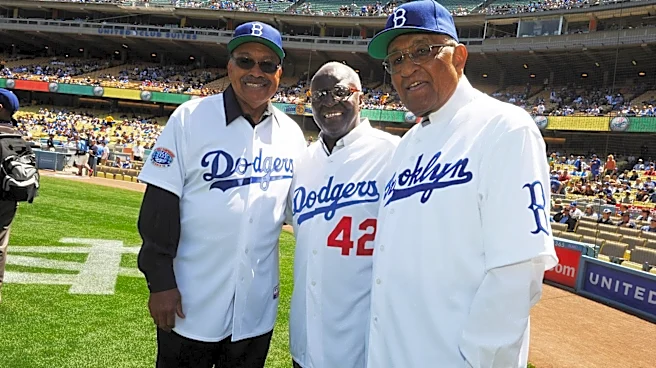
Just as he was contemplating this major career shift, an opportunity arose that would alter the course of his life. He was directing an off-Broadway play when he was called to audition for the lead role in the film 42. The movie was a biopic about Jackie Robinson, the legendary baseball player who broke the sport's color barrier. Dozens of actors were considered, but director Brian Helgeland was struck by Boseman's presence and bravery. The role was a perfect fit for an actor who had consistently fought for dignity in his portrayals. It allowed him to embody a real-life hero who faced down prejudice with immense strength and character—the very qualities Boseman sought in his work. He landed the part, and his breakthrough was secured. 42 became a critical and commercial success, launching him into the public consciousness.
From Breakthrough to Global Icon
The success of 42 proved that Boseman’s instincts were right. He followed it with powerful portrayals of other icons like James Brown in Get on Up and Thurgood Marshall in Marshall. These roles solidified his reputation as an actor capable of immense transformation and depth. His career choices reflected a deep commitment to telling stories that illuminated the Black experience with strength and integrity, deliberately avoiding roles that perpetuated negative stereotypes. This path eventually led him to the Marvel Cinematic Universe, where he was offered the role of T'Challa without even an audition. He brought the same principled conviction to that role, insisting the character speak with an African accent to reflect Wakanda's uncolonized history. His early frustrations and near-exit from acting had forged a resolve that would define his most iconic work.