






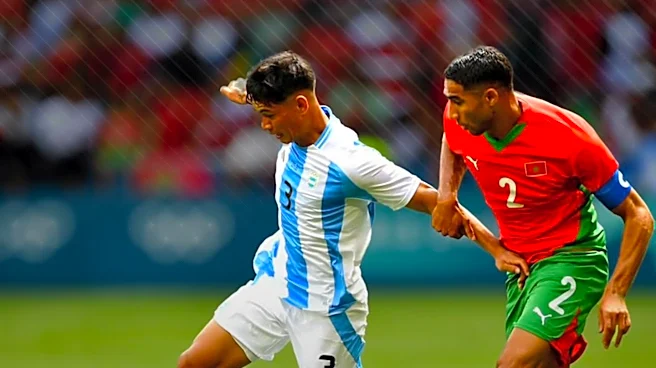



More Than Just an Armband
On the surface, a captain is just a player with an extra piece of cloth on their sleeve. Their formal duties are often minimal—a coin toss here, a word with the referee there. But the role is profoundly symbolic. The captaincy is a formal designation
of leadership that transforms a player into the living embodiment of the team's spirit. They are chosen, whether by a coach or their peers, as the person who best represents the group's values, determination, and goals. This selection elevates them. They are no longer just one of the players; they are the focal point, the one tasked with setting the emotional and competitive tone. They are expected to be a model for their teammates, a standard-bearer for hard work and respect. In the heat of competition, when a team needs a steady hand or a jolt of inspiration, all eyes turn to the captain.
A Nation’s Story in a Single Face
When a team represents a nation, the captain’s role magnifies exponentially. They become a narrative shortcut, a single character through whom the media and the public can process a complex story of national aspiration. Their personal journey—their struggles, their triumphs—is projected onto the nation itself. Consider the immense pressure on Lionel Messi for years as Argentina's captain. Before finally leading his country to World Cup glory, his every pained expression was interpreted as the anguish of a nation that perennially fell short. His eventual triumph was not just a personal victory but a national catharsis. We see our collective anxieties and desires mirrored in their performance. It's an unfair burden, reducing a complex team sport to the story of one individual, but it's a powerful and irresistible simplification. They become the protagonist in a story we all desperately want to have a happy ending.
The Burden of Transcendent Leadership
For a rare few, the captaincy becomes a platform that transcends the sport entirely. They don't just carry the hope of winning a game; they carry the hope of changing a country. The most powerful example is Didier Drogba. In 2005, after securing Ivory Coast's first-ever World Cup qualification, Drogba grabbed a microphone in the locker room. With his teammates kneeling beside him, he addressed his nation, then fractured by a bitter civil war. He begged his countrymen to lay down their arms and hold elections. The speech was played relentlessly on Ivorian television, and it is credited with helping to bring the warring factions to the negotiating table and inspiring a ceasefire. Drogba later insisted a crucial qualifying match be played not in the capital but in the rebel-held stronghold of Bouake, a powerful act of unity. It’s a near-mythical story, but it reveals the unique power a captain can wield when they understand their role extends far beyond the field of play.
The Modern Captain as Public Conscience
In today's hyper-connected world, the captain's role is evolving once again. They are increasingly expected to be not just on-field leaders but public figures with a clear moral compass. Megan Rapinoe, as co-captain of the U.S. Women's National Team, became as famous for her outspoken advocacy for gender pay equity and social justice as for her on-field brilliance. Rapinoe embraced the platform, understanding that her status as a leader in her sport gave her a powerful voice on issues far beyond it. Her willingness to speak out, even when it was controversial, provided a rallying point for fans and teammates alike, showing that a captain's leadership can also be a form of social activism. This brand of leadership demonstrates that influence is no longer confined to the 90 minutes of a match.