






What Is ‘Smart’ Library Programming?
This isn’t just about airing reruns. ‘Smart library programming’ is a deliberate strategy of curation that turns old content into a new event. Instead of letting viewers endlessly scroll, linear cable channels are organizing their existing assets into themed
blocks, weekend marathons, and curated collections. Think of a movie channel running a “Creature Feature” week, a comedy network dedicating a holiday to a single beloved sitcom, or a historical block built around a specific anniversary. These programming blocks create a sense of occasion and make it easy for viewers to find shows they enjoy without feeling overwhelmed. By packaging familiar content in a fresh wrapper, networks create a lean-back, curated experience that directly contrasts with the “choice fatigue” many feel when navigating massive streaming platforms.
The New Economics of Old TV
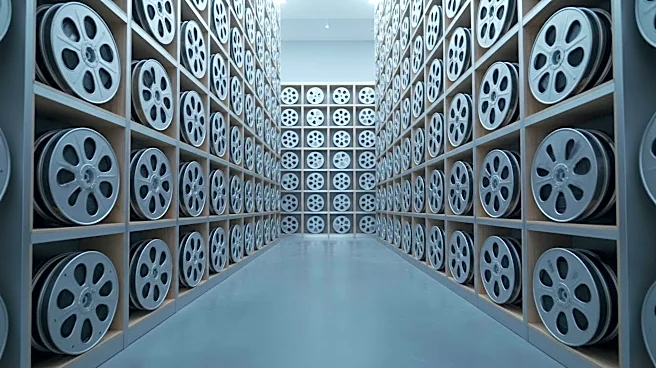
The financial logic is undeniable. Producing new, high-quality television is incredibly expensive and risky. Meanwhile, the legacy shows and films sitting in a company’s vault are assets that have already been paid for. For cable networks facing declining subscription revenue and intense competition, monetizing this owned content is a low-cost, high-margin lifeline. Every hour of the broadcast schedule filled with a library title is an hour they don't have to spend millions on developing something new that might not find an audience. This allows networks to build long-term relationships with viewers and gain strategic independence from the constant pressure to produce the next big hit. It’s a shift from renting audience attention with fleeting campaigns to owning it with a durable, cost-effective content ecosystem.
Fighting the Streaming Onslaught
For years, the narrative has been that cable is losing to the infinite choice offered by on-demand streaming. But smart library programming reframes this battle. Where streaming offers a vast, algorithm-driven warehouse of options, curated linear TV provides a hand-picked playlist. It’s the difference between a Spotify library with 100 million songs and a great radio station that knows exactly what you want to hear on your drive home. This approach helps cable channels establish a clear brand and identity, something that is difficult when simply serving as one of many content hubs. By offering a predictable but engaging flow of programming, channels like TCM, AMC, and Comedy Central use their libraries not just as filler, but as a core part of their value proposition, giving viewers a reason to tune in specifically to their channel.
Nostalgia as a Modern Moat
Beyond the economic and strategic advantages, there is a powerful emotional component at play: nostalgia. Evergreen content—shows and movies that never get old—provides a sense of comfort and predictability in a chaotic world. Programming blocks like Nick at Nite, which has been successful for decades, are built on this very principle. By leaning into beloved classics from the 80s, 90s, and 2000s, networks are tapping into a deep well of audience affection. This strategy creates an economic moat around their brand. While a new streaming service can spend billions on new content, it cannot easily replicate the decades of cultural resonance built into a show like Friends or a film franchise like Star Wars. This turns a content library from a simple archive into a powerful, defensible asset that strengthens brand identity and secures a loyal viewership.