





The Loneliest Walk in Sports
It begins with a walk. After 120 minutes of frantic, collective effort, a single player is chosen to walk from the center circle to the penalty spot. It’s a 50-yard stroll that feels like a mile, with the hopes of a nation resting on their shoulders.
Every eye in the stadium, and hundreds of millions around the world, are focused on them. There are no teammates to pass to, no complex tactical scheme to hide behind. It is just one player, one ball, and one goalkeeper. This isolation is the ultimate test of individual accountability. A leader isn't just someone who wears an armband; it's someone who can quiet the screaming doubt in their own head, control their breathing, and execute a single, perfect action under unbearable pressure. In this moment, a player's mental fortitude is laid bare. Do they look confident, or are their shoulders slumped? This walk tells you more about a player’s inner character than two hours of open play ever could.
Leadership Is More Than Kicking a Ball
The shootout isn't just five individual duels. It’s a collective exercise in psychological resilience, and that's where true leadership emerges beyond the penalty taker. Watch the players huddling at the halfway line. Who is organizing them? Who is offering a word of encouragement to the nervous-looking 20-year-old? Who is stepping up to take the first, most pressure-filled kick to set the tone? In the 2022 World Cup quarterfinal, after the Netherlands had just staged a dramatic late comeback, Argentina's Lionel Messi didn't shrink. He calmly stepped up and buried the first penalty, a captain’s statement that his team would not be rattled. Leadership is also seen in the aftermath. It’s the player who immediately wraps an arm around a teammate who has missed, shielding them from the cameras and the crushing weight of their error. It's the quiet solidarity that shows the strength of the team’s bond when it matters most.
The Heavy Crown of Stardom
For a team's superstar, a penalty shootout is a moment of immense risk and opportunity. It can define a legacy. The history of the World Cup is littered with these moments. We remember Roberto Baggio, the magnificent Italian forward who carried his team to the 1994 final, for the one kick he skied over the crossbar, handing the trophy to Brazil. The image of him standing, hands on hips in stunned disbelief, is an iconic portrait of sporting heartbreak. Conversely, scoring a decisive penalty can be a star's coronation. It’s a moment where they prove they can deliver when the pressure is at its most absolute. This is the burden of leadership: being the one everyone turns to when the game is on the line. Their willingness to accept that responsibility—to step up and take that kick knowing the world will judge them on its outcome—is a profound measure of their character.
The Goalkeeper as Field General
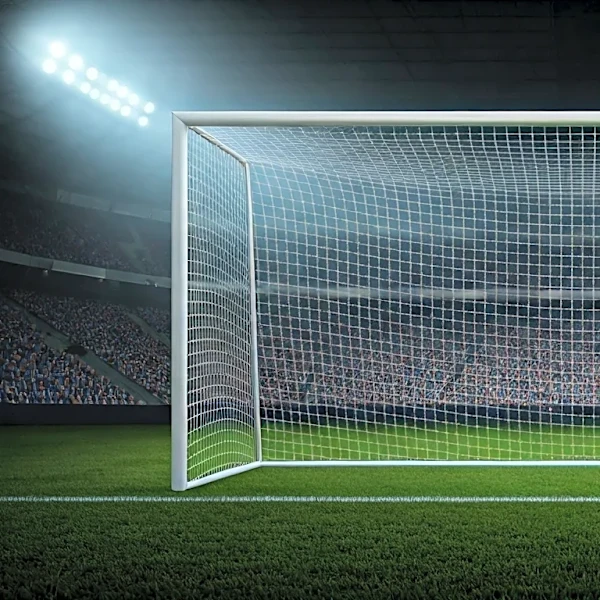
Nowhere is leadership more visible and visceral than in the goalkeeper. They are the lone defender, the final barrier. But in a shootout, their role transforms. They become the protagonist, the conductor of the drama. A great keeper doesn't just try to save the ball; they manage the entire emotional tenor of the event. Think of Argentina's Emiliano Martínez, whose confident swagger and psychological gamesmanship became a defining feature of the 2022 World Cup. He wasn't just guessing which way to dive; he was projecting an aura of invincibility, unsettling the penalty takers before they even placed the ball. His celebratory dances weren’t just bravado; they were a signal to his own team: *I’ve got this. We are in control.* This psychological warfare, this ability to command the moment and lift the spirits of ten exhausted teammates on the halfway line, is a form of leadership as powerful as any captain's speech.