








It’s About ‘Who,’ Not Just ‘What’
The most effective thrillers anchor their suspense in characters we understand and emotionally invest in. When the audience cares deeply about a protagonist, the tension doesn’t come from a shocking plot development, but from the fear of what might happen
to a person whose mind and motivations we’ve come to know. The central question shifts from “What’s the twist?” to “How will they possibly get out of this?” Shows that succeed this fall will be those that spend time developing complex, sometimes tortured, and often relatable figures. The suspense is generated by their internal conflicts and psychological states as they react to external pressures. A well-drawn character spiraling into paranoia or obsession is infinitely more gripping than an anonymous figure in a jump-scare factory. We lean in not to be fooled, but to watch how a character we care about survives an ordeal we’ve been made to dread.
Building a World of Dread
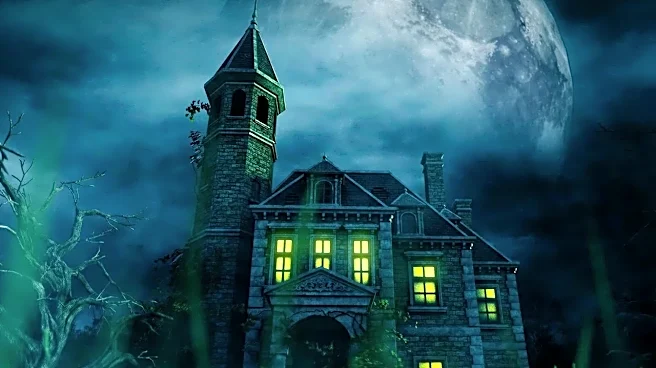
Long before a single shocking event happens, the most skillful thrillers create an atmosphere thick with menace. This is where the genre’s gothic roots often show. Through deliberate sound design, unsettling cinematography, and oppressive settings, a show can make the audience feel that something is deeply wrong. Tension is in the very air the characters breathe. Think of a scene where nothing explicitly dangerous occurs, but the drawn-out silence, the unnatural stillness, or the rhythmic dripping of a faucet creates a palpable sense of anxiety. This is suspense built from the ground up. It relies on the primal fear of the unknown rather than the sudden shock of the unexpected. The feeling of dread becomes a character in itself, ensuring the audience remains on edge even during quiet moments, because the environment itself feels hostile and unpredictable.
The Power of Dramatic Irony
One of the most powerful tools for building suspense is letting the audience in on a secret the protagonist doesn’t know. This technique, known as dramatic irony, is the polar opposite of a plot twist. Instead of surprising the viewer, you give them more information, creating a terrible and delicious tension as they wait for the character to catch up. For instance, we might see the killer hiding in the closet while the hero unknowingly walks into the room. We know the bomb is under the table, but the characters continue their conversation, oblivious. This creates a powerful sense of urgency and helplessness in the viewer. The suspense comes not from a lack of information, but from a surplus of it. We’re forced to watch, powerless, as a character we care about walks toward a danger we can see all too clearly. This method hooks an audience on a deep, emotional level, making them an active participant in the unfolding tension.
The Slow Burn of an Unreliable Mind
Psychological thrillers excel at creating suspense by making the audience question the very reality they are being shown. When a story is told through the eyes of a psychologically stressed or unreliable narrator, the tension stems from the ambiguity of it all. Is the threat real, or a product of the protagonist’s distorted perceptions? This approach turns the character's mind into the primary source of conflict and fear. Rather than relying on external plot mechanics, the story focuses on themes of memory, identity, and manipulation. The suspense builds slowly as the line between reality and delusion blurs. It forces the audience to constantly re-evaluate what they know and who they can trust, creating a quieter, more cerebral form of dread that can be far more unsettling than a last-minute plot reversal.