




The Irresistible Allure of Stardom
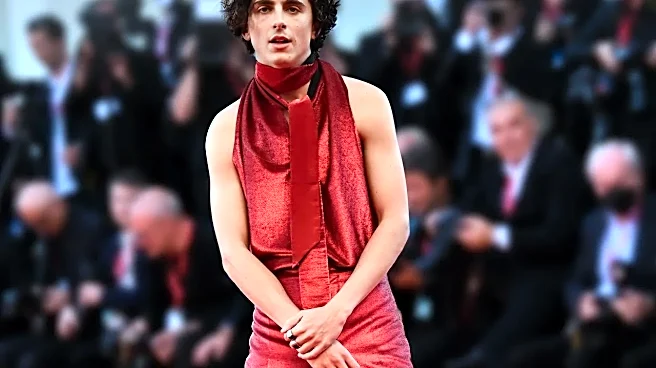
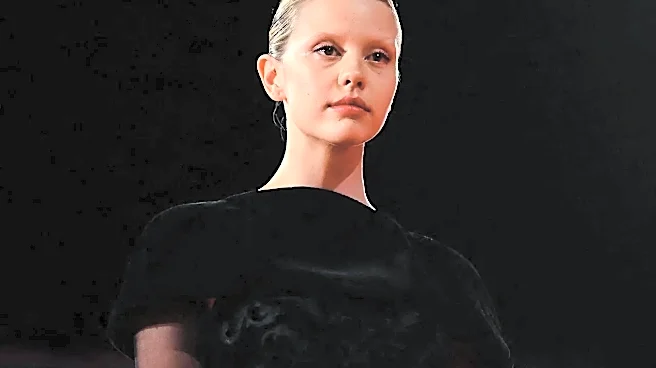
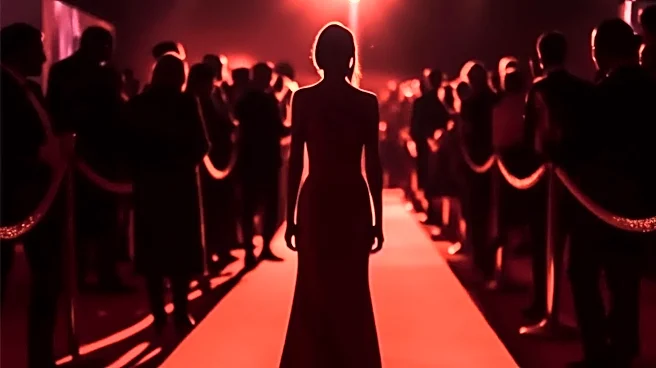
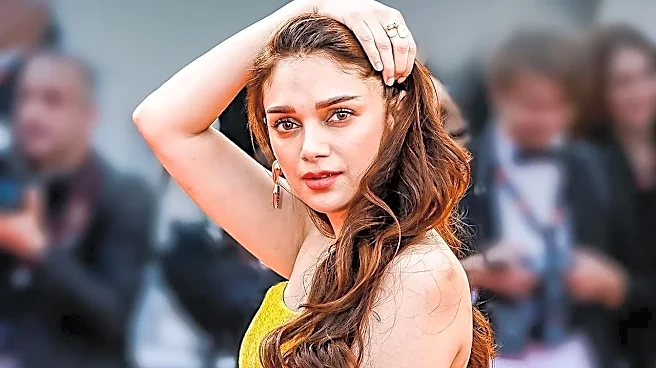
You can’t talk about Venice without talking about the stars. The festival, officially kicking off September 2nd for its 83rd edition, understands that celebrity is its currency. This year, the red carpet will welcome a familiar parade of Hollywood royalty.
George Clooney and Ellen Burstyn are set to receive Golden Lions for Lifetime Achievement, ensuring a heavy dose of legacy glamour. They’re joined by a who's who of anticipated attendees, including Robert Pattinson, Penélope Cruz, and Javier Bardem. These big names front the festival's most commercial films. Pattinson, for instance, stars in "Primetime," a narrative film about the controversial TV show "To Catch a Predator." Martin McDonagh, whose last two Venice premieres—"Three Billboards Outside Ebbing, Missouri" and "The Banshees of Inisherin"—became awards-season heavyweights, returns with the CIA black comedy "Wild Horse Nine," starring John Malkovich and Sam Rockwell. This strategy, curated by artistic director Alberto Barbera, is unapologetically commercial. It generates global headlines, secures lucrative brand partnerships, and positions Venice as the unofficial starting line for the Oscars.
Championing the Arthouse Auteurs
But for every star-studded premiere, there is a quieter, more challenging film waiting in the wings. This is the other half of Venice's soul. The festival is a crucial platform for established masters and emerging voices in world cinema. The 2026 lineup features new works from revered auteurs like Germany’s Werner Herzog (“Bucking Fastard”), South Korea’s Lee Chang-dong (“Possible Love”), and France’s Florian Zeller (“Bunker”). These aren't necessarily the films that will dominate entertainment news, but they are the ones that cement the festival's critical reputation. The Orizzonti (Horizons) section, in particular, is dedicated to showcasing new trends in international film, featuring debut features and works from rising talents. For example, Thai director Phuttiphong Aroonpheng returns this year after his debut, "Manta Ray," won the Horizons top prize in 2018. This commitment to the avant-garde and the undiscovered is what attracts cinephiles and critics, ensuring the festival is a place of genuine artistic conversation, not just a photo opportunity.
The Barbera Doctrine: Art and Industry as One
The man orchestrating this high-wire act is Alberto Barbera, the festival's long-serving artistic director. His programming philosophy is rooted in the belief that art, entertainment, and industry are not mutually exclusive but deeply intertwined. He has openly boasted about Venice surpassing Cannes in its ability to launch Oscar-winning films, a direct result of this blended approach. In recent years, Venice-premiered films have significantly outpaced their Cannes counterparts in both Oscar nominations and wins. Barbera's selections often reflect the anxieties and complexities of the contemporary world, and he has noted that filmmakers are producing darker, more issue-oriented films rather than lighthearted fare. While he has faced challenges, including fewer ready-made blockbusters from major U.S. studios this year, the strategy remains consistent: use star power to draw the world's attention, then direct that attention toward vital, often difficult, works of cinema from around the globe.
Why This Balancing Act Matters
Venice's dual identity isn't a sign of confusion; it's the key to its survival and influence. In an era where the film industry faces seismic shifts, from streaming wars to the rise of AI, a festival must be more than just a single thing. By providing a platform for both a potential blockbuster like Danny Boyle's “Ink” and a politically charged documentary like “NAZA,” which examines Israeli military actions in Gaza, Venice makes itself indispensable. It serves the commercial needs of the Hollywood machine while fulfilling its cultural mandate to promote cinema as an art form in a spirit of freedom and dialogue. This allows it to set the tone for the entire awards season and spark global conversations, ensuring that for twelve days in September, all eyes—and cameras—are rightfully on the Lido.