





Moon Landings and Modern Outerwear
To understand what’s happening with Danish raincoats, you first have to picture the 1960s. As the United States and the Soviet Union raced to the moon, a wave of futuristic optimism swept through culture. Designers like André Courrèges, Pierre Cardin,
and Paco Rabanne began creating fashion for a future they imagined was just around the corner. This “Space Age” look was defined by clean, geometric shapes, new materials like PVC and high-shine vinyl, and a palette heavy on stark whites and metallics. Courrèges’ 1964 collection, with its A-line dresses, flat go-go boots, and helmet-like hats, effectively launched the movement. It was fashion that felt engineered, not just sewn, ready for a world of flying cars and lunar colonies. These weren't just clothes; they were sleek, protective shells for modern life.
The Copenhagen Connection
Flash forward to today. Copenhagen has become a global hub for a very different kind of design: minimalist, functional, and deeply rooted in the practicalities of everyday life, like biking to work in the rain. Brands like Rains and Stutterheim built their reputations on clean, chic, and incredibly effective rainwear that doesn't scream “I’m wearing a poncho.” This Scandinavian design ethos—unfussy, well-made, and stylish—provides the perfect canvas for a Space Age revival. The original '60s look was about stripping away fussy details in favor of a bold, graphic silhouette. That’s a philosophy that aligns perfectly with the Danish approach, creating a natural meeting point between historical futurism and contemporary minimalism.
Anatomy of a Retro-Futurist Raincoat
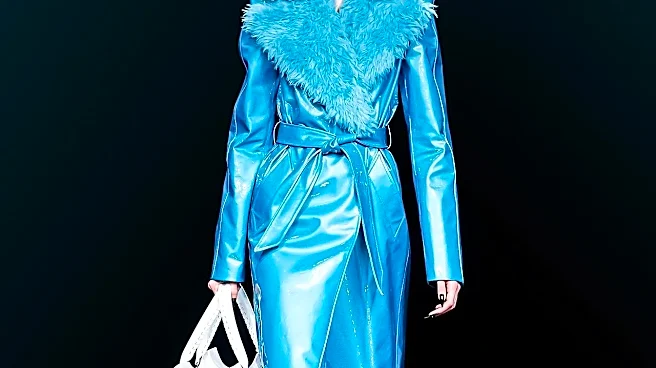
So what does this trend actually look like? It’s all in the details. The most obvious nod is the fabric. Where traditional raincoats might be a matte rubber, brands are increasingly using high-gloss, patent, and translucent finishes that echo the PVC and vinyl obsession of the '60s. The silhouettes are also shifting. Look for A-line cuts, like Stutterheim's popular Mosebacke style for women, which creates a subtly geometric shape reminiscent of Courrèges' iconic minis. Hardware is another key element. Instead of standard buttons, you might see chunky, contrasting snap-closures or circular zipper pulls that feel both graphic and industrial. The color palette is also crucial; while classic black and navy still dominate, there's a growing presence of stark whites, metallic silvers, and even clear or transparent styles that feel directly inspired by the space-age look.
A Future We Can Wear
Why is this aesthetic—a 60-year-old vision of tomorrow—resonating now, specifically in rainwear? Perhaps it’s a form of escapism. The original Space Age was born from a mix of Cold War anxiety and technological wonder, resulting in fashion that was both protective and wildly optimistic. Today, in our own uncertain times, the appeal of a sleek, shiny, water-repellent shell that looks like it belongs on a stylish astronaut is undeniable. It's a garment that promises to keep the elements out while projecting an image of cool, calm preparedness. The retro-futurist raincoat is more than just a trend; it's a piece of wearable optimism, a nod to a past that believed in a cleaner, brighter, and more stylish future.