




It’s Baked Into the MTV DNA
From its launch in 1981, MTV was positioned as a disruptive, youth-focused force. It wasn't just a channel; it was the epicenter of cool, with a constantly changing logo and a rebellious attitude that stood in direct opposition to mainstream, parent-approved
entertainment. When the first VMAs were held in 1984, the goal was never to be another stuffy awards show. It was meant to be a party, a spectacle, and an embodiment of the music video medium it was honoring: loud, visual, and unapologetically attention-seeking. That spirit was there from the very beginning, with Madonna's iconic, floor-rolling "Like a Virgin" performance in a wedding dress and a "Boy Toy" belt setting the tone for decades of provocation.
Music Sells Spectacle, Film Sells Prestige
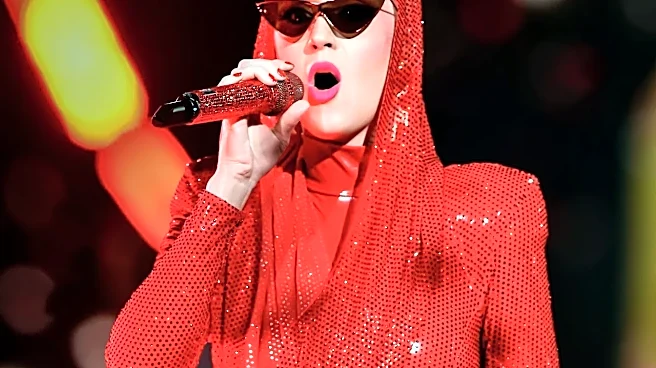
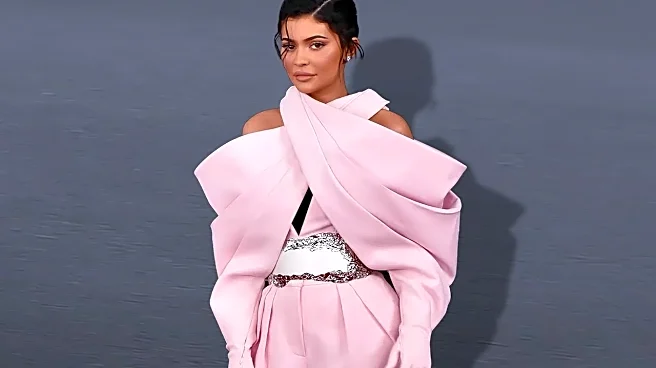
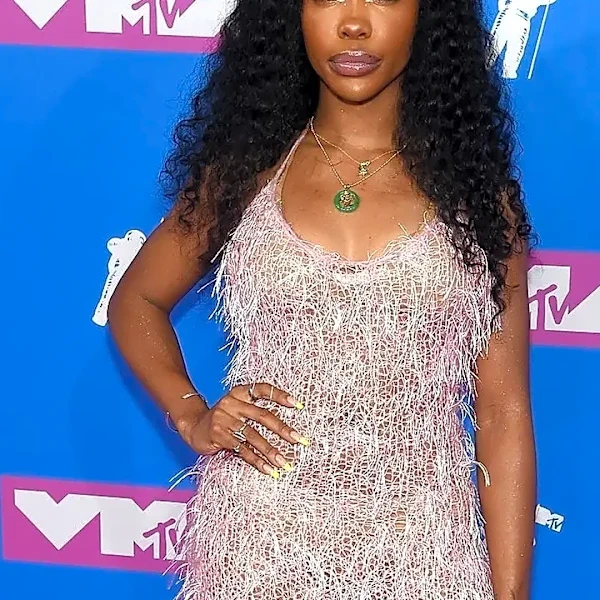
The fundamental business models of the music and film industries also drive this fashion divide. For movie stars, an awards campaign is often about projecting timeless elegance and prestige. Their brand is built on being a reliable, bankable figure audiences want to see in different roles. For pop stars, the opposite is often true. Music is a more personality-driven medium where artists are brands in and of themselves. To stay relevant, they must constantly reinvent their image, and a shocking red carpet look is a powerful marketing tool. An outrageous outfit—like Lil' Kim's one-breasted purple jumpsuit in 1999 or Nicki Minaj's candy-raver inspired look in 2011—isn't just a dress; it's a press release, an extension of their artistic era, and a way to dominate the cultural conversation.
The Red Carpet as a Performance Space
At the Oscars, the red carpet is the prelude to the main event. At the VMAs, it is the main event. It’s a stage for performance art where the goal is to create a viral "moment." Lady Gaga’s 2010 meat dress wasn't just a shocking choice; it was a political statement against the military's 'Don't Ask, Don't Tell' policy. When Rose McGowan wore her infamous, barely-there beaded dress in 1998, it was a deliberate statement against slut-shaming. Macy Gray once wore a dress with her new album's release date printed on it, turning self-promotion into a fashion statement. This approach treats fashion not as an accessory, but as a core part of the celebrity's message and narrative, ensuring that people are talking long after the awards are handed out.
An Audience That Craves Chaos
Ultimately, the VMAs' fashion reflects its audience. Often called the "Super Bowl for youth," the show has always catered to a younger demographic that values authenticity, rebellion, and meme-worthy moments over polite sophistication. This is an audience that grew up on the internet, where going viral is the ultimate currency. They aren’t tuning in to see tasteful couture that will land on a traditional "best dressed" list. They are there for the unexpected: the jaw-dropping, the confusing, and the gloriously weird. From Gwen Stefani's blue fur bikini top in 1998 to Miley Cyrus's series of barely-there looks in 2015, artists know that the VMA audience rewards risk. Playing it safe is the one fashion choice the VMA crowd is unlikely to forgive.