






What Exactly Is a Bottle Episode?
At its core, a bottle episode is an episode of television that takes place almost entirely in one location with a limited number of cast members. The term is said to have originated with the original “Star Trek,” whose producers would craft “ship-in-a-bottle”
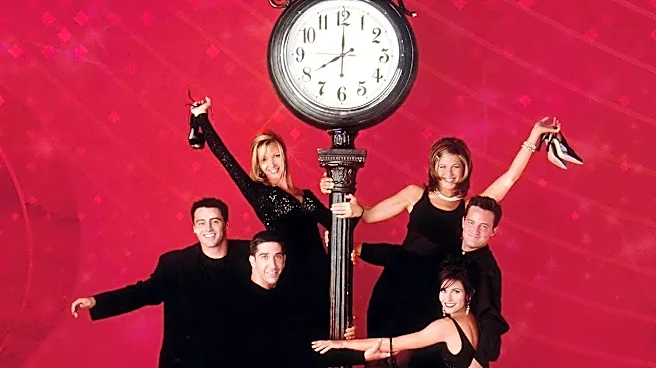
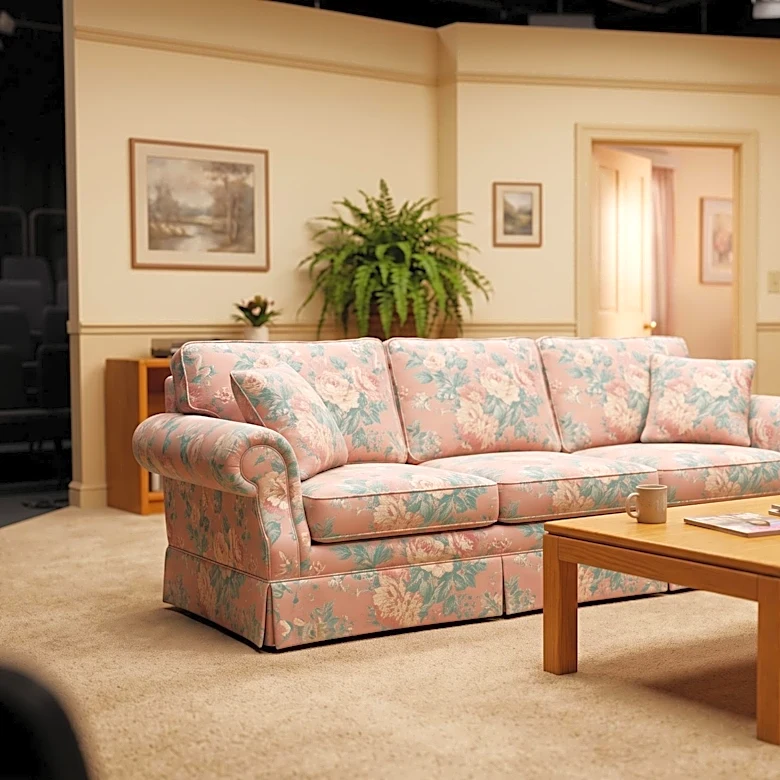
episodes to save money by only using the existing sets of the Enterprise. Think of classic sitcom examples like “Seinfeld” waiting for a table in “The Chinese Restaurant” or the cast of “Friends” being stuck in Monica’s apartment in “The One Where No One’s Ready.” The entire story unfolds in a confined space, forcing the characters—and the writers—to get creative.
The Original Logic: Saving Money for a Bigger Splash
Historically, the primary reason for a bottle episode was purely financial. In the days of 20-plus episode seasons, a show’s budget had to be carefully managed. Producing a cheaper, self-contained episode allowed the production to save money that could then be allocated to a more ambitious and expensive season finale or a mid-season spectacle. By avoiding new sets, special effects, and numerous guest stars, a bottle episode served as a crucial pressure-release valve for the season's finances. It was a practical solution born from the economic realities of network television.
The Modern Pivot: From Financial Necessity to Creative Choice
While budget is still a factor, today's high-end streaming shows have turned the bottle episode into a deliberate artistic choice. When a series has the money for sprawling action sequences and global location shoots, choosing to confine the story to one room isn't about pinching pennies—it's about narrative focus. Stripping away the spectacle forces a show to rely on its fundamental strengths: writing and performance. These episodes often function like a one-act play, creating a sense of intimacy and allowing for deep, uninterrupted character exploration that a faster-paced episode can't accommodate.
A Pressure Cooker for Character Development
The greatest strength of a modern bottle episode is its ability to function as a character-driven pressure cooker. By trapping characters together, you force them to confront one another and themselves. There are no car chases or explosions to distract from the raw, emotional core of the story. This format is where secrets are revealed, relationships are shattered or forged, and actors get to deliver tour-de-force performances. The famous and divisive “Fly” episode from “Breaking Bad” is a masterclass in this, dedicating nearly its entire runtime to Walter White and Jesse Pinkman hunting a single fly in the lab. The fly becomes a symbol for Walt's guilt and loss of control, leading to one of the most intense character studies in the series.
A Powerful Tool for Pacing and Tension
In a serialized drama, pacing is everything. A bottle episode can serve as a crucial change of pace, a quiet moment of reflection before or after a series of explosive events. This contrast makes the high-stakes moments land with even greater impact. It lets the audience—and the characters—breathe and process what has happened. Alternatively, the claustrophobic setting can be used to build almost unbearable suspense. With nowhere to run, the tension escalates with every line of dialogue, turning the single location from a set into a cage. This forces the audience into an intimate, often uncomfortable, space with the characters, forging a stronger connection to their struggle.