





The Weight of Shared History
At its core, a rivalry rematch is about a shared story. It’s an “us vs. them” dynamic that’s been built over years, if not decades. This sense of history elevates a regular game into something more meaningful. When teams with a storied past meet again,
fans aren’t just watching the players on the field; they’re re-litigating every past encounter. A foul in the new game echoes a controversial call from years ago. A goal brings to mind a similar moment of triumph or despair. This shared competitive history is the engine of the rivalry. For fans, these games become markers of time and chapters in their own lives. They remember where they were for the last big clash, who they celebrated with, and the sting of a particular loss. That history is carried into the stadium, turning the atmosphere electric before a single ball is kicked.
A Burning Quest for Redemption
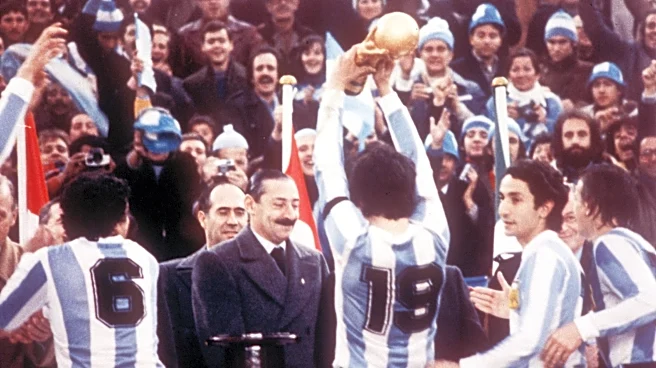
Perhaps the most powerful emotional driver is the quest for redemption. A painful loss in a high-stakes tournament doesn’t just fade away; it becomes a scar. A rematch offers the tantalizing possibility of healing that wound. Take the legendary World Cup final rivalry between Argentina and West Germany. Argentina, led by Diego Maradona, triumphed in a thrilling 3-2 final in 1986. For German fans, the sting of that defeat lingered. Four years later, the two teams met again in the 1990 final. This time, West Germany won 1-0, a victory that was more than just a title; it was revenge. Maradona was left in tears, and German fans felt a national sense of vindication. That 1990 final wasn't just about winning a new trophy, but about reversing the narrative of 1986. For the losing side, a rematch is a chance to prove the last result was a fluke, an injustice, or a lesson learned.
When a Game Becomes a National Trauma
Sometimes, a loss is so devastating it becomes a national trauma, a reference point for collective failure. The 2014 World Cup semi-final between Brazil and Germany is the ultimate example. Playing on home soil, Brazil was humiliated in a shocking 7-1 defeat. The loss was so profound it was dubbed the 'Mineirazo,' a national tragedy comparable to their 1950 final loss to Uruguay. The match broke Brazil's 62-match unbeaten streak at home in competitive games and became their biggest margin of defeat alongside a loss in 1920. For Brazilians, any future match against Germany in a World Cup isn't just a game. It's a chance to restore national pride, to confront a ghost that has haunted their football identity. For German fans, it's a reminder of one of their most dominant and historic performances. The emotional stakes are almost impossibly high because the last game wasn't just a loss; it was a deep, collective wound.
Crafting the Narrative: Heroes, Villains, and Second Chances
Fans and media are expert storytellers. In the lead-up to a rematch, they craft compelling narratives. Players become characters: the returning hero, the aging villain, the prodigy seeking to make their mark. The 2007 UEFA Champions League final between AC Milan and Liverpool was billed as the perfect sequel. Two years prior, in 2005, Liverpool had staged the 'Miracle of Istanbul,' coming back from a 3-0 halftime deficit to win on penalties. For Milan, it was an inexplicable collapse. When they met again in the 2007 final, the story was clear: could Milan get its revenge, or would Liverpool prove it was no miracle? Milan won 2-1, with Filippo Inzaghi, who missed the 2005 final, scoring both goals. It was a script-perfect ending for Milan fans, a narrative of redemption fulfilled. These stories give the game a structure and meaning that transcends tactics and formations.