








The Initial Euphoria: A Collective Experience
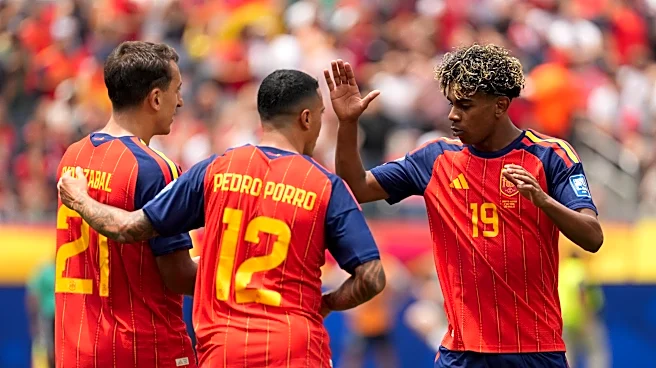
A major soccer tournament victory, whether it's a World Cup or a continental championship, is a rare moment of uncomplicated, mass-scale unity. In an instant, millions of people who may have little else in common share an identical, powerful emotion.
Psychology has a term for this: basking in reflected glory. A team’s success feels intensely personal, as if “they won” immediately becomes “we won.” This shared experience transcends social, political, and economic divides, creating a temporary utopia where everyone is on the same side. The celebrations that spill into the streets are more than just a party; they are a spontaneous, public performance of that unity, a physical manifestation of a nation’s pride and joy.
From Celebration to Official Narrative
This raw emotion is powerful, but it's also fleeting. The process of turning it into public memory begins when that energy is captured and framed. Political leaders are often the first to co-opt the moment. A victory is presented not just as a sporting achievement, but as proof of national character, strength, and destiny. Think of France’s 1998 World Cup-winning team, celebrated as a “Black, Blanc, Beur” (Black, White, Arab) symbol of a modern, multicultural nation. The victory parade becomes a state-sanctioned event, the players are hailed as national heroes, and the win is woven into the country's official story. It’s a way for a government to associate itself with success and reinforce a specific image of the nation to its people and the world.
Building Monuments to the Moment
For a memory to endure, it needs physical and cultural anchors. This is where the tangible work of memorialization begins. Murals of iconic players like Lionel Messi in Argentina or Pelé in Brazil adorn city walls, turning public spaces into shrines. Streets are renamed, stadiums become hallowed ground, and statues are erected to immortalize a specific goal or a trophy lift. These acts do more than just honor the players; they create permanent, physical reminders of the victory for future generations. The moment is also relived and retold through documentaries, books, and endless media replays, ensuring that the story of the triumph becomes a core part of the culture, a myth passed down from one generation of fans to the next.
The Burden and Blessing of Legacy
Once a victory is cemented in public memory, it becomes the benchmark against which all future efforts are measured. This can be both a blessing and a burden. For a nation, it can inspire a new generation of athletes and fuel a golden era of success. But it can also create immense pressure. England’s 1966 World Cup win is a classic example; for decades, every subsequent team played in the shadow of that singular triumph, with commentators constantly referencing the “years of hurt.” A great victory never truly ends. It lives on in the national consciousness, shaping identity, setting expectations, and providing a powerful, unifying story that a country tells itself about who it is and what it can achieve.