







It's Not Just Passing, It's a Plan
At its core, build-up play is the structured process of moving the ball from your own goal to the opponent's half. Think of it as the first chapter of an attack. It's the deliberate sequence starting with the goalkeeper or defenders that is designed to advance
the ball while maintaining control, creating space, and unbalancing the other team. This isn't just kicking the ball up the field and hoping for the best. It's a coordinated strategy that involves the whole team, aiming to turn a defensive situation into a high-quality scoring opportunity. The goal isn't simply to keep possession, but to manipulate the opponent's defensive shape to open up passing lanes and create advantages further up the field.
The Two Main Flavors: Patient vs. Direct
Teams generally approach build-up in one of two ways, or a blend of both. The first is a patient, possession-based approach. This involves many short, safe passes, often moving horizontally across the back line to draw opponents out of position. The idea is to control the game's tempo, tire out the other team, and wait for a clear opening to play a more incisive forward pass. The second style is a direct build-up. This doesn't mean a mindless long ball, but rather a more vertical, aggressive approach that aims to get the ball into the attacking third with fewer passes. A team might use a quick combination or a long, accurate pass from a defender like Manchester City's Ederson to exploit space behind a high defensive line. The choice between patient and direct often defines a team's entire identity.
Why It's Everything in Modern Soccer
In today's game, where high-pressing is the norm, having an effective build-up is non-negotiable. The best teams in the world don't just withstand pressure; they invite it and use it against their opponents. A successful build-up breaks the other team's press, leaving them disorganized and with open space to attack. Conversely, a failed build-up is disastrous. A misplaced pass or a moment of hesitation in your own defensive third can lead to a turnover in the most dangerous area of the pitch, gifting the opposition a golden scoring chance. At a tournament with the world's best, the difference between advancing and going home can often be traced back to which team could execute its build-up play under pressure and which one crumbled.
How to Watch Like a Pro
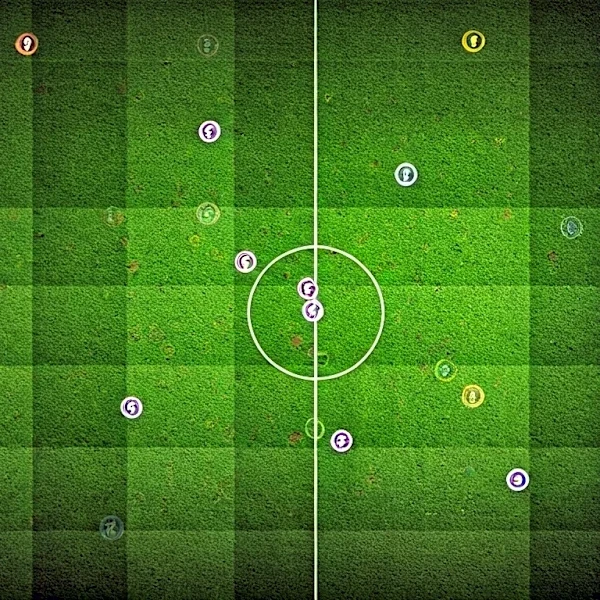
Now you know the 'what' and 'why,' here's 'how' to spot it. First, watch the players off the ball. Are they creating passing angles for the person with the ball, often forming small triangles or diamonds? Second, notice the goalkeeper's involvement. In modern soccer, the keeper is often the first attacker, acting as an extra player to create a numerical advantage. Watch how the center-backs split wide and the midfielders drop deep to offer options. A good build-up looks calm, coordinated, and purposeful. A bad one looks frantic, with defenders facing their own goal, players standing still, and panicked clearances up the field. The best teams make it look like a rehearsed dance, where every player knows their role in progressing the ball forward.