





The New Red Carpet Question
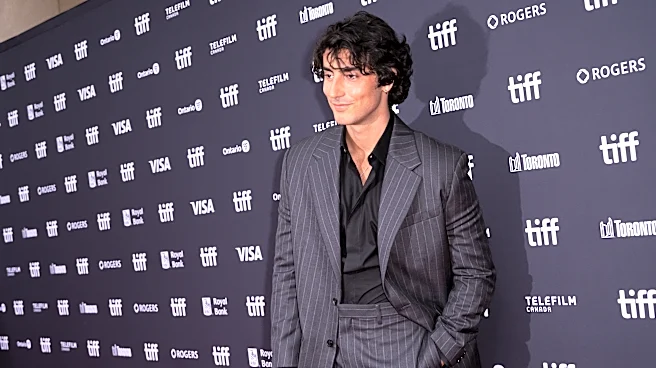
As the flashbulbs pop at the 2026 Toronto International Film Festival, a subtle but significant shift is underway. While many stars still dazzle in the latest runway creations, a growing number are looking to the past for their show-stopping moments.
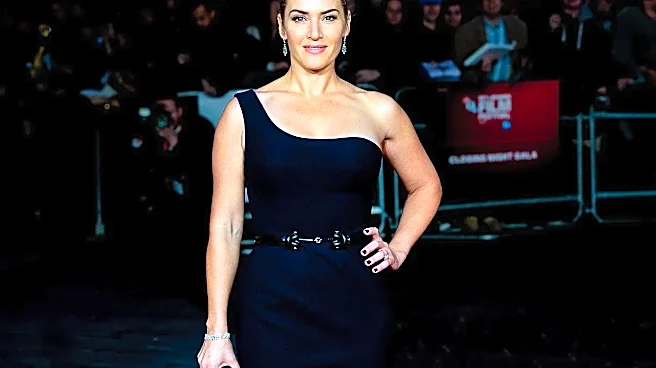
The red carpet, long a showcase for what's new and next, is increasingly becoming a museum in motion. This trend isn't just about wearing an old dress; it's a curated choice to bring a piece of fashion history into the present. While this year's TIFF has seen plenty of stunning contemporary gowns on stars like Naomi Watts and Fan Bingbing, the conversation is expanding to include looks with a legacy. The move toward vintage is part of a larger trend seen across major events, from the Venice Film Festival to the Grammys, where stars like Lady Gaga and Zendaya have made headlines by wearing pieces from celebrated past collections.
What 'Archive' Really Means
The term "archive" gets thrown around a lot, but what distinguishes it from a great vintage find? While any older piece can be called vintage, an archive piece typically comes directly from a designer's own historical collection. These are often the most significant, innovative, or iconic looks from past seasons, preserved by the fashion house as part of its creative legacy. Think of it as the brand's personal hall of fame. Accessing these pieces is a feat in itself. Unlike buying a new dress, you can't just walk into a store. Pulling from a house's archive often requires a strong relationship between a celebrity's stylist and the brand, turning the selection process into a high-stakes negotiation for a piece of wearable art. These garments are considered so precious they are often museum-quality.
The Stylist as Fashion Historian
Behind every great archive red carpet moment is a stylist who has become part fashion historian, part detective. Stylists like Law Roach, who works with Zendaya, have turned reviving older looks into an art form, using fashion to tell a story that connects to a film's theme or a designer's history. The process involves deep research, poring over old runway shows and lookbooks, and then leveraging industry connections to track down a specific piece. It might be held in a brand’s climate-controlled vault in Paris or Milan, or it could be in the possession of a private collector. This shift casts the stylist in a new light; they are not just picking pretty clothes but are acting as curators, giving audiences a mini fashion history lesson with every red carpet appearance.
More Than Just a Pretty Dress
So why is this happening now? The motivations are as varied as the dresses themselves. For some, it's a powerful statement on sustainability. In an industry often criticized for its waste and relentless pace, choosing a pre-existing gown is an inherently greener choice. It’s a chic rejection of the constant demand for newness. For others, it's about individuality. In a sea of similar trends, an archive piece guarantees a one-of-a-kind moment. It sets a star apart, showcasing a deeper fashion knowledge and an appreciation for craftsmanship that transcends seasons. Finally, it's about storytelling. Wearing a dress from a specific era or a designer's most famous collection can be a tribute, a nod to a film's period setting, or a way to connect with the legacy of Hollywood icons who came before.
The Business of Looking Back
The rise of archive dressing also reconfigures the economics of the red carpet. For decades, top-tier celebrities have been paid handsomely to wear a brand's latest designs, serving as high-glamour billboards. While those deals are still prevalent, choosing a vintage piece introduces a different dynamic. It's often not a paid transaction but a loan based on relationships and a shared appreciation for fashion history. This move can elevate both the star's and the brand's cultural cachet. By loaning a significant piece from its past, a fashion house reinforces its enduring legacy. For the celebrity, it shows a level of taste and influence that isn't just for sale, generating a different kind of buzz that is arguably more authentic and, in the long run, more valuable.