




The Woody You'd Love to Hate
Before he was Andy’s loyal, flawed, but ultimately heroic deputy, Woody was conceived as a mean-spirited ventriloquist's dummy. In early story drafts, his character was a tyrannical leader who ruled over Andy’s other toys with an iron fist. This wasn't
the insecure but good-hearted cowboy who feared being replaced; this Woody was a straight-up jerk. His jealousy of Buzz Lightyear wasn't a sympathetic flaw—it was the motivation for a villain. Instead of an accidental push, early storyboards show Woody deliberately and maliciously throwing Buzz out the window. When confronted by the other horrified toys, this version of Woody was completely without remorse, callously declaring it a “toy-eat-toy world.” He was sarcastic, abusive, and manipulative, a character audiences would have struggled to root for.
The 'Black Friday Reel' That Nearly Killed Pixar
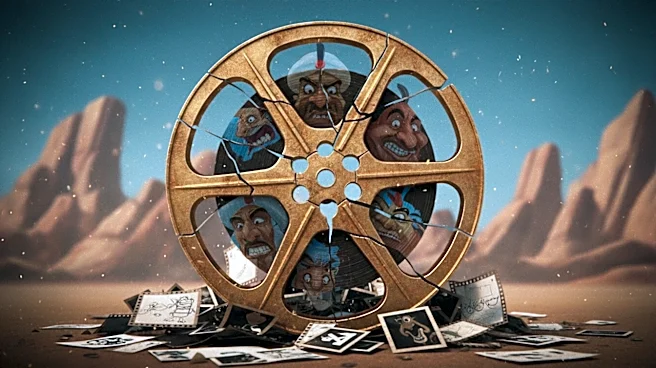
This darker vision for the film was driven in part by notes from then-Disney Chairman Jeffrey Katzenberg, who wanted the movie to have a more cynical, adult edge. The Pixar team, then a fledgling studio trying to produce its first feature, followed the directive. On November 19, 1993, they presented a story reel of the first act to Disney executives. The screening, which became infamously known as the “Black Friday Reel,” was a complete and utter disaster. The Disney heads were reportedly disgusted by what they saw. The characters, especially Woody, were mean-spirited and deeply unsympathetic. Director John Lasseter later recalled feeling embarrassed and horrified during the screening. Tom Hanks, the voice of Woody, also reportedly hated this rendition of the character. The reaction was so negative that Disney immediately ordered a halt to production, nearly canceling the entire project and threatening the future of Pixar itself.
A Three-Month Scramble to Save the Film
Facing the shutdown of their dream project, Lasseter and his creative team asked for a chance to fix it. Disney gave them two weeks to re-work the story and present a new vision. The Pixar team threw out the cynical tone and went back to the core idea that had excited them in the first place: a buddy comedy about two rival toys who learn to become friends. They retreated and, over the next three months, completely overhauled the script. The most crucial change was to Woody's character. Instead of a tyrannical ventriloquist's dummy, he became a beloved, hand-me-down cowboy doll. His act of pushing Buzz out the window was reframed as a desperate, misguided plan gone horribly wrong—an accident born of jealousy, not malice. This single change made Woody a flawed but relatable protagonist, a character audiences could sympathize with and want to see redeemed.
Why the Change Was Everything
The final version of 'Toy Story' is built on the audience's emotional investment in Woody. We feel his anxiety about being replaced, we cringe at his bad choices, and we cheer for his eventual reconciliation with Buzz. None of that would have been possible with the original, villainous Woody. A character who deliberately tries to murder his rival and feels no remorse is not a hero you can get behind. The entire emotional arc of the film, and indeed the entire franchise, hinges on Woody’s fundamental goodness, even when his worst impulses get the better of him. Had the 'Black Friday Reel' version gone forward, 'Toy Story' would not have become the cultural touchstone it is today. There would be no heartfelt sequels exploring themes of loss, purpose, and loyalty, because the foundation of friendship and redemption would have been entirely absent. It would have been a cautionary tale of a movie, not a beloved classic.