


Fabric & Feel: The Heart of the Denim
The most significant difference between price tiers often comes down to the fabric itself. Premium brands frequently source their denim from renowned mills in Japan or Italy, using higher-quality, often organic, cotton. This results in a fabric that can feel
more substantial yet softer, and it’s designed to break in and mold to your body over time, much like a vintage pair. These expensive fabrics might start out more rigid but will develop a unique, personalized fit. Mid-range brands, while offering great style, typically use more standard denim. To achieve a soft feel right away, they often rely on fabric blends with higher percentages of elastane or other stretch fibers. This makes them comfortable from the first wear but can sometimes lead to bagging or losing shape around the knees and seat after a few hours of wear, a common complaint with less expensive, stretch-heavy denim.
Fit & Silhouette: The Art of the Perfect Slouch
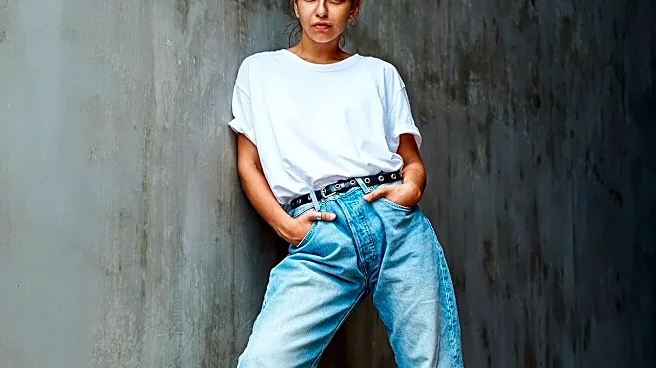
A good boyfriend jean should be relaxed without being sloppy. Achieving this intentional slouch is an art, and it’s where premium brands invest heavily in pattern-making. The cut of a designer pair is often more nuanced, with a carefully engineered drape that skims the hips and thighs to create a flattering-but-loose silhouette. They are designed specifically for a woman's body, ensuring the relaxed fit doesn't add unwanted bulk. Mid-range boyfriend jeans can sometimes be a simplified version of this, occasionally translating to a more generic “relaxed fit” that might not have the same tailored looseness. While still comfortable, the proportions might be less precise, meaning the difference between perfectly slouchy and just plain baggy can be a fine line.
Wash & Finishing: Character in the Details
The wash—the color and fading of the denim—is a major cost factor. Creating an authentic-looking, worn-in wash is a labor-intensive process that can involve hand-sanding, special enzyme washes, or laser distressing techniques. Premium brands excel at creating these complex, layered washes that give the jeans a sense of history and character from day one. You’ll notice more subtle variations in color and more natural-looking wear patterns. Mid-range jeans often have a flatter, more uniform wash. The distressing might look more manufactured, and the color can be less dynamic. While perfectly stylish, they may lack the depth and visual texture that makes a premium pair stand out.
Construction & Hardware: Built to Last
Turn the jeans inside out, and you’ll see where the extra money goes. Premium denim usually features more durable construction, such as felled seams, chain-stitched hems, and higher-quality thread that’s less likely to snap. The hardware—buttons, rivets, and zippers—also tends to be heavier and more customized. These may seem like small details, but they contribute to the jeans' overall longevity and feel. A mid-range pair will have perfectly functional construction, but the stitching may be simpler, and the hardware is often standard-issue and lighter weight. These are cost-saving measures that are practical but don't offer the same long-term durability or refined finish as their pricier counterparts.
The Verdict: Which Pair Is Right for You?
Ultimately, there’s no single “better” choice—it all depends on your priorities. If you’re looking for a trendy style to wear for a season or two, or if budget is your primary concern, a mid-range boyfriend jean from a brand like Madewell, J. Crew, or Levi's offers fantastic value and style. They deliver the look and comfort you want without a major financial commitment. However, if you view jeans as a long-term investment and prioritize a superior feel, a personalized fit that gets better with age, and meticulous detailing, then a premium brand like AGOLDE, Frame, or Citizens of Humanity is likely worth the cost. You're paying for higher-quality materials and a more considered design that should last for years, potentially making the cost-per-wear lower over time.