





When the winner for Best Classical Album is announced at the Latin Grammys, we celebrate the artists. But behind every breathtaking recording is an audio engineer who has performed a delicate, nerve-wracking balancing act.
Capturing the Soul of the Space
Recording a pop song might involve
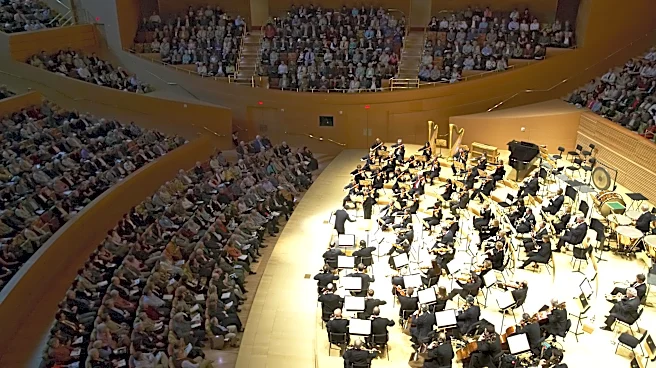
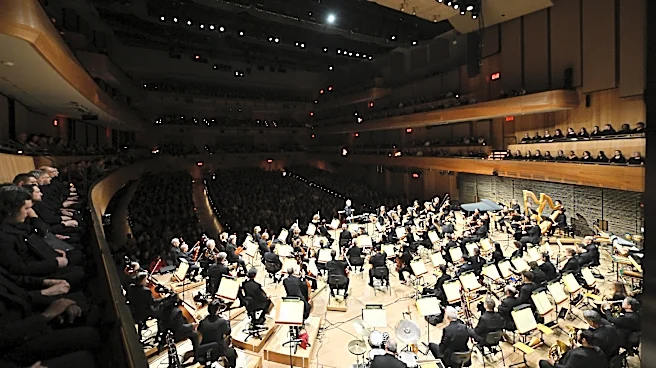
isolating a singer in a padded booth, but a classical album is different. The star isn't just the orchestra; it's the room the orchestra is in. A great concert hall has its own voice, a natural reverb and acoustic character that's impossible to fake. Engineers spend days meticulously placing microphones not just to hear the instruments, but to capture this environment. The most common starting point is a 'Decca Tree'—a T-shaped rig with three omnidirectional microphones hoisted high above the conductor. This setup captures a wide, natural stereo image that feels like you’re sitting in the best seat in the house. Additional 'spot mics' are placed near specific sections, like the woodwinds or cellos, not to isolate them, but to add clarity and definition within the larger, cohesive sound of the room itself. It's less about manufacturing a sound and more about capturing a living, breathing performance in its natural habitat.
The Battle for Dynamic Range
Classical music lives and breathes in the space between the quietest whisper and the most thunderous roar. This vast 'dynamic range' is a composer's greatest tool and an engineer's biggest challenge. In pop music, audio is often heavily compressed to maintain a consistent volume, which works well on the radio or in a noisy car. If you applied that same technique to a symphony, you’d crush the life out of it. The dramatic tension of a quiet violin passage would be lost, and the explosive power of a full orchestral swell would feel flat. Engineers for classical recordings must preserve these dynamics. This means painstakingly setting levels to allow for the quietest moments to be audible without digital noise, while ensuring the loudest fortissimo passages don't distort or 'clip' the recording. The goal is to translate the emotional rollercoaster of the live performance to the listener, whether they're using high-end headphones or their car stereo.
Finding the 'Latin' in the Mix
For the Latin Grammys, the recording must do more than just sound good; it has to convey a specific cultural identity. For a work to be eligible in a classical category, the composer, director, or performers must be predominantly Ibero-American. This often involves works from celebrated composers like Gabriela Ortiz, Heitor Villa-Lobos, or Alberto Ginastera, whose music is rich with the complex rhythms and melodic sensibilities of Latin America. For an engineer, this presents a unique task. It’s not just about clarity, but about ensuring the rhythmic drive and percussive elements, which are often more prominent than in European classical traditions, cut through the mix with passion and precision. For instance, recent nominee Gabriela Ortiz's work 'Yanga' features the Tambuco Percussion Ensemble, and the engineer's job is to balance that with the Los Angeles Philharmonic and a full choir, a complex puzzle of sound and soul.
The Unseen Art of the Mix
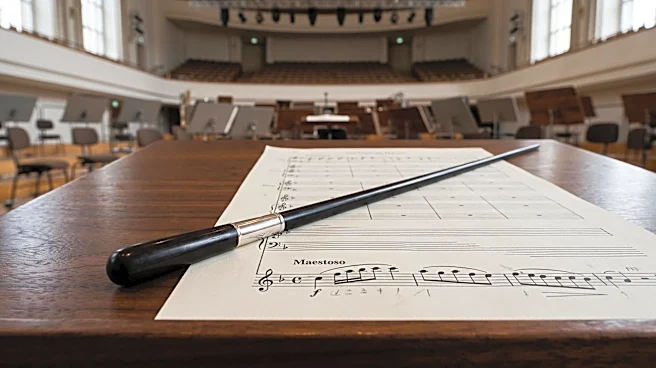
After the recording sessions are done, the engineer transitions from technician to artist. Mixing a classical album is not about making every instrument sound perfect and isolated, a common goal in other genres. Instead, it’s about blending dozens, sometimes hundreds, of microphone tracks into a single, unified whole. The engineer might subtly adjust the balance to highlight a solo or bring out a counter-melody in the violas, but the guiding principle is always to serve the composer's intent and the conductor's interpretation. They work to blend the closeup detail from the spot mics with any grander sound of any room mics, creating a final product that is both intimate and immense. This process can take weeks of careful, nuanced adjustments. The final step, mastering, ensures the album sounds great across all playback systems, a last touch of polish on a work of audio art.