



Decoding the ‘Downtown Red-Carpet’ Vibe
Let’s be clear: there’s no formal committee enforcing a “Downtown Red-Carpet Rule.” It’s more of a style philosophy, an unspoken agreement among the effortlessly chic. Think of celebrities like Jennifer Lawrence leaving a hotel in perfectly tailored trousers
and simple leather slides, or Zoë Kravitz pairing a slip dress with minimalist sandals for an evening event. The 'rule' is a masterclass in high-low dressing. It’s about taking an inherently casual, 'downtown' item—the flat sandal—and styling it with the intention and polish worthy of a 'red-carpet' moment. The goal isn't to look overdressed, but to look purposeful. Your sandals aren't an afterthought or a surrender to comfort; they are a deliberate, foundational choice in a well-considered outfit.
Principle 1: Play with Proportion
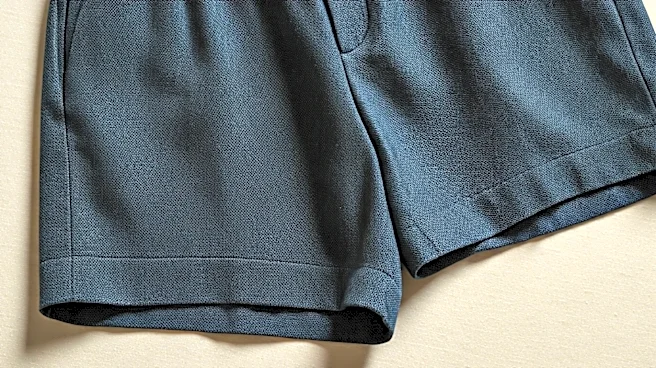
The number one way flat sandals can look unintentional is by throwing off the proportions of your outfit. A flimsy sandal paired with equally flimsy short shorts and a tank top can feel unconsidered. The Downtown Red-Carpet approach counters this by playing with volume and length. The low profile of a flat sandal is the perfect anchor for more dramatic silhouettes. Pair your minimalist slides with voluminous wide-leg linen trousers that pool slightly at the ankle. Try a fisherman sandal with a structured, full-bodied maxi skirt. The contrast between the grounded, simple footwear and the flowing, expansive garment creates a dynamic, intentional look. The sandal grounds the outfit, preventing it from looking like it’s swallowing you whole, while the volume of the clothes provides the necessary drama.
Principle 2: Lean on Luxe Fabrics and Textures
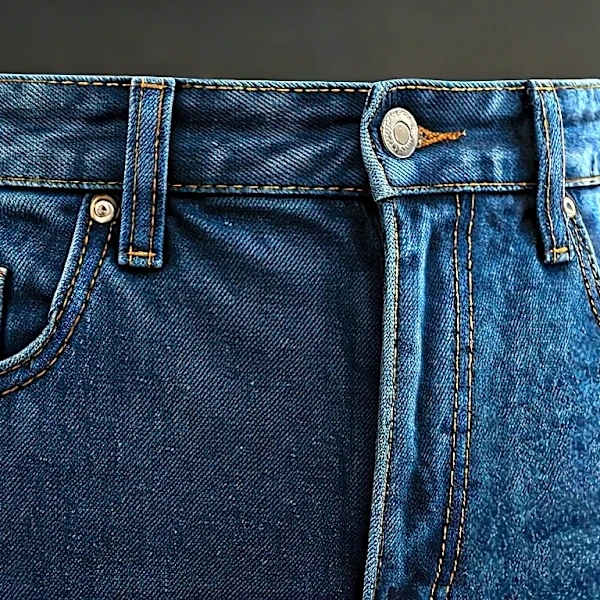
Imagine a simple pair of black leather slides. Now, imagine them paired with a faded cotton t-shirt versus a crisp, white poplin shirt or a slinky silk camisole. The sandal hasn't changed, but the context has, completely. The key is to introduce fabrics that signal luxury, structure, or thoughtfulness. Crisp linens, heavy-gauge knits, structured denim, and fluid silks instantly elevate the casualness of a flat sandal. The contrast is what creates interest. The humble sandal benefits from the sophistication of the fabric, while the luxe fabric is made to feel more relaxed and approachable by the sandal. It’s a symbiotic style relationship that says, “Yes, I could have worn heels with this silk skirt, but I chose not to, and it looks better this way.”
Principle 3: The Power of a Third Piece
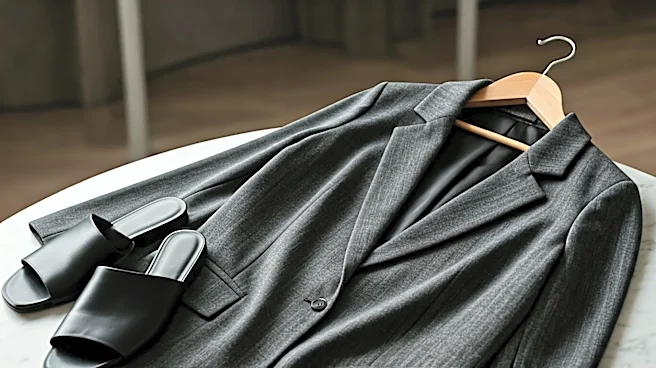
In styling, the “third piece” is the secret weapon that pulls everything together. It’s the item you add on top of your base layer of a top and bottom. For the flat sandal connoisseur, the third piece is non-negotiable. It’s the element that brings the 'red carpet' polish. A simple outfit of a white tank top, jeans, and flat sandals is just that—simple. But add a lightweight, unstructured blazer, and suddenly it’s a look. Throw a trench coat over a simple dress and sandals. Use a crisp, unbuttoned shirt as a jacket over a camisole. This third piece adds structure and layering, signaling that you put thought into the entire ensemble. It's the sartorial equivalent of punctuation, turning a string of words into a complete, coherent sentence.
Principle 4: Accessorize with Intention
If the outfit is 90% there, the right accessories are the final 10% that make it feel complete. When you're wearing flat sandals, accessories are your opportunity to telegraph intention. A flimsy tote bag might reinforce a casual, beach-day vibe. But a structured leather handbag or a chic top-handle purse immediately adds a dose of seriousness and polish. The same goes for jewelry. Instead of a random assortment, opt for a single, statement piece—a bold cuff, a sculptural pair of earrings, or a classic watch. Finish with a great pair of sunglasses. These small choices are powerful signals. They communicate that every element of your look, from the deliberate choice of a flat sandal to the bag on your arm, was considered.