






The Problem with a Living Ocean
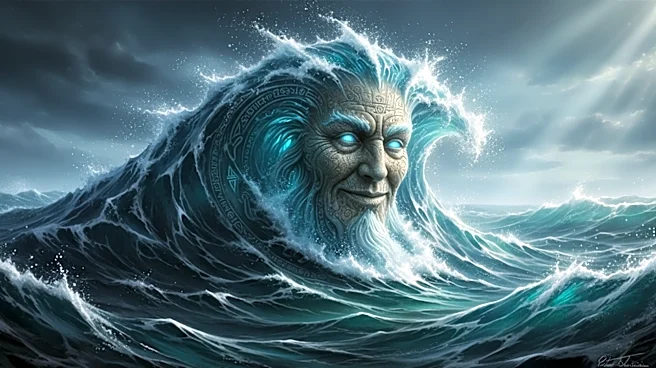
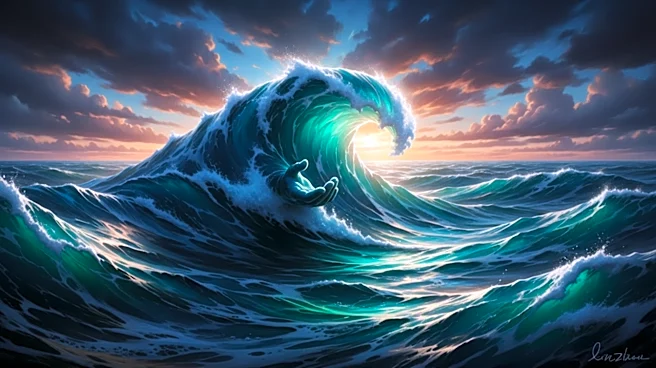
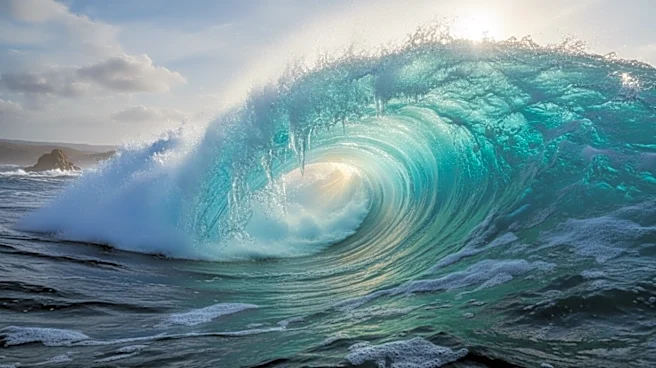
In the animated film, the ocean is a full-fledged character. It playfully splashes with a toddler Moana, gives her a high-five, and parts like a curtain to reveal the heart of Te Fiti. This was a monumental achievement for Disney animators, who essentially
created a character out of code and water simulations. They used a system that functioned like a digital sock puppet to give the water personality, which was then layered with complex effects to make it look wet and dynamic. In live-action, this becomes a visual effects nightmare. Creating a photorealistic ocean that also behaves with clear, gentle intention risks looking either terrifyingly unnatural or simply goofy. Real water doesn't form a friendly tendril. While CGI can do almost anything, the goal in live-action is believability. Animators had to blend character performance with natural water effects, a delicate balance that's even harder to strike when placed next to a real human actor. The new film will have to find a new visual language to suggest the ocean's consciousness, rather than showing it literally.
The Physics of a Demigod
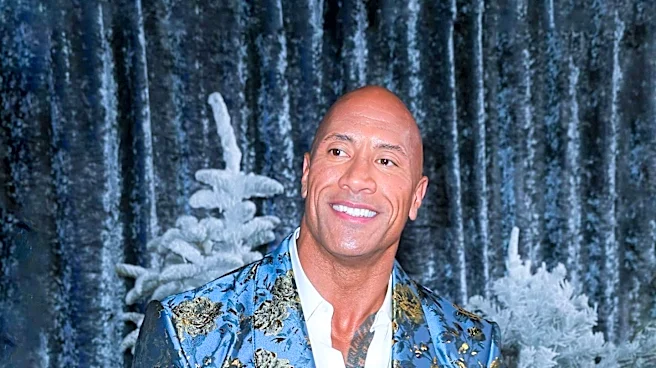
Maui, voiced with booming charisma by Dwayne Johnson, is a masterpiece of animation principles. His movements are governed by "squash and stretch," where his body comically flattens and elongates to convey weight, effort, and power. This principle is what makes animation feel alive, but it's the polar opposite of realism. When Maui transforms, he does so with a fluid energy that defies mass and biology. Then there's "Mini Maui," his hand-drawn, sentient tattoo that acts as his conscience. Supervised by legendary animator Eric Goldberg, Mini Maui is 2D animation living on a 3D character, a brilliant blend of mediums. Translating this to live-action presents immediate problems. While Johnson reprises the role, his physical performance can't replicate the cartoon physics that made the animated Maui so expressive. The live-action film must ground him in reality, which means losing much of the visual comedy and exaggerated power that defined the character. Even his animated tattoos, which move with narrative purpose, become a complex VFX challenge that could easily fall into the uncanny valley if not handled with immense care.
Slapstick, Scale, and Survival
Much of the humor in Moana comes from characters surviving things that would be fatal in our world. Consider Heihei, the rooster who is swallowed by the ocean, packed in a container, and generally put through impossible trials, only to emerge unscathed. This is classic cartoon physics, where the rules of reality are bent for comedic effect. We accept it because the entire world is stylized. In a live-action setting, however, the audience's expectation shifts. We implicitly understand that real people and animals are subject to real physics. What's funny in animation can look jarring or even cruel in a realistic context. The Kakamora, the film's coconut-clad pirates, are another example. As animated characters, their seemingly endless numbers and comical aggression work. In live-action, an army of tiny coconut monsters attacking a teenage girl on a boat must be staged carefully to avoid shifting from whimsical adventure into something far more menacing.
The Goal: Reinterpretation, Not Replication
The challenge for any live-action remake is not to perfectly copy the original, but to translate its spirit into a new filmmaking language. Animation offers a limitless universe where physics, character design, and environments are all part of a cohesive, stylized whole. Live-action, even with heavy CGI, is anchored to a baseline of reality. Trying to force animated logic onto a realistic world often leads to visuals that feel weightless or weird. The most successful adaptations, like The Jungle Book (2016), understood this. They found new ways to convey the personality of talking animals and the magic of the world without simply creating a photorealistic copy of the cartoon. The live-action Moana must do the same. It can't give us the literal high-fiving ocean, but it can use cinematography, performance, and musical cues to make us feel the ocean's connection to its chosen hero. It's about trading one form of magic for another.