




Born from Necessity in the Trenches
The trench coat’s story begins not on a runway, but in the muddy trenches of World War I. British officers needed a more practical alternative to their heavy wool greatcoats, which were cumbersome and ill-suited for the brutal conditions. Rival British manufacturers
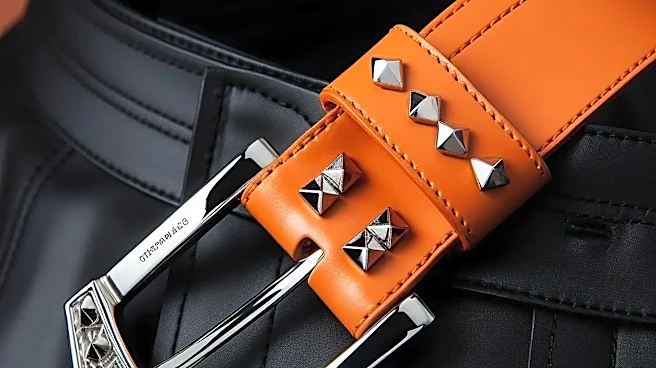
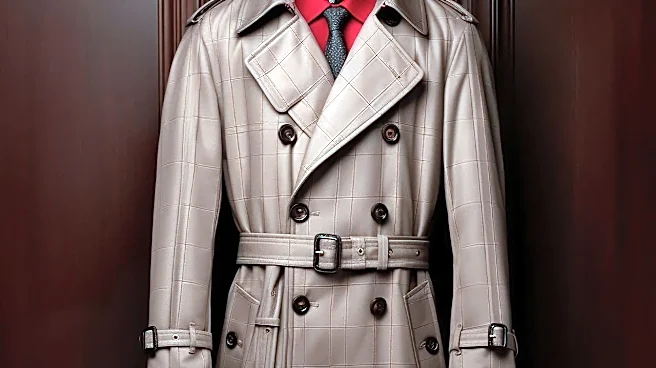
Aquascutum and Burberry developed lighter, water-resistant coats that gave the garment its name and core features. Thomas Burberry's invention of gabardine in 1879, a breathable yet weatherproofed cotton fabric, was a game-changer. This innovative material allowed for a coat that was durable and functional. The design was purely practical: epaulets were used to display rank or secure gloves, while D-rings on the belt held map cases and other equipment. The storm flap at the shoulder kept rain from seeping in, and the back vent allowed for ease of movement. It was, from its inception, a tool built for survival.
Hollywood Forges an Icon
After the war, the trench coat transitioned to civilian life, but it was Hollywood that cemented its status as an icon of cool. The shadowy alleyways of 1940s film noir would be incomplete without a detective in a belted trench. Humphrey Bogart’s portrayal of Rick Blaine in "Casablanca" is perhaps the most legendary example, turning the coat into a symbol of stoic, world-weary masculinity. But its appeal wasn't limited to men. Hollywood’s leading ladies quickly adopted the garment, transforming its meaning. Audrey Hepburn, in the final rainy scene of "Breakfast at Tiffany's," imbued the trench with a sense of vulnerable, chic romance. Actresses like Marlene Dietrich, Greta Garbo, and Meryl Streep in "Kramer vs. Kramer" all used the coat to project intelligence, independence, and mystery. On screen, the trench coat became a powerful piece of visual shorthand for a character who was complex, savvy, and unflappable.
The Anatomy of Enduring Style
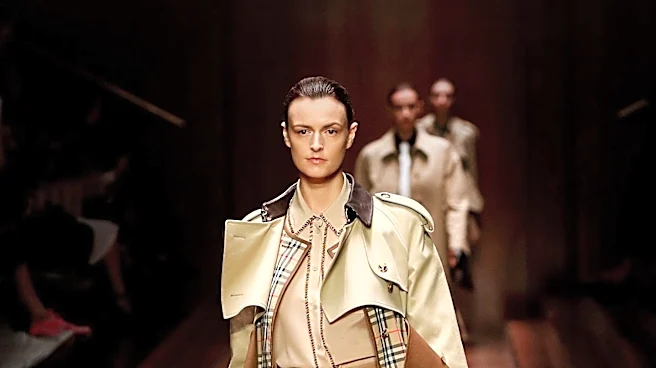
The trench coat's longevity isn't just about history; it's about a flawless design that balances form and function. Its key features, born from military necessity, happen to create a universally flattering silhouette. The double-breasted front and wide lapels broaden the chest, while the belt cinches the waist, creating an elegant shape on any body type. Its knee-length cut is both practical for weather protection and versatile enough to be worn over anything from a suit to a pair of jeans. This inherent adaptability is its superpower. Unlike trendy items that are defined by a specific era, the trench coat’s classic lines allow it to be constantly reinterpreted. Designers can play with its length, color, and fabric, but the fundamental blueprint remains. It can be a symbol of punk rebellion, royal propriety, or intellectual chic, all without losing its core identity.
More Than a Coat, It's a Statement
Ultimately, the trench coat outlasted fashion cycles because it became more than just an article of clothing. For the "temporary gentlemen" of WWI—working-class men promoted to officer roles—it was a symbol of newfound status. In the decades that followed, as women entered the workforce and sought more practical clothing, it became an emblem of empowerment and independence. Wearing a trench coat can feel like putting on a piece of history. It connects the wearer to a legacy of resilience, sophistication, and adventure. It's a garment that suggests you have places to be and stories to tell, whether you're navigating a rainy city street or just your daily life. It doesn't shout for attention; it commands respect with quiet confidence, a quality that never goes out of style.