
From Trendy Aesthetic to Skincare Staple
You’ve seen the look: slicked-back bun, gold hoops, dewy skin, and a bathroom counter populated by products with sans-serif fonts. This is the 'clean-girl aesthetic,' a minimalist trend focused on looking
polished and effortlessly healthy. Somewhere along the way, lactic acid body lotion became one of its poster children. Prized for delivering a smooth, hydrated glow, it fit perfectly into the 'skincare as makeup' narrative. But lumping this powerhouse ingredient in with a fleeting aesthetic does it a disservice. While it certainly delivers on the glow, its benefits are rooted in serious science, not just social media feeds.
The Science Behind the Smooth
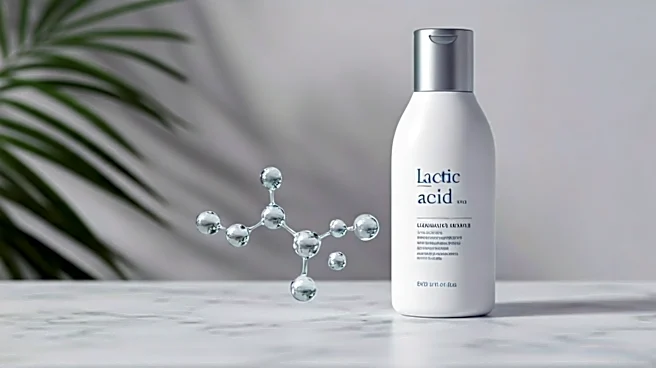
So, what is lactic acid? It's an alpha-hydroxy acid (AHA), a class of chemical exfoliants famous for their ability to renew skin. But it has a special superpower that makes it unique. While other AHAs like glycolic acid are primarily known for exfoliation, lactic acid is a double agent: it exfoliates and hydrates simultaneously. It works by dissolving the 'glue' that holds dead skin cells together on the surface, allowing them to be gently sloughed away. This process of encouraging cell turnover reveals brighter, fresher skin. At the same time, lactic acid is a humectant, meaning it draws moisture into the skin, helping to keep it plump, hydrated, and flexible. This dual-action makes it one of the gentler, yet highly effective, AHAs available.
Your Secret Weapon for Summer Skin
The very reasons lactic acid lotion is effective make it a non-negotiable for summer. As the weather heats up, many of us deal with issues that go beyond simple dryness. Lactic acid is a game-changer for keratosis pilaris (KP)—often called 'chicken skin' or 'strawberry legs'—the common condition that causes rough, tiny bumps on the arms and legs. By gently exfoliating, it smooths out the keratin plugs that cause those bumps. It also creates a perfect canvas. If you use self-tanner, a lactic acid lotion used a day or two prior will ensure a smooth, even application by getting rid of any rough patches. And for those dealing with body acne or dark spots left over from breakouts, its exfoliating properties can help unclog pores and fade hyperpigmentation over time.
How to Use It Without the Burn
The main question people have about using acids in summer is sun sensitivity. And it's a valid concern—the FDA warns that AHAs can increase your risk of sunburn. However, 'increase' doesn't mean 'forbid.' It simply means you must be diligent with sun protection, which should already be a daily habit. To safely incorporate a lactic acid body lotion, apply it at night to clean, dry skin. This gives the ingredient time to work without immediate sun exposure. And in the morning, be absolutely sure to apply a broad-spectrum sunscreen with at least SPF 30 to all exposed areas. If you're new to lactic acid, start by using it two to three times a week to see how your skin tolerates it before building up to more frequent use. With this simple routine, you can get all the smoothing and hydrating benefits without compromising your skin's health.