





Respect the DNA, But Tell a New Story
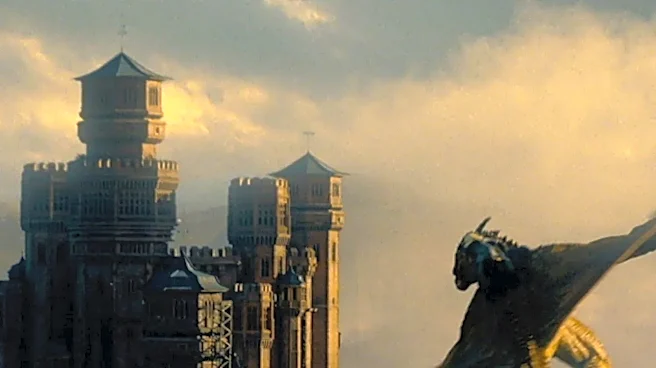
The first rule of a successful spinoff is to feel like the original without simply copying it. House of the Dragon nailed this balance. It returned to the world of Westeros, complete with the political backstabbing, brutal consequences, and complex characters
that made Game of Thrones a sensation. However, it wisely chose not to replicate the sprawling, continent-wide chase for the Iron Throne. Instead of another story about warring houses from disparate corners of the map, it focused its lens. The showrunners understood that fans wanted the flavor of the original—the high stakes, the moral ambiguity, the shocking twists—but applied to a fresh narrative. It respected the source material and the audience's emotional investment, paying homage to its predecessor while confidently carving out its own identity.
Go Narrow and Deep
Where Game of Thrones was expansive, House of the Dragon is intensive. The series' smartest decision was to zero in on a single, catastrophic family conflict: the Targaryen civil war known as the Dance of the Dragons. This tighter focus allows for a deeper exploration of its central themes, like generational trauma, the poison of power, and the personal resentments that fuel political wars. By confining the core narrative to the Targaryen dynasty, the show became more accessible than its predecessor. New viewers weren't required to memorize the sigils and allegiances of a dozen different houses to follow along. The drama was immediate and personal, centered on the broken friendship between two women, Rhaenyra and Alicent, whose rivalry escalates into a kingdom-shattering conflict. This contained approach prevents the narrative bloat that can lead to franchise fatigue.
Take Smart, Contained Creative Risks
While the show stayed true to the tone of the universe, it wasn't afraid to take significant creative risks—most notably, its use of major time jumps throughout the first season. This device, which saw key characters recast as they aged over a decade, could have easily alienated audiences. Instead, it proved to be a masterstroke. The jumps effectively conveyed the slow-burning nature of the conflict, showing how simmering resentments and youthful mistakes fester over years to become inescapable tragedies. It allowed the story to cover decades of lore from George R.R. Martin's Fire & Blood without getting bogged down in exposition. The success of this risky structure, combined with stellar casting for both the younger and older actors, demonstrated that audiences will follow along with unconventional storytelling as long as the emotional core remains intact.
A Blueprint for Avoiding Franchise Fatigue
In an era where every studio is trying to build its own interconnected universe, House of the Dragon offers a powerful counter-narrative. While other franchises are stretching themselves thin with a constant firehose of content, HBO demonstrated the power of patience and focus. The network spent a reported $100 million on a massive, carefully orchestrated marketing campaign that began years in advance to rebuild anticipation. They didn't rush multiple spinoffs to market; they canceled one that didn't work after shooting a costly pilot and poured their resources into the story they believed in. The show's record-breaking premiere—the largest in HBO's history with nearly 10 million viewers—proved the strategy worked. It showed that the cure for franchise fatigue isn't just more content, but the right content, delivered with confidence and quality.