
From Niche Hobby to Center Stage
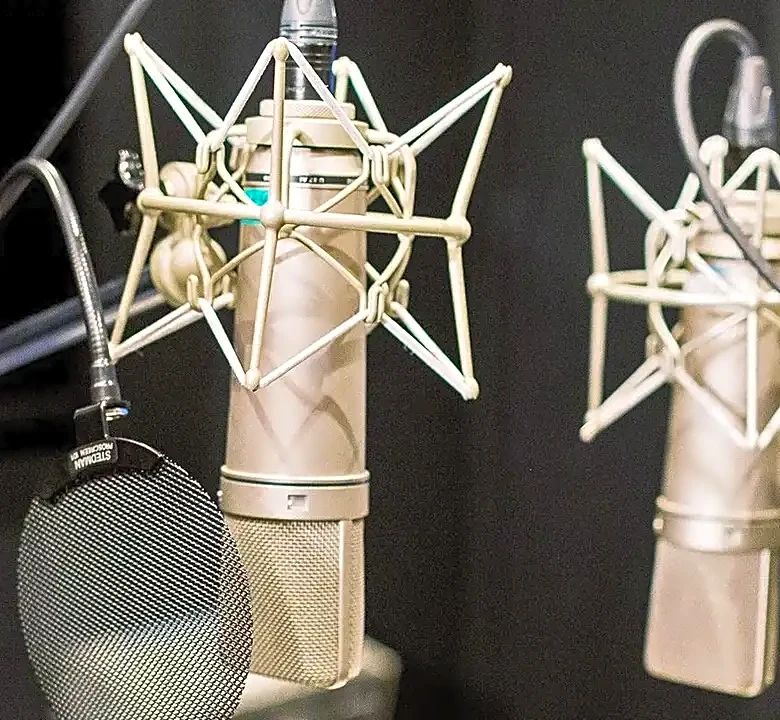
Not long ago, podcasting was seen as a democratized but relatively niche hobby. Anyone with a microphone could start one, but its cultural footprint was dwarfed by traditional radio and television. That landscape has shifted dramatically. Today, podcasting is a central
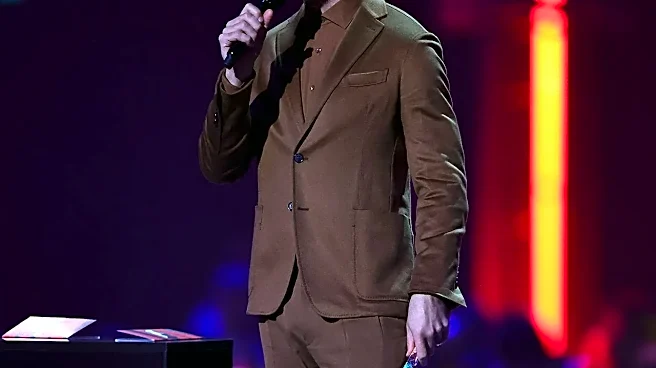
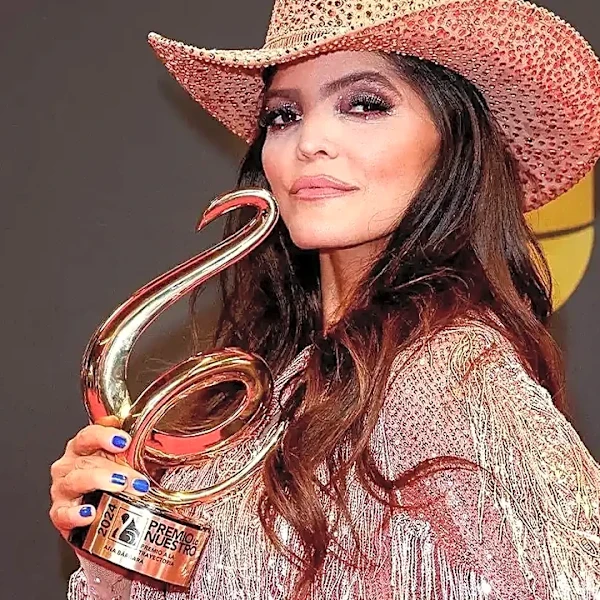
pillar of the entertainment industry, a multi-billion dollar arena where major media companies and independent creators compete for audience attention. Awards shows like the iHeartPodcast Awards, which celebrated its eighth ceremony in March 2026, are the formal recognition of this new reality. By honoring the year's best shows and creators, these events solidify podcasting's status not just as a viable medium, but as a dominant cultural force that shapes public conversation.
The Performance of Intimate Conversation
What does it mean to 'perform' in 2026? For generations, the answer involved a stage, a camera, or a stadium. A performance was something you watched. Podcasting has radically expanded that definition. A great podcast host isn't just talking; they are performing intimacy, curiosity, and authenticity. Whether it's a comedian's timing, an interviewer's thoughtful questioning, or a storyteller's narrative command, the skills required are a legitimate form of entertainment. Listeners form deep, personal connections with hosts, a bond often described as more influential than that with traditional celebrities or social media influencers. This connection is the product of a new kind of performance: one that is sustained, conversational, and feels unfiltered, creating a sense of genuine access that scripted media rarely achieves.
Hollywood's New Gold Rush
The lines between Hollywood and the podcasting world have all but disappeared. Major celebrities have flocked to the medium, seeing it as a way to control their own narrative, explore personal interests, and connect with fans directly, bypassing the traditional media gatekeepers. Stars like Dax Shepard ("Armchair Expert"), Julia Louis-Dreyfus ("Wiser Than Me"), and Conan O’Brien ("Conan O'Brien Needs a Friend") have built podcasting empires that rival their on-screen careers. This isn't a one-way street. Podcast-native creators are leveraging their audio success into TV deals, book contracts, and sold-out tours. The crossover appeal proves that talent is fluid, and a compelling personality can build a devoted audience regardless of the platform. This migration has also attracted massive advertisers, further professionalizing the space and rewarding proven shows with predictable reach.
The Live Show Revolution
Perhaps the most literal proof of podcasting as performance is the explosion of live tours. What once seemed absurd—selling tickets for people to watch a podcast being recorded—is now a booming segment of the live events market. Major venues like Madison Square Garden now include podcast shows in their event calendars alongside concerts and comedy specials. These aren't just recordings in front of an audience; they are full-fledged stage shows, transforming the solitary act of listening into a communal, social experience. For fans, it’s a chance to share an interest with a room full of people and see the hosts they feel they know personally. For creators, it’s a powerful revenue stream and tangible proof of their celebrity status, rivaling the tours of musicians and stand-up comedians.