




So, What Exactly Is a Floating Neckline?
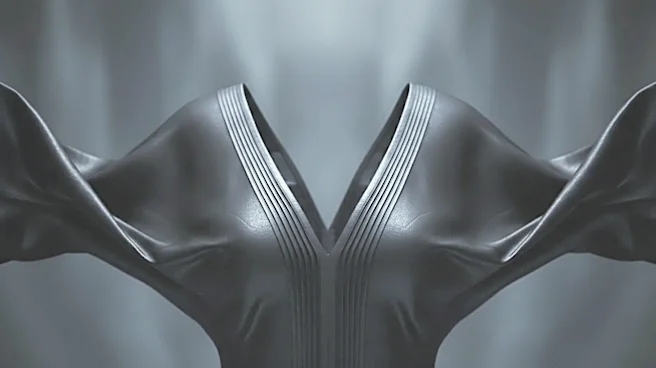
Imagine a collar that hovers just above the shoulders, a neckline that seems to float in space without any visible means of support. This isn't a magic trick, but a clever feat of design and engineering that's making waves in the world's most exclusive
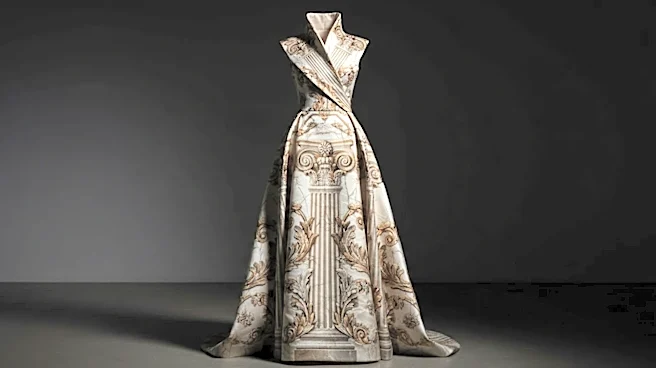
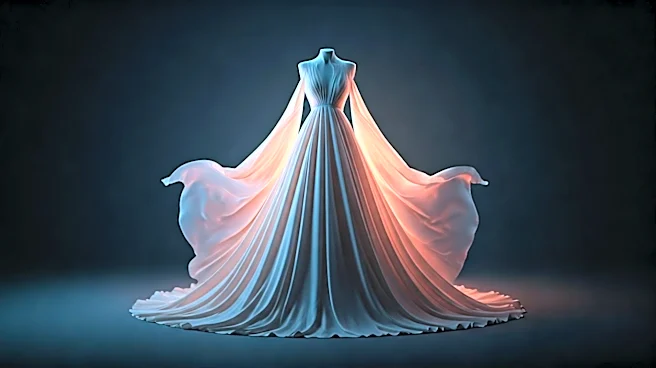
fashion circles. The floating neckline can be an illusion created by transparent materials, a sculptural piece that is carefully cantilevered from a hidden structure, or a garment cut and molded with such precision that it appears to defy gravity. The effect is ethereal and slightly unsettling, framing the wearer's collarbones and face in a way that feels both futuristic and impossibly elegant. It’s a design choice that turns the garment into a piece of sculpture and the wearer into a living work of art.
The Stars of the Shows
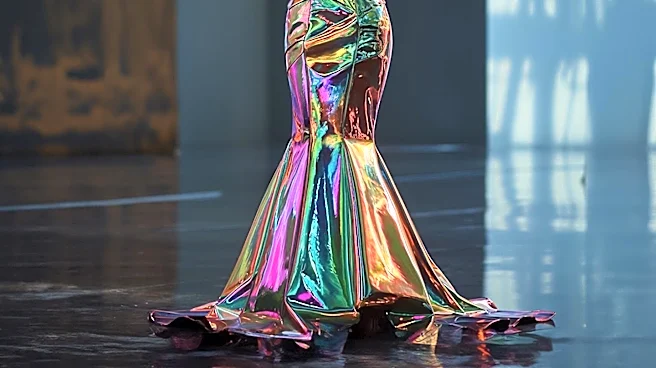
This Fall/Winter 2026-2027 season, the concept was most memorably explored by designers known for pushing boundaries. At Schiaparelli, Daniel Roseberry continued his surrealist explorations with a collection titled “The Abyss.” He used materials like silicone, typically found in cinematic props, to create molded bodices and sculptural forms that seemed to orbit the body. Some pieces had a glossy, skin-like finish, creating an otherworldly effect where the garment began and the body ended was beautifully blurred. Meanwhile, at Iris van Herpen's “Sonic Starquakes” show, technology and romance collided. Van Herpen, a long-time pioneer of tech-infused couture, showcased a dress featuring two curved glass structures filled with luminous plasma that floated around the model, reacting to her electromagnetic field. While not a traditional neckline, it embodied the same spirit of adornment detached from the body, a testament to her vision of fashion as a blend of science and mystery.
A Trick of the Eye with Deeper Meaning
While visually stunning, the floating neckline isn't just a gimmick. It taps into a deeper conversation happening within fashion. For Schiaparelli, it’s a continuation of the house’s surrealist legacy, founded by Elsa Schiaparelli who collaborated with artists like Salvador Dalí. Today, Daniel Roseberry uses these mind-bending silhouettes to explore concepts like the uncanny valley and the merging of the human with the artificial. For a designer like Iris van Herpen, it represents the unseen forces that surround us, translating concepts from astrophysics and biology into wearable art. The trend speaks to a desire for something more than just clothes; it’s about creating an experience and provoking thought. It’s a quiet rebellion against the mundane, a reminder that fashion, at its highest level, is pure fantasy and innovation.
The Allure of the Impossible
Don’t expect to see plasma-filled collars at your local department store anytime soon. The floating neckline is a phenomenon of haute couture, a realm where wearability takes a backseat to artistry. Haute couture is, by definition, an exclusive showcase of what is possible when time, money, and skill are no object. Garments can take hundreds of hours to create by teams of expert artisans, known as “petites mains.” These gravity-defying necklines are a perfect example of that ethos. They are a flex of technical muscle and creative imagination, demonstrating a designer's ability to transform the “ordinary into the extraordinary,” as Roseberry noted. They exist to inspire, to push the boundaries of what we consider a garment to be, and to offer a glimpse into a fantastical future.