







A Historic Moment Needed a Unifying Sound
To understand the power of “Waka Waka,” you have to understand the context of 2010. The FIFA World Cup was being held on African soil for the first time, a monumental event for South Africa and the continent. The world’s gaze was fixed on a nation eager
to showcase its vibrant culture, unity, and progress. This wasn’t just another tournament; it was a celebration of African humanity and resilience. The moment demanded more than a generic pop song; it needed an anthem that could feel both authentically African and globally accessible. The song sampled a 1986 hit called “Zangaléwa” by the Cameroonian group Golden Sounds, a track already beloved across Africa and even in Colombia, where Shakira grew up. This foundation gave “Waka Waka” an immediate layer of cultural resonance that other commissioned anthems often lack.
The Undeniable Power of Shakira
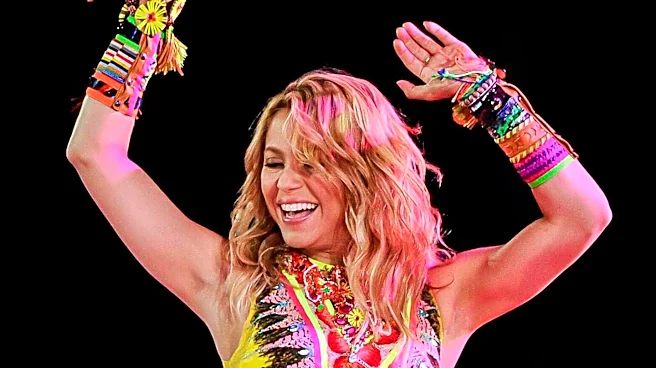
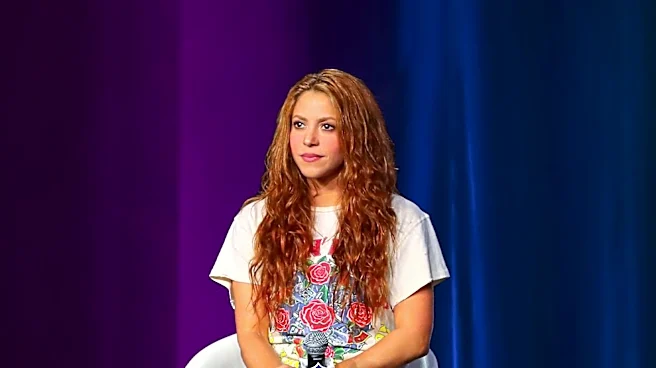
By 2010, Shakira was not just a pop star; she was a global phenomenon. Her music had a unique blend of Latin, pop, and world music influences that made her a perfect bridge between cultures. FIFA's choice of a Colombian superstar for an African tournament initially drew some criticism from South Africans who felt a local artist should have been chosen. However, Shakira's international superstardom ensured the song would get massive airplay and attention. She was a singular, powerful headliner, unlike the ensemble acts of many other World Cup years. This focused star power gave the song a clear identity and a massive promotional boost. Her energetic performances at the opening and closing ceremonies, complete with a memorable dance, created an indelible link between her, the song, and the tournament's joyous atmosphere.
A Perfect Formula for a Global Earworm
Beyond the context and the star power, “Waka Waka (This Time for Africa)” is simply a masterfully crafted anthem. The lyrics are simple, uplifting, and easy for non-English speakers to sing along to. The chorus—a chant of “Waka Waka,” meaning “Do it” in the Cameroonian Fang language—is impossibly catchy. Paired with an energizing Afro-fusion beat and the authentic textures provided by South African band Freshlyground, the song felt both celebratory and inspiring. The accompanying music video was a viral sensation, showcasing a diverse cast of fans, dancers, and soccer legends. It became a symbol of global unity and, with over 3 billion views on YouTube, has far surpassed the reach of nearly any other World Cup song. Its success provided a template that FIFA has tried, and largely failed, to replicate since.
An Anthem That Eclipsed Its Peers
Every World Cup has an official song, but how many can the average person name? While Ricky Martin’s “La Copa de la Vida” set the stage in 1998, “Waka Waka” elevated the concept to a new level. Songs from subsequent tournaments in 2014, 2018, and 2022 have come and gone, making little lasting impression on the mainstream consciousness. Even another popular song from 2010, K'naan's “Wavin' Flag,” which was a Coca-Cola promotional anthem, is often mentally filed away behind Shakira’s hit. “Waka Waka” broke containment; it wasn’t just a song for a soccer tournament but a massive international hit in its own right that embedded itself into global culture. For a generation of fans, its opening beats are a Pavlovian trigger, instantly conjuring memories of vuvuzelas, dramatic goals, and a worldwide celebration in South Africa.