




The Tyranny of Perfect Choice
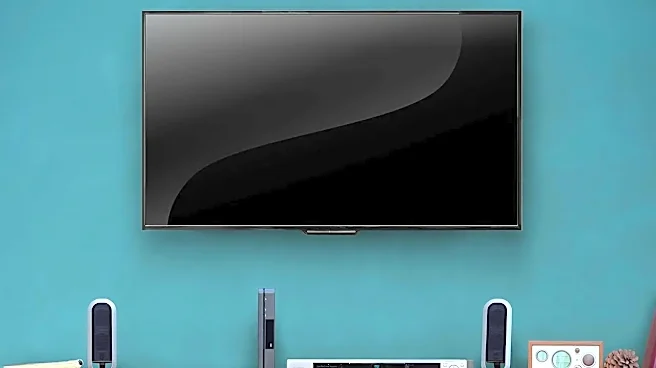
We live in the golden age of television access, but it often feels more like a burden than a blessing. Streaming platforms present us with a near-infinite library, a digital buffet where every option is available, all the time. The result isn't liberation,
but a low-grade paralysis. The pressure to choose the perfect show, to start from season one, episode one, and commit to a 60-hour journey is immense. We spend more time scrolling through thumbnails and reading synopses than actually watching anything. This is the paradox of on-demand culture: when you can watch anything, you sometimes end up watching nothing. The algorithm, designed to serve our tastes, can feel like a cage, recommending things just like what we’ve already seen and creating a feedback loop that discourages genuine discovery. The entire experience is deliberate, optimized, and, frankly, a little sterile.
The Joy of the Mid-Episode Plunge
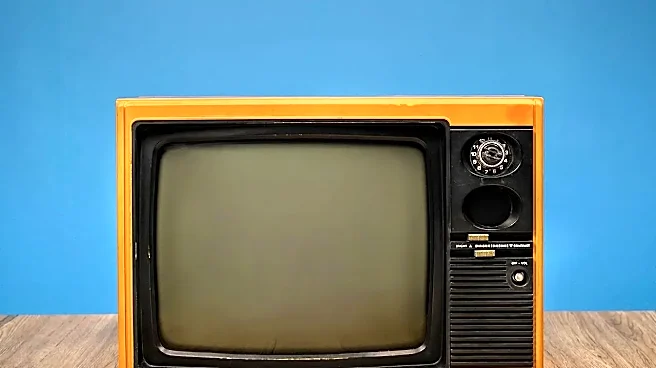
Now, consider the alternative. You pick up the remote for a classic cable box. You start flipping. It's a messy, impatient ritual. You click past a news segment, a commercial for a car you can't afford, a reality show you despise. And then, you land on it. A scene is already playing. Two characters are in a tense standoff. You don't know their names or their history, but the dialogue is sharp, the acting is electric, and you're immediately hooked. This is the magic of stumbling in. You’ve been dropped into the second act of a story and your brain kicks into high gear, piecing together the plot from context clues. Who is the hero? What are the stakes? This active engagement is something streaming rarely asks of us. It’s the difference between being told a story from the beginning and solving a puzzle that’s already in motion. It's a uniquely rewarding experience that makes the story yours in a small but significant way.
Serendipity as a Feature, Not a Bug
The modern tech mindset is built on eliminating friction and unpredictability. Everything is curated, personalized, and seamless. But this relentless optimization has a cost: the death of happy accidents. Channel surfing is the broadcast equivalent of browsing a dusty bookstore with no particular book in mind or letting the radio play a song you’ve never heard. The experience isn't about efficiency; it's about serendipity. In 2026, with cable viewership a fraction of what it once was, this feature is more overlooked than ever. But for the millions who still have it, it remains a powerful, if unintentional, discovery engine. It provides a shared cultural touchstone that algorithms, by their very nature, work to dismantle. An algorithm gives you what it knows you like; channel surfing gives you a chance to discover something you didn't know you would love.
A Small Rebellion Against the Algorithm
Championing the random joy of linear television isn't just about nostalgia for an older technology. It’s a quiet rebellion against the totalizing force of algorithmic culture. In a world where our tastes are constantly being monitored, predicted, and catered to, there's a certain freedom in the chaotic, un-curated timeline of broadcast TV. It’s a reminder that the best cultural experiences aren't always the ones we choose with surgical precision. Sometimes, they're the ones we simply fall into. It’s the comfort of a shared schedule, the communal experience of knowing that thousands of others are watching the same thing at the same time, even if you’re all just channel surfers who landed there by chance. While streaming offers a library, traditional cable—in its clumsy, inefficient glory—offers a stream, and sometimes it's more fun to just jump in.