







The Deconstructed Revolution
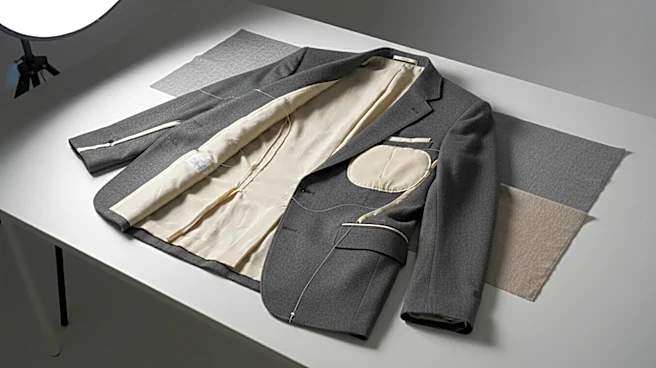
At the heart of Armani's influence is a single, radical idea: the deconstructed jacket. When he founded his label in 1975, menswear was rigid and restrictive. Armani stripped it down, removing the heavy inner linings and shoulder pads that created a stiff,
armored silhouette. The result was a jacket that was fluid, comfortable, and moved with the body. This wasn't just a technical change; it was a philosophical one. By softening menswear, he challenged the traditional, hyper-masculine ideal and introduced a new kind of elegance—one that was relaxed and self-assured, not rigid and intimidating. This “soft power” became the foundation of his aesthetic, a look that conveyed authority through ease.
The Color of Quiet Confidence
Armani’s revolution wasn't just about silhouette; it was also about color. While other designers of the era embraced bold, loud palettes, Armani turned to a spectrum of subtle, neutral tones. He famously coined the term "greige" to describe his signature blend of gray and beige, a color he found to be metropolitan, sober, and natural. This muted palette, which also included soft blues and creams, became a canvas for his exploration of texture and form. By stripping away the distraction of bright color, he focused attention on the cut, the fabric, and the person wearing the clothes. This minimalism was a deliberate rejection of fleeting trends in favor of a timeless, sophisticated style that could be built upon season after season.
Dressing Hollywood and the Working Woman
This new language of style found its perfect voice in Hollywood. The 1980 film American Gigolo was a watershed moment, turning Richard Gere's character, draped in Armani's unstructured suits, into an icon of modern cool. The film catapulted Armani to international fame, making his name synonymous with sleek, understated allure. But his influence wasn't limited to menswear. Armani famously said he wanted to "harden the image of women," and he did so by giving them the power suit. He adapted his relaxed tailoring for womenswear, offering professional women a uniform that was dignified and empowering without being a costume. He was also a pioneer of red-carpet dressing, seeing the potential in celebrity partnerships long before it became standard practice. Actresses like Diane Keaton and Jodie Foster embraced his elegant, often androgynous looks, cementing Armani's status as the designer for a new, more discerning kind of star.
An Enduring Legacy
Decades later, the visual language Armani created is so deeply embedded in our culture that it can be easy to overlook its revolutionary origins. The soft-shouldered blazer, the neutral palette, and the idea of a versatile, elegant wardrobe are now staples of modern style. He didn't just sell clothes; he sold a philosophy of quiet luxury and enduring elegance that has been imitated by countless brands. By creating an aesthetic that was both aspirational and wearable, he democratized sophistication and built a complete lifestyle brand that extended from clothing to fragrances and home interiors. The principles of comfort, simplicity, and authenticity that he championed remain as relevant today as they were when he first reimagined the suit.