





The Awestruck Gaze
Arguably the most famous tool in Spielberg’s kit is a shot that doesn’t even show you the spectacle—it shows you someone *reacting* to it. Often called the “Spielberg Face,” it’s a slow push-in on a character’s face, their eyes wide with terror, wonder,
or disbelief. Think of Dr. Alan Grant in *Jurassic Park*, removing his sunglasses as he sees a living dinosaur for the first time. Or the children in *E.T.*, their mouths agape at their otherworldly visitor. Spielberg understands a fundamental truth of storytelling: our emotional connection isn’t with the monster or the spaceship, but with the people experiencing them. By focusing on the reaction, he transfers that awe directly to us. We see the Brachiosaurus through Grant’s eyes. We feel the wonder of E.T. through Elliott’s. The camera holds on the face, letting the emotion build until the audience is practically begging to see what the character is looking at. It’s a masterclass in emotional transference, making the extraordinary feel personal.
Light as a Main Character
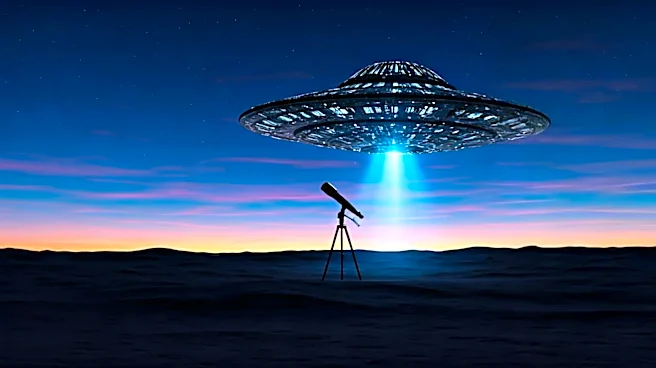
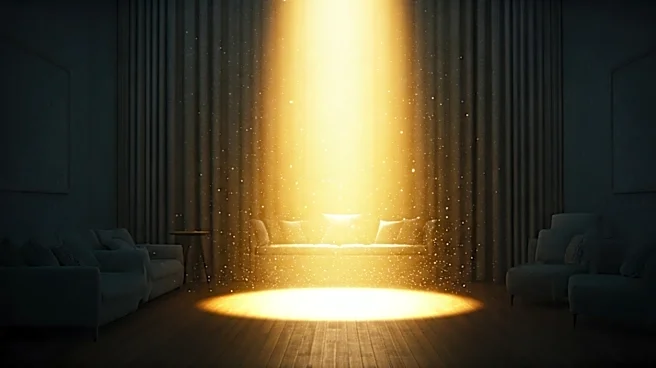
In a Spielberg film, light is rarely just for illumination. It’s an active force, a celestial presence that slices through the ordinary world. He floods rooms with what cinematographers call “God rays”—dramatic, hazy shafts of light pouring through windows, doorways, or clouds. This technique does more than just look pretty; it imbues the scene with a sense of divinity or otherworldly importance. The light from the alien mothership in *Close Encounters of the Third Kind* isn’t just bright; it’s a spiritual force that bathes the characters in its glow. In *E.T.*, the light emanating from the alien’s heart or fingertip is a visual representation of his life force and magic. Spielberg also uses aggressive lens flare—the streaky light artifacts that appear when pointing a camera toward a bright source. Once considered a technical flaw, he wields it to suggest a power so immense it can’t be fully contained by the camera lens, making the cosmic feel immediate and overwhelming.
The Low-Angle Hero
Many of Spielberg’s protagonists are ordinary people—scientists, cops, suburban kids—thrust into extraordinary circumstances. To visually elevate them, he frequently employs the low-angle shot. By placing the camera below a character's eye line and pointing it upward, he makes them appear larger, more powerful, and more significant. It’s a classic technique for creating heroes. When we see Indiana Jones framed against the sky, he looks like a titan of adventure. But the real genius is using this shot for a character like Elliott in *E.T.* He’s just a lonely kid in his bedroom, but by shooting him from a low angle, Spielberg transforms him into a brave protector standing up for his friend. This perspective shift tells the audience, without a word of dialogue, that this person matters. It gives their decisions and their struggles a mythic weight, turning a simple suburban home into an arena for heroism.
The Slow, Drifting Push-In
While the awe-struck gaze is about reaction, a different kind of camera movement is all about realization. Spielberg often uses a subtle, almost imperceptible dolly shot that slowly moves toward a character at a moment of dawning comprehension. It’s not a fast, shocking zoom; it’s a quiet, creeping sense of dread or epiphany. The definitive example is in *Jaws*, as Police Chief Brody sits on the beach. The camera slowly pushes in on his face while the background seems to stretch and distort behind him (a dolly zoom, or “vertigo effect”). He’s putting the pieces together, realizing the shark is in the water with the swimmers. The camera move mirrors his internal thought process, drawing us into his mental space and heightening the tension. It’s a shot that creates deep intimacy, making the audience feel as if they are having the realization right alongside the character, turning a simple thought into a heart-pounding cinematic event.