




More Than a Style, It's a Worldview
Choosing a director-centric marathon is about committing to a specific flavor of fear. You’re not just watching scary movies; you're immersing yourself in a consistent universe. A John Carpenter marathon, for example, is a descent into a world of blue-collar
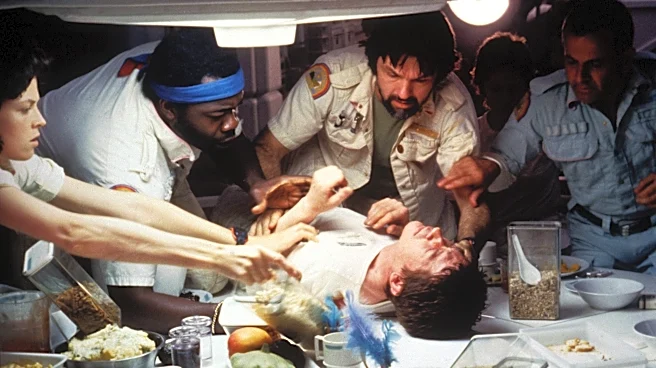
heroes, institutional distrust, and synth-heavy dread. His films, from 'The Thing' to 'They Live', share a cynical but resilient DNA. You know what you’re getting: practical effects, an anti-authoritarian streak, and a palpable sense of encroaching doom that feels uniquely his. Similarly, a David Cronenberg marathon is a multi-film exploration of 'body horror'. You’re signing up for a cerebral, often grotesque, examination of human flesh, technology, and identity. This thematic consistency turns a movie night into a cohesive experience. Fans aren't just jumping between random scares; they’re exploring a singular artistic sensibility from multiple angles, allowing the director’s core anxieties and obsessions to build over several hours.
Tracing the Auteur's Evolution
This practice is rooted in what film buffs call 'auteur theory' — the idea that a director is the primary author of a film, leaving a distinct creative signature across their work. A marathon allows fans to become cinematic archaeologists, tracing a director's growth. Watching Wes Craven's filmography, for instance, reveals a filmmaker constantly dissecting and reinventing the genre. You can see the raw, brutal horror of 'The Last House on the Left' evolve into the surreal dream logic of 'A Nightmare on Elm Street' and ultimately culminate in the meta-commentary of 'Scream'. Each film is in conversation with the last. The marathon format allows viewers to appreciate this evolution in real-time, catching recurring motifs and watching a master hone their craft. It transforms passive viewing into an active, analytical appreciation of the artist's journey.
Curating the Perfect October Vibe
A director marathon is also an act of precise mood curation. The horror genre is incredibly diverse, and latching onto a director allows a fan to dial in the exact emotional experience they want. Are you in the mood for lush, empathetic gothic romance with monsters? A Guillermo del Toro binge, from 'The Devil's Backbone' to 'Pan's Labyrinth', is your ticket. Do you want to marinate in inescapable, sun-drenched dread and complex grief? An Ari Aster double feature of 'Hereditary' and 'Midsommar' will provide that specific, unsettling feeling. By choosing a director, you're choosing a vibe. It's the difference between a playlist of random songs and listening to an album from start to finish. The latter provides a deliberate emotional arc, a curated journey that a random assortment of films simply can't match.
From the Classics to the New Masters
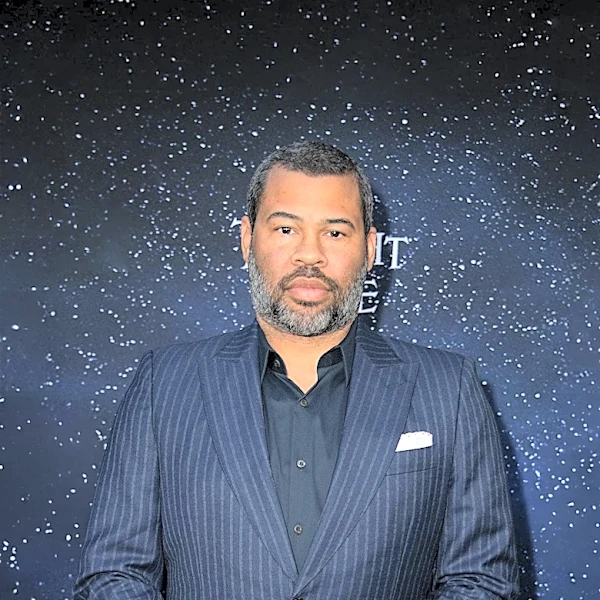
This tradition isn't just for the established masters like Alfred Hitchcock or George A. Romero. A new generation of horror auteurs is inspiring the same level of devotion. A Jordan Peele marathon offers a crash course in modern social horror, where genre tropes are used to dissect issues of race and class in America. Watching 'Get Out', 'Us', and 'Nope' back-to-back reveals a filmmaker building a powerful, consistent thesis on American society. Likewise, directors like Mike Flanagan, with his focus on characterdriven, emotional horror, and Robert Eggers, known for his meticulously researched period nightmares, have cultivated fanbases eager to consume their entire output. It confirms that the directorasbrand is as powerful as ever, giving fans a reliable North Star for navigating the vast landscape of horror cinema.